ang="en">

Saving energy - and lives | Thomson Reuters Foundation
Renewables to the rescue ‌ ‌ ‌ ‌ ‌ ‌ ‌ ‌ ‌ ‌ ‌ ‌ ‌ ‌ ‌ ‌ ‌ ‌ ‌ ‌ ‌ ‌ ‌ ‌ ‌ ‌ ‌ ‌ ‌ ‌ ‌ ‌ ‌ ‌ ‌ ‌ ‌ ‌ ‌ ‌ ‌ ‌ ‌ ‌ ‌ ‌ ‌ ‌ ‌ ‌ ‌ ‌ ‌ ‌ ‌ ‌ ‌ ‌ ‌ ‌ ‌ ‌ ‌ ‌ ‌ ‌ ‌ ‌ ‌ ‌ ‌ ‌ ‌ ‌ ‌ ‌ ‌ ‌ ‌ ‌ ‌ ‌ ‌ ‌ ‌ ‌ ‌ ‌ ‌ ‌ ‌ ‌ ‌ ‌ ‌ ‌ ‌ ‌ ‌ ‌ ‌ ‌ ‌ ‌ ‌ ‌ ‌ ‌ ‌ ‌ ‌ ‌ ‌ ‌ ‌ ‌ ‌ ‌ ‌ ‌ ‌ ‌ ‌ ‌ ‌ ‌ ‌ ‌ ‌ ‌ ‌ ‌ ‌ ‌ ‌ ‌ ‌ ‌ ‌ ‌ ‌ ‌ ‌ ‌ ‌ ‌ ‌ ‌ ‌ ‌ ‌ ‌ ‌ ‌ ‌ ‌ ‌ ‌ ‌ ‌ ‌ ‌ ‌ ‌ ‌ ‌ ‌ ‌ ‌ ‌ ‌ ‌ ‌ ‌ ‌ ‌ ‌ ‌ ‌ ‌ ‌ ‌ ‌ ‌ ‌ ‌ ‌ ‌ ‌ ‌ ‌ ‌ ‌ ‌ ‌ ‌ ‌ ‌ ‌ ‌ ‌ ‌ ‌ ‌ ‌ ‌ ‌ ‌ ‌ ‌ ‌ ‌ ‌ ‌ ‌ ‌ ‌ ‌ ‌ ‌ ‌ ‌ ‌ ‌ ‌ ‌ ‌ ‌ ‌ ‌ ‌ ‌ ‌ ‌ ‌ ‌ ‌ ‌ ‌ ‌ ‌ ‌ ‌ ‌ ‌ ‌ ‌ ‌ ‌ ‌
Renewables to the rescue
View Online | Subscribe now
Powered byThomson Reuters Foundation logo
Context logo

Know better. Do better.

climate

Climate. Change.

News from the ground, in a warming world

By Megan Rowling | Just Transition Editor

Megan Rowling Photo

Living in a hot country can be pretty hellish when the thermometer soars – or even fatal if you don't have effective ways to stay cool.

Here in Barcelona, those who can afford it flee the summer heat for the sea or the mountains, turning the city into a ghost town in August. I've so far resisted putting in air-conditioning and managed to get by (uncomfortably) with a fan and other low-tech heatwave hacks. But I've also lived in Tokyo where the humidity makes it impossible to function in the rainy season without air conditioning.

After the massive 2011 earthquake and tsunami in Japan that knocked out the Fukushima nuclear plant and sparked a shutdown of all nuclear power stations, the government asked citizens to economise on energy use, including by not switching on their air conditioners. That policy led to more than 7,700 deaths each year from 2011-2015, mostly among older people, new research reveals.

"Climate change is already upon us and encouraging less use of air-conditioning or other means of adapting to extreme temperatures can kill people living right now," warns Guojun He, an associate professor at the University of Hong Kong who worked on the study.

Rather than imposing energy austerity, the solution, He says, is for decision-makers to ensure that people have energy-efficient cooling equipment and a plentiful supply of electricity from renewable sources, not fossil fuels.

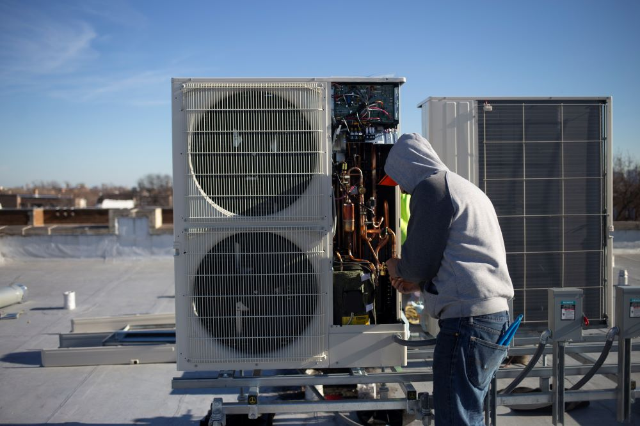
A worker installs a heat pump unit as part of a building electrification project in Chicago in spring 2022. Elevate/Handout via Thomson Reuters Foundation

A worker installs a heat pump unit as part of a building electrification project in Chicago in spring 2022. Elevate/Handout via Thomson Reuters Foundation

Home sweet home?

In all parts of our warming world, ordinary folk are facing tougher choices about the energy they use - whether for cooling, heating, cooking or lighting.

Sometimes it comes down to cost, as fossil-fuel price spikes have pushed up bills, and sometimes it's about health, as seen in the debate raging over indoor pollution and gas stoves in the United States. In many places, governments are also looking to cut their planet-heating emissions.

Whatever the motivation, U.S. cities from Chicago to Denver are working to electrify more buildings (which account for 10% of all U.S. emissions), with new federal money expected to start flowing to their efforts in the coming months, reports our correspondent Carey L. Biron.

But they are running up against challenges, with concerns - also heard in Europe - over whether poorer people, especially renters, will get left out as tax and other incentives are captured by the wealthy. A lack of skilled installers is also slamming the brakes on efforts to expand cleaner alternatives like heat pumps.

"The massive cost of complying with electrification mandates raises legitimate concerns about the amount of housing that can be built and maintained affordably,” warns Alex Rossello, who works for the Apartment and Office Building Association of Metropolitan Washington lobby group.

A child camel herder holds a container of fresh camel's milk in the Grandhi village of Rajasthan, India January 14, 2023. Desert Resource Centre/Handout Via Thomson Reuters Foundation

A child camel herder holds a container of fresh camel's milk in the Grandhi village of Rajasthan, India January 14, 2023. Desert Resource Centre/Handout Via Thomson Reuters Foundation

Land of milk and sugar

In rural parts of India, meanwhile, rising heat is causing other problems - from turning camel milk sour to causing dangerous working conditions on sugarcane plantations.

Droughts followed by floods are denting sugarcane yields and profits in Maharashtra state, pushing labourers to cut cane for up to 14 hours a day after abandoning their own farms due to erratic weather and then struggling to pay back debts to contractors who got them the back-breaking plantation jobs.

But it's a different story for camel herders in western India's Thar Desert, where renewable energy in the form of solar-powered chillers is keeping their milk fresh so it can be sold to a local dairy - and preserving their incomes and way of life too.

"There was a time when we had lost hope on maintaining our camels - but today they are uniting our families and holding back our youths from migrating out," says one herder in Nokh village.

See you next week,

Megan

This week's top picks

Custodians of Mexico's indigenous forests confront climate change

As they face drought and pests, Oaxaca's indigenous peoples say community forest ownership and management remains crucial

Malaysia lags on renewable energy, threatening climate goals

Malaysia is falling behind in Southeast Asia's green energy push and needs incentives for large-scale solar projects, experts say

Can Pakistan break cycle of destruction in flood rebuilding?

From building waterways to crop insurance, Pakistan urged to implement a holistic climate resilience plan to stem future disasters

Agroecology is the future for Africa’s farming youth

Bringing more young Africans into farming is crucial – but industrial agriculture is not the answer for the continent

How does climate change threaten global food production?

As the planet heats, food security is weakening and the threat of hunger is growing

Why wetlands are so important for both nature and climate

World Wetlands Day reminds us how ecosystems like peatlands, mangroves and salt marshes are crucial to nature and the climate crisis

 
Read all of our coverage here

Editor's pick

Podcast

The Pacific island nation changing the loss and damage debate

As fossil fuel use contributes to more frequent and more devastating climate disasters, Vanuatu is going to the world’s highest court to help decide the issue: do polluting countries have an obligation to help those impacted by climate change?

Discover more

Thank you for reading!

If you like this newsletter, please forward to a friend or share it on social media.

We value your feedback - let us know what you think.