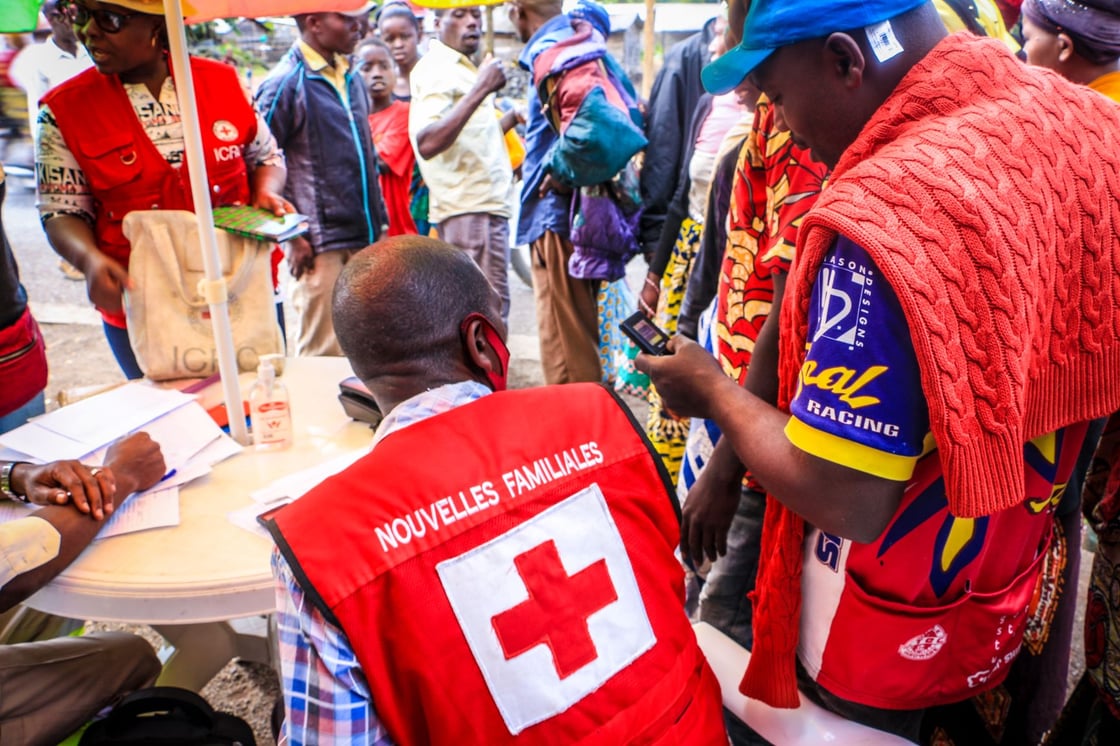
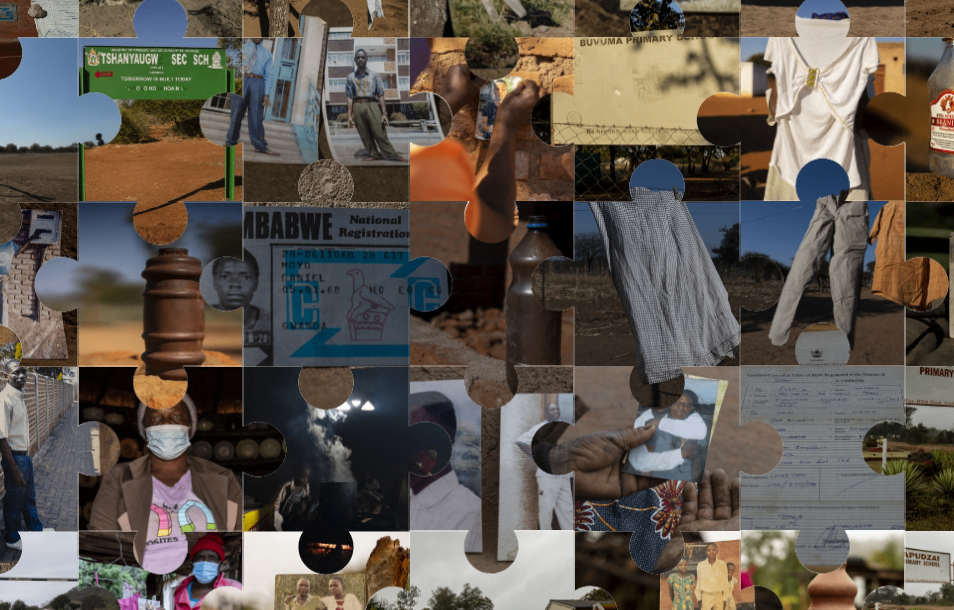
Since the beginning of the year, the ICRC has recorded several hundred cases of children losing contact with their families because of conflict and violence, mostly in the eastern Democratic Republic of the Congo (DRC). In the past six months alone, nearly 200 children from the DRC have been reconnected with their families. Between 2017 and 2021, more than 2,500 children were returned to their loved ones.
“Reuniting families separated by armed conflict and violence is a core part of the ICRC’s mandate. This work takes considerable time, but it is absolutely essential and invaluable, allowing us to provide answers to people living in anguish,” added Florence Anselmo, head of the ICRC’s Central Tracing Agency.
We unite families separated by armed conflict. Because no family deserves to be split apart by conflict.
Every year, armed conflicts and other situations of violence, natural disasters and migration split up countless families. People suffer terribly when they lose contact with their loved ones and don't know where they are or whether they are safe or even alive.
The anguish and uncertainty of not knowing the fate and whereabouts of loved ones, while struggling with a multitude of practical consequences, can have a tremendous impact on those left behind. Along with the terrible pain that only grows as years go by without answers, the journey to find missing loved ones can bring numerous psycho-social, administrative, legal and economic difficulties.
We are entrusted by the Geneva Conventions as a neutral intermediary to assist parties and remedy family separation and disappearance in armed conflicts.
We locate people separated by armed conflict. Because no one deserves to be away from their loved ones because of conflict.
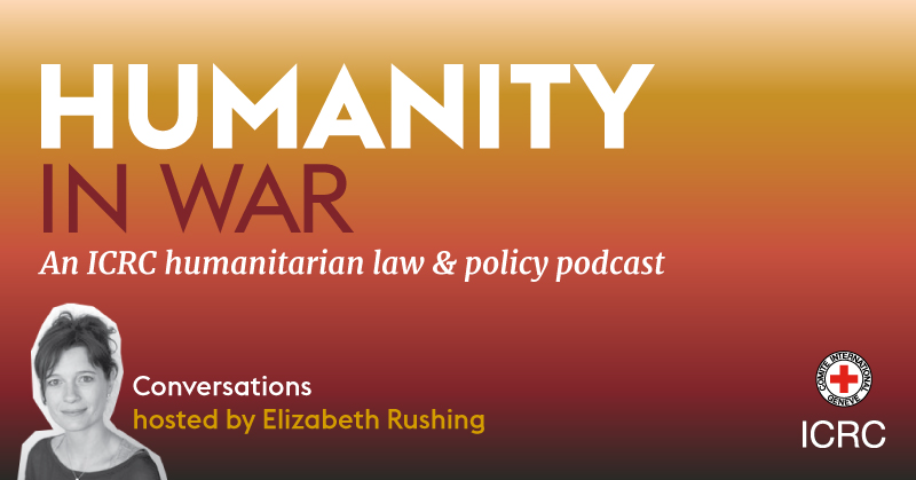
“Humanity in War” – A new ICRC humanitarian law & policy podcast, hosted by Elizabeth Rushing
“In 1956, John Pictet wrote, ‘The principle of humanity stands out on its own in the doctrine of the Red Cross, and all other principles hang from it.’ This has been our North Star for the creation of a new podcast on the International Committee of the Red Cross.” This is how the new ICRC podcast is introduced by Elizabeth “Lizzie” Rushing, the Editor of ICRC’s Humanitarian Law and Policy Blog.
Lizzie and her producer Stephanie Xu follow through on that promise in each episode. From exploring how humanitarian values can survive an era of counterterrorism to laying out poignantly how armed conflict exacerbates pre-existing gender inequalities in societies, every aspect of this podcast sheds light on a different, cutting-edge topic.
With remarkable guests, including the likes of Harvard Professors Naz Modirzadeh and Dustin Lewis, academic human rights lawyer and professor Fionnouala Ni Aolain, and the ICRC’s own Helen Durham, Lizzie explores difficult topics with grace and curiosity.
She brings out the essence of the varied discussions by answering one of mankind’s greatest questions: How can we bring humanity to war?