Register now for our event next week
Click here if you are having trouble viewing this message.

 ​
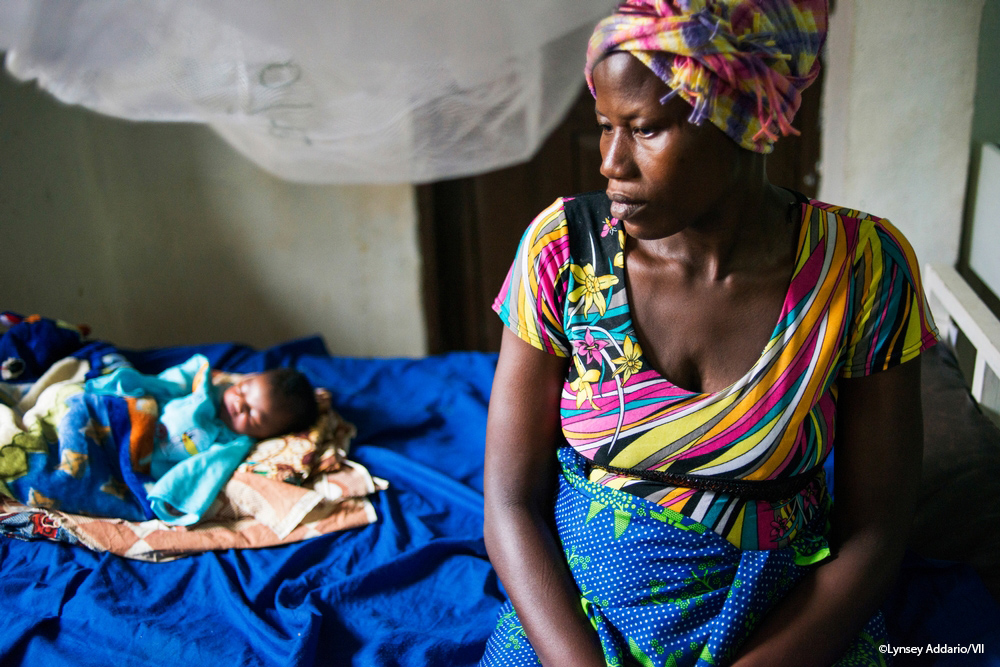
After Ebola: Lessons Learned in Sierra Leone

 
Tuesday, October 15 from 7:00–8:30 PM (EDT)

When the Ebola outbreak hit Sierra Leone in 2014, the country was still struggling to recover from the impact of civil war. Rates of maternal, infant, and child mortality were already among the highest in the world. The largest ever Ebola epidemic wreaked havoc across West Africa and crushed Sierra Leone’s already weak health system.
 
LIVE ONLINE WEBCAST
 
Tuesday, October 15
7:00 PM (EDT)
 
An estimated 3,956 people died of Ebola in Sierra Leone, including some 79 health workers at the forefront of the response. Many others died because they could not get access to medical care.
 
Today, an Ebola outbreak grinds on in the eastern Democratic Republic of Congo. Its trajectory and duration remain uncertain, let alone all the lessons to be gleaned. But the Sierra Leone experience provides unique insights. Join a panel of medical experts from Doctors Without Borders/Médecins Sans Frontières (MSF) and Columbia University for a discussion about the impact of a major public health crisis on fragile health care systems, with a focus on women’s health. We’ll discuss lessons learned by MSF during the outbreak in Sierra Leone and what the country’s health system looks like now.
 
Panelists include Dr. Susan Michaels-Strasser, senior implementation director/associate director for nursing programs for ICAP, and assistant professor for Columbia University's Mailman School of Public Health; Dr. Séverine Caluwaerts, MSF obstetrician-gynecologist and author; Dr. Gillian Burkhardt, MSF obstetrician-gynecologist and author; and Ella Watson-Stryker, MSF health promotion activities manager, and humanitarian representative for MSF-USA. Dr. Craig Spencer, MSF-USA board of directors member, and director of Global Health in Emergency Medicine/assistant professor of medicine and population and family health at Columbia University will moderate the panel.

At the time of the event, tune in to our webcast here.
 
 ​
Follow our fall webcast series.

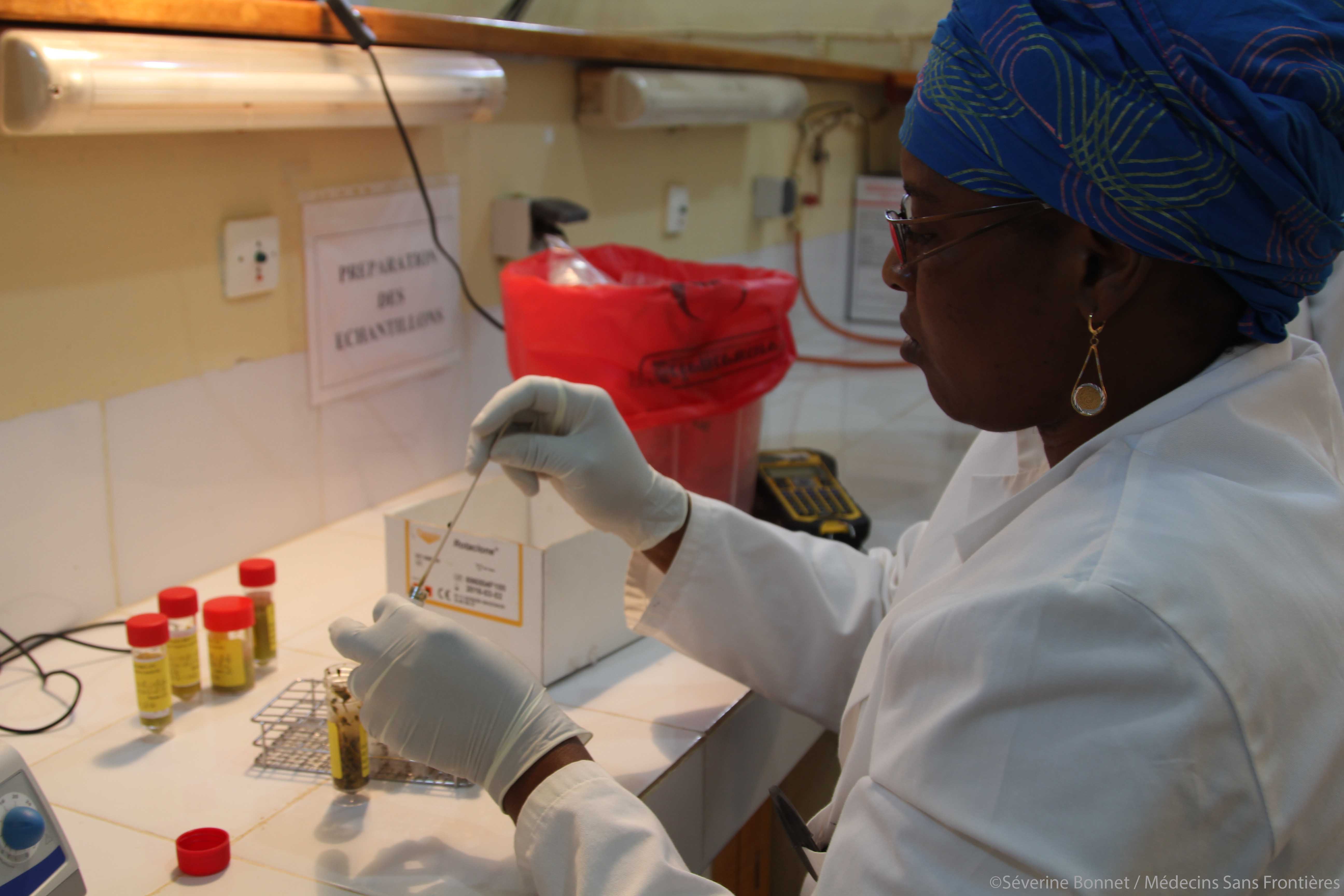
Science With Global Impact: Medical Research at MSF
Webcast concluded.
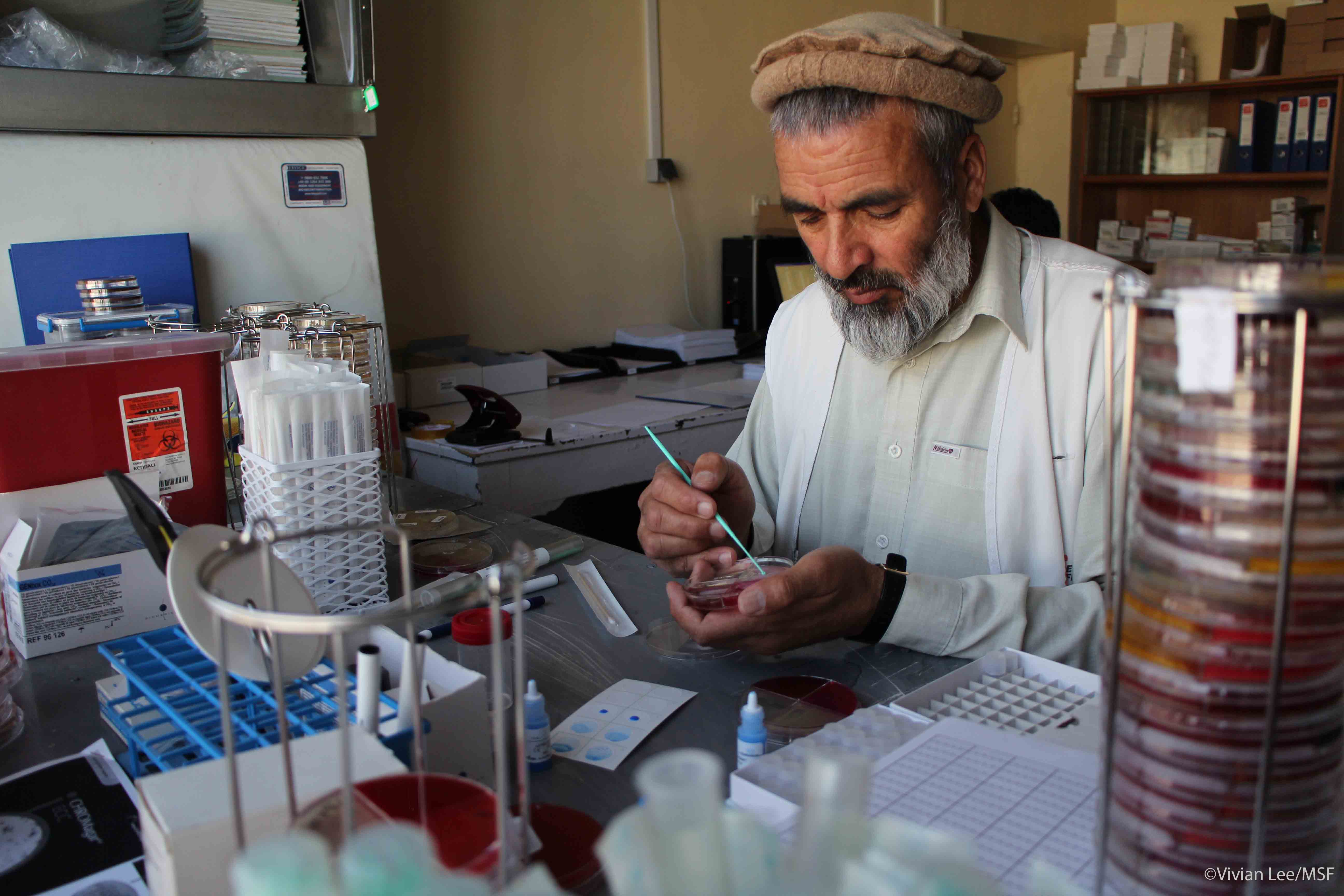
How MSF is Fighting Antibiotic Resistance

Wednesday, Nov. 20
1:00 PM (EDT)
Survival: Medical Aid for Refugees and Migrants Trapped in Danger
Tuesday, Dec. 17
Time TBA
Get Involved Donate

Field Partners give monthly to help us respond immediately to more emergencies.

Please join today.

Stay connected.
 
                   
This email was sent from the U.S. section of Doctors Without Borders/Médecins Sans Frontières (MSF), an international independent medical humanitarian organization that delivers emergency aid to people affected by armed conflict, epidemics, natural and man-made disasters, and exclusion from health care.
 
You are receiving this message because [email protected] is subscribed to the EVENTS list.
 
Update your subscription preferences or unsubscribe
 
Please do not email any credit card information to Doctors Without Borders as it is not a secure payment method. If you wish to make a donation, please click here.

40 Rector Street, 16th Floor, New York, NY 10006 | Phone: 212-679-6800
Make a donation: Toll-free at 1-888-392-0392 7 days a week