No longer interested? Unsubscribe |
|
|
WHY MOST DARK SPOT TREATMENTS FAIL
|
|
|
| | If you’ve noticed stubborn dark spots, age patches, or uneven skin tone — whether on your face, hands, or neck — you know how frustrating they can be.
They don’t just fade on their own… and in many cases, they seem to get more noticeable as time goes by. | 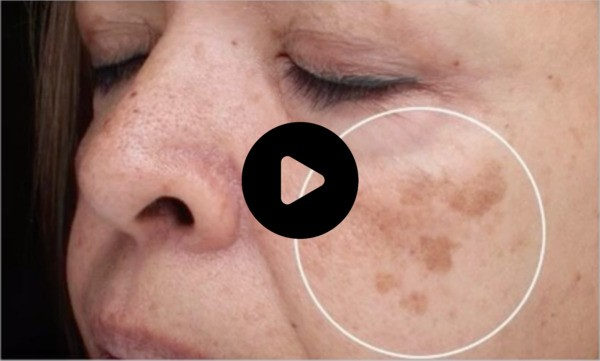 | | Sure, there are plenty of products claiming to make them disappear — but many use harsh bleaching agents that can irritate and damage your skin over time.
After treating countless patients dealing with skin concerns, a leading skin health expert developed a completely different approach — one that doesn’t rely on bleach or abrasive chemicals.
Instead, this simple, at-home method is designed to help support a smoother, more even-looking complexion. | | | | Thousands have already tried it — and the before-and-after results speak for themselves.* | | *All individuals are unique. Results can and will vary. | | | | | If you no longer wish to get these emails, you can unsubscribe by clicking here. | |
|
|
Growing Up in a Low-Income Family Was Linked to More Artery Plaque Decades Later A Swedish study of 15,640 adults aged 50 to 64 found those from the lowest-income childhood households had higher odds of significant coronary plaque on CT scans. | | | The Capital Brief | October 12 | | | Heart Health Edition | | Growing Up in a Low-Income Family Was Linked to More Artery Plaque Decades Later | | | | Heart disease is usually discussed in terms of adult habits such as diet, smoking and exercise. A Swedish study suggests the roots may reach back to childhood circumstances. Researchers at Karolinska Institutet published the study in the Journal of the American Heart Association on October 7. They analyzed 15,640 adults aged 50 to 64 in the Swedish CArdioPulmonary bioImage Study, known as SCAPIS, and linked them to their families' incomes when they were 10 to 12 years old. Participants had CT scans of the arteries supplying the heart, which can show plaque, the buildup that narrows arteries and can lead to heart attacks. According to the researchers, people who grew up in the lowest-income households had about 43% higher odds of moderate to severe coronary plaque than those from the highest-income households. After accounting for adult lifestyle, adult socioeconomic circumstances and established risk factors, the odds were still about 31% higher. This was an observational study. It shows an association between childhood income and plaque found on scans, not that childhood poverty directly causes heart disease, and it measured plaque rather than heart attacks. The useful idea is that cardiovascular risk may accumulate across a lifetime, beginning well before adulthood. This edition explores the evidence, not individual medical advice. Heart health questions are best discussed with a clinician. | | 01 | What coronary plaque is | | | Atherosclerosis is the buildup of fat, cholesterol and other material in artery walls. In the coronary arteries, plaque can narrow the vessels that supply the heart. Plaque can rupture and trigger a heart attack. It develops slowly over decades, often without symptoms. CT scans of the coronary arteries can detect and grade plaque. Plaque on a scan is a marker of risk, not a heart attack itself. Many risk factors for plaque are well known, including high cholesterol, high blood pressure, smoking and diabetes. | | 02 | How the study was designed | | | SCAPIS is a large Swedish population study that has scanned the hearts and lungs of middle-aged adults. Researchers linked participants to registry data on their parents' income when they were 10 to 12 years old. They compared people from the lowest- and highest-income childhood households. The main outcome was moderate to severe coronary atherosclerosis on CT scans about 50 years later. The first analysis accounted for age, sex and other basic factors. A second analysis also accounted for adult lifestyle, adult socioeconomic circumstances and established risk factors. Full methods and confidence intervals are in the published paper. | | | | People from the lowest-income childhood households had about 43% higher odds of moderate to severe coronary plaque in the first analysis. After accounting for adult factors, the odds were still about 31% higher. That suggests adult circumstances explain part, but not all, of the association. The findings refer to odds of plaque on scans, not to heart attack or death rates. Lead researcher Per Svensson said early-life socioeconomic circumstances have an impact on cardiovascular health. He said the link likely reflects a lifelong accumulation of risk factors not fully captured by adult data. Absolute rates of plaque by income group are reported in the full paper. | | 04 | Why childhood might matter | | | The researchers suggested several possible explanations, which need further study. Children in low-income households may face more stress, which can affect inflammation and the cardiovascular system. Childhood overweight and diet can influence long-term metabolic health. Access to health care, healthy food and safe places for activity may differ by income. Early exposures may set patterns that persist into adulthood. The study could not identify which of these factors matter most. Mechanisms remain plausible but unproven. | | 05 | Context and generalizability | | | Sweden has universal health care and a strong social safety net. That such an association appears there suggests childhood circumstances matter even with broad access to care. Results may differ in countries with different health and social systems. Childhood income was measured once, which may not capture changes over time. Socioeconomic differences in heart disease are well documented in many countries. This study adds evidence that some of the gap may begin in childhood. Prevention efforts may need to start early. | | | | The study was observational and cannot prove that childhood income causes plaque. Unmeasured factors may explain part of the association. Childhood income was measured at one point in time. Results apply to Swedish adults aged 50 to 64. The outcome was plaque on scans, not heart attacks or deaths. These figures come from the researchers' summary; confidence intervals and full details are in the published paper. The study was funded in part by the Swedish Heart-Lung Foundation. | | | | Adults can know their cholesterol, blood pressure and blood sugar numbers and discuss heart risk with a clinician. Sharing family and early-life history with a clinician can add context to risk assessment. Not smoking, regular physical activity and a heart-healthy diet reduce cardiovascular risk at any age. Parents and caregivers can support children's activity, nutrition and sleep where possible. Community programs for healthy food and safe recreation can help families with limited resources. Stress management and social support benefit both children and adults. Heart health can improve at any age, regardless of where life started. | | 08 | The long view on heart health | | | Heart disease develops over a lifetime, and risk may begin long before the first symptoms. This study suggests childhood economic circumstances are associated with artery plaque decades later. For individuals, practical questions include: What are my risk factors today? What do I know about my early life? What changes can I make now? For clinicians, early-life circumstances may add context to cardiovascular risk. For policymakers, the findings add to the case for supporting children's health early. The long-view idea is that the health of adults is shaped in childhood. Prevention is a lifelong project. | | | | The Takeaway | | 1 | In 15,640 Swedish adults aged 50 to 64, growing up in the lowest-income households was associated with about 43% higher odds of significant coronary plaque. | | 2 | After accounting for adult lifestyle, circumstances and risk factors, the odds were still about 31% higher. | | 3 | The outcome was plaque on CT scans, not heart attacks. | | 4 | The study was observational, and mechanisms remain uncertain. | | 5 | The findings support early-life prevention, not a prediction for any individual. | | | Stay patient, stay curious,
T.C. Brown
Editor, True Capital Talk | | | | Sources & Further Reading | | | | For educational and informational purposes only. Nothing here is a diagnosis, treatment plan, or individualized medical advice. Talk to a qualified clinician about heart health and cardiovascular risk. | | |
|
|
This message was delivered by True Capital Talk (TCT), a brand of TerraTrance Technologies, LLC.
Need assistance or have a question? Simply reply to this email or reach us at [email protected] All content in this email, including text and images, is the property of TerraTrance Technologies, LLC and may not be copied, redistributed, or shared without prior written permission.
© 2026 True Capital Talk (TCT). All Rights Reserved.
200 Broadway Blvd NE, Albuquerque, NM 87102
You may unsubscribe at any time if these emails are no longer useful to you.
|
|
|
|