No longer interested? Unsubscribe |
|
|
HARVARD: THIS DAILY BATHROOM HABIT MAKES UTIS 5X WORSE
|
|
|
| According to Harvard researchers and urologist Dr. Evelyn Hart, there's one "health food" women with UTIs should NEVER consume. This food destroys your vaginal pH and feeds the exact bacteria that causes infections. It's why some women get UTI after UTI while others never get them at all. Dr. Hart discovered this after her mother religiously consumed this food for 18 months - then lost both hands to UTI complications. Do you know which food we're talking about? Make sure you do by clicking the one below you think it is, and get the answer from Dr. Hart herself on the next page: | >> Cranberry juice
>> Greek yogurt
>> Kombucha
>> Diet Drinks | 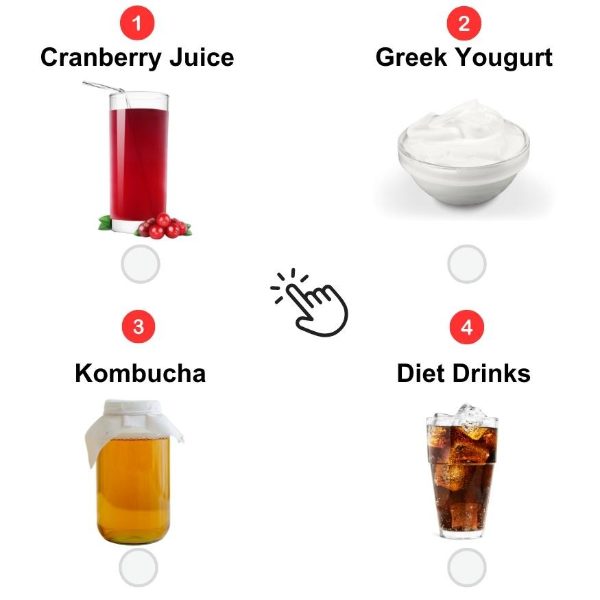 | Click above to make your guess, or click HERE to reveal the answer. P.S. 77% of women consume this "healthy" food thinking it prevents UTIs. In reality, Harvard proved it makes you 5X more likely to get another infection. Dr. Hart reveals why - plus the 3 foods that actually work. | | | | | If you'd rather not receive these emails, you can unsubscribe here. | |
|
|
HPV Vaccination Before Pregnancy Was Linked to Slightly Fewer Preterm Births A Swedish study of 624,713 first births found modestly lower odds of preterm birth among women vaccinated against HPV before pregnancy, especially those vaccinated young. | | | The Capital Brief | October 09 | | | Women's Health Edition | | HPV Vaccination Before Pregnancy Was Linked to Slightly Fewer Preterm Births | | | | The HPV vaccine is best known for preventing cervical cancer. A large Swedish study asks whether it might also be linked to healthier pregnancies years later. Researchers at Karolinska Institutet published the study in The BMJ on October 7. Using national registers, they analyzed 624,713 singleton births to first-time mothers aged 16 to 35 in Sweden from 2006 to 2023. Of these mothers, 92,620 had received at least one dose of the quadrivalent HPV vaccine before conception. Human papillomavirus is a common infection that can cause cervical changes. Treatments for precancerous cervical lesions can remove part of the cervix, which is known to raise the risk of preterm birth. After adjustment, vaccinated women had about 5% lower odds of preterm birth and about 15% lower odds of very preterm birth. The association was strongest among women vaccinated before age 17. This was an observational case-control study, not a randomized trial. Women who chose vaccination may differ in ways the data could not fully capture, and the absolute benefit per woman was small. The useful idea is that preventing an infection early in life may have benefits that reach well beyond its original target. This edition explores the evidence, not a vaccination or pregnancy plan. Individual decisions belong with a clinician. | | 01 | What the HPV vaccine does | | | HPV vaccines protect against the virus types most likely to cause cervical and several other cancers. They work best when given before any exposure to the virus, which is why they are recommended in early adolescence. In the United States, routine vaccination is recommended at ages 11 to 12 and can start at 9. Two doses are given when vaccination starts before 15; three doses are recommended for ages 15 to 26. Sweden used the quadrivalent vaccine during the study period; the US now uses a 9-valent vaccine. Cancer prevention remains the vaccine's established purpose. Possible pregnancy benefits are a newer, secondary question. | | 02 | How the study was designed | | | Researchers used Swedish national registers covering births from 2006 to 2023. They compared women with adverse pregnancy outcomes, the cases, with up to 10 matched women without them, the controls. Matching was based on maternal age and calendar year of conception. Analyses adjusted for factors such as smoking, body mass index, maternal diagnoses, assisted reproduction, country of birth, income and education. A separate full-cohort analysis produced consistent results. Only first births of single babies were included. About 14.8% of mothers had been vaccinated before conception. | | | | Vaccinated women had an adjusted odds ratio for preterm birth, before 37 weeks, of 0.95, or about 5% lower odds. For very preterm birth, between 28 and 32 weeks, the adjusted odds ratio was 0.85, or about 15% lower. Spontaneous preterm birth showed a similar 5% reduction. The odds of a baby being severely small for gestational age were about 8% lower. Unadjusted analyses also showed lower odds of stillbirth and extremely preterm birth, though adjusted figures for those were not reported in the summary available. Women vaccinated before age 17 had about 10% lower odds of preterm birth. For women vaccinated at 17 or older, the preterm birth association was not significant. | | 04 | Why vaccination might matter | | | The authors proposed several possible explanations, described as exploratory. HPV infection has been linked to effects on the placenta, so preventing infection could matter directly. Vaccination reduces precancerous cervical lesions, which can lead to excisional treatments. Those treatments roughly double the risk of spontaneous preterm birth. When researchers accounted for high-grade cervical lesions, the preterm birth association weakened. That pattern supports the idea that fewer cervical treatments explain part of the link. Earlier vaccination, before likely exposure, fits with the stronger results in younger vaccinees. | | 05 | Small effects, large populations | | | The reductions were modest in relative terms. The number of women who would need to be vaccinated to prevent one adverse outcome ranged from about 451 to more than 24,000, depending on the outcome. That means the benefit for any single woman is small. Across a population, small reductions can still mean fewer preterm births. Preterm birth affects about 1 in 10 US births and is a leading cause of infant illness and death. Even modest reductions in common outcomes can matter for public health. The main reason for HPV vaccination remains cancer prevention. | | | | The study was observational and cannot prove that vaccination caused the lower risks. Women who got vaccinated may differ in health behaviors, sexual history or prior HPV exposure. The researchers lacked data on HPV infection or cervical treatment after vaccination. Miscarriages before 22 weeks were not captured. The study had limited power to assess stillbirth and newborn deaths. Results may not apply to countries with different HPV prevalence, vaccine coverage or obstetric care. The vaccine used in Sweden differs from the one now used in the US. | | | | Parents can ask a pediatrician about HPV vaccination at the recommended ages. Young adults through age 26 who were not vaccinated can ask about catch-up doses. Adults aged 27 to 45 may discuss vaccination with a clinician based on their situation. Regular cervical screening remains important for vaccinated and unvaccinated people. Before pregnancy, a preconception visit can review vaccinations and cervical health history. People who have had cervical excision procedures can tell their obstetric provider. Vaccination is not recommended during pregnancy, so timing matters. | | 08 | The long view on prevention | | | Vaccines are evaluated mainly on the diseases they target, but their effects can extend further. This study suggests that HPV vaccination may be linked to slightly healthier pregnancies, especially when given early. For families, practical questions include: Is my child up to date on HPV vaccination? Do I need catch-up doses? What does my cervical screening history mean for future pregnancies? For health systems, the findings add to the case for vaccinating early. For researchers, studies of the 9-valent vaccine and other populations would help. The long-view idea is that prevention in adolescence can echo into adulthood. Some benefits arrive years after the shot. | | | | The Takeaway | | 1 | In a Swedish study of 624,713 first births, HPV vaccination before pregnancy was associated with about 5% lower odds of preterm birth and 15% lower odds of very preterm birth. | | 2 | The associations were strongest among women vaccinated before age 17. | | 3 | Fewer cervical treatments may explain part of the link, though this was exploratory. | | 4 | The study was observational, and the absolute benefit per woman was small. | | 5 | The findings support HPV vaccination's broader value but are not a causal promise or an individual plan. | | | Stay patient, stay curious,
T.C. Brown
Editor, True Capital Talk | | | | Sources & Further Reading | | | | For educational and informational purposes only. Nothing here is a diagnosis, vaccination plan, or individualized medical advice. Talk to a qualified clinician about vaccination, cervical screening and pregnancy planning. | | |
|
|
This message was delivered by True Capital Talk (TCT), a brand of TerraTrance Technologies, LLC.
Need assistance or have a question? Simply reply to this email or reach us at [email protected] All content in this email, including text and images, is the property of TerraTrance Technologies, LLC and may not be copied, redistributed, or shared without prior written permission.
© 2026 True Capital Talk (TCT). All Rights Reserved.
200 Broadway Blvd NE, Albuquerque, NM 87102
You may unsubscribe at any time if these emails are no longer useful to you.
|
|
|
|