|
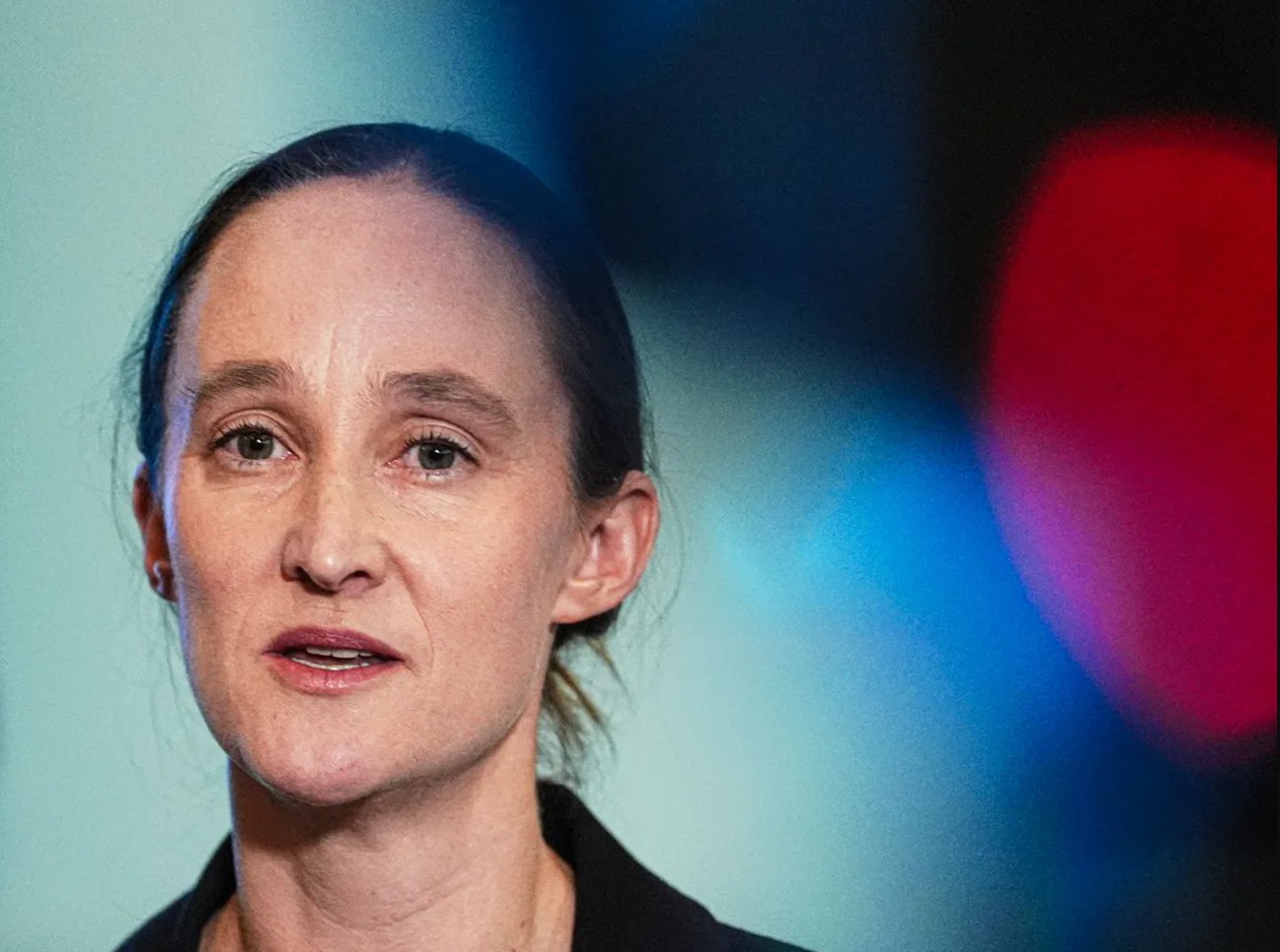
On January 2nd, surrounded by supporters with yellow “This is Your City” posters, Mayor-elect Katie Wilson told the crowd assembled for her inauguration at Seattle City Hall that they have “a right to be here and to live a dignified life, whatever your background and whatever your income.” Governing well, she said, would mean focusing on both bread and roses: better material circumstances and basic respect.
Elected by just a 2,011-vote margin in November, Wilson was best known as the co-founder of the Transit Riders Union, a local progressive organizing group. She is also an open socialist. In advance of last year’s election, incumbent mayor Bruce Harrell used predictable attack lines against Wilson, calling her inexperienced and her platform “complaints with no solutions.” Despite her victory, proving Harrell wrong will be a tall task.
Seattle may be one of the most left-leaning cities in the country, but the city council currently lacks a progressive majority and the state legislature is reluctant to approve new taxes, like the income tax Wilson said she would consider. Even vocal supporters who’d known her for years began criticizing Wilson from the left over her turning on surveillance cameras during the World Cup. And business-backed polling suggests other, more conservative city residents believe Wilson isn’t taking public safety seriously enough, especially after she ousted the city’s police chief in July.
Wilson can also point to some victories. Thanks in large part to her influence, Seattle’s city council recently approved both a universal free school lunch program and a ban on the “junk fees” landlords use to squeeze money out of renters. Larger changes to the city’s public transit system and housing market are in the works.
“Being a progressive left mayor has its challenges, and I think there’s definitely some actors out there who would rather score points and try to undermine a progressive left administration than actually work together for the good of the city,” Mayor Wilson told the Prospect almost eight months after her inauguration. “But I’m really proud of the work that we’re doing.”
The work has really only begun. Wilson must handle a multiyear budget deficit in the hundreds of millions and keep together an increasingly fractious coalition, while overseeing meaningful “sewer socialist” reforms to housing and public transit. And the clock is ticking on her opportunities.
Seattle hasn’t re-elected a mayor since 2005. If Wilson remains popular, being able to credibly back primaries from the left could give her a leg up at the bargaining table. But the most recent poll, funded by the local Chamber of Commerce, found only 37 percent of city residents approve of her performance so far. If public opinion continues to sour, Wilson’s dreams of a $1 billion social housing bond will remain out of reach. |