| —— Keep Over Trading —— |
| Trump Allegedly Conducting Hidden Negotiations With Houthis While Distancing From Saudi Arabia's MBS, Reports Say |
| Sep 20, 2026 |
 |
Trump Confirms U.S. Dialogue with Houthis Over Military Operations |
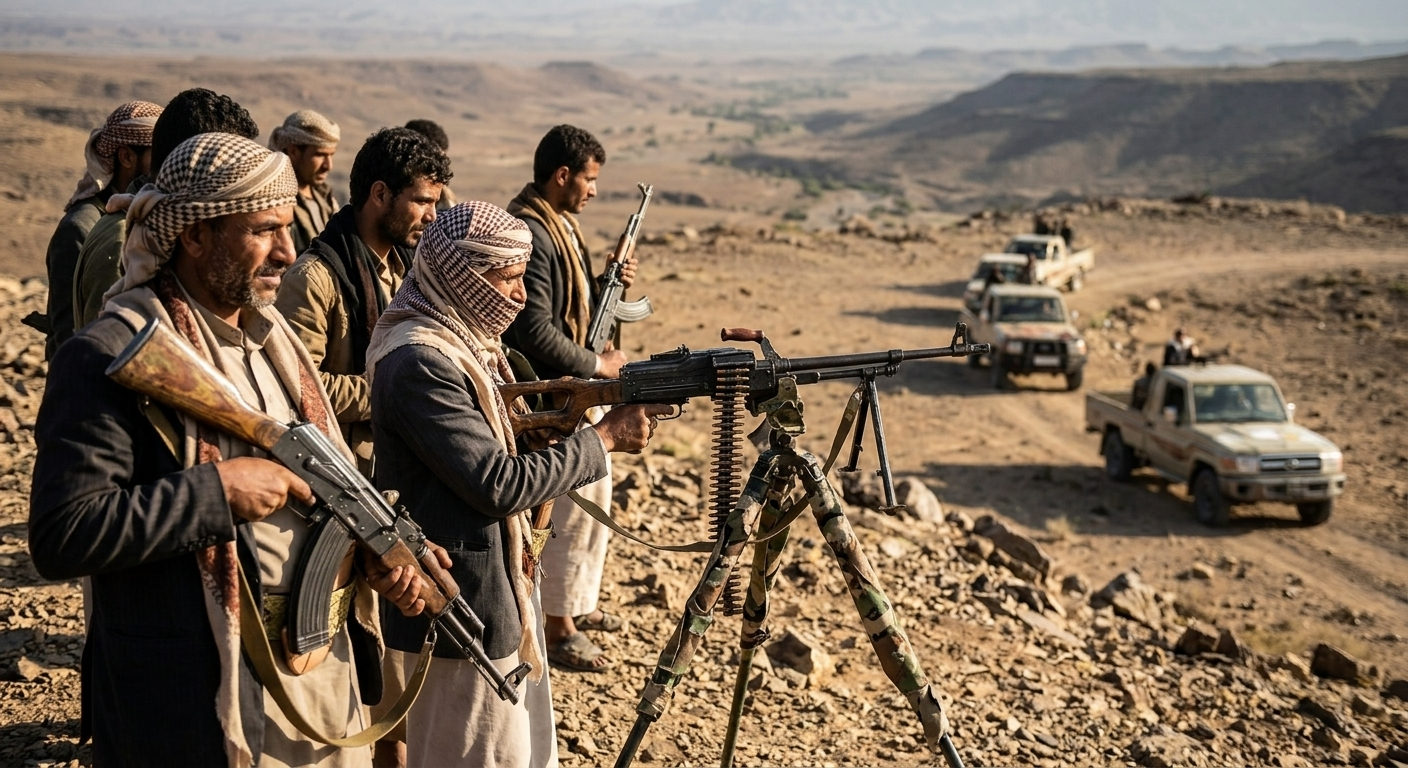
| The Trump administration has made public its ongoing engagement with Yemen's Ansar Allah movement, commonly known as the Houthis, disclosing that the Iranian-backed group has committed to avoiding confrontation with American military personnel and assets. |
| According to the president's recent statements, the organization initially reached out to Washington with a straightforward message: it sought to prevent the resumption of U.S. military strikes within Yemeni territory. |
| The arrangement that has emerged from these negotiations appears remarkably narrow in scope. The understanding specifically shields American troops, naval vessels, and commercial infrastructure from Houthi operations. |
| However, the agreement notably lacks reciprocal coverage extending to Saudi Arabia, the United States' longtime regional partner. |
| The situation presents a striking contrast in security postures across the region. While American interests enjoy protection from Houthi aggression, the Saudi kingdom continues to absorb sustained bombardment. |
| Missile strikes and unmanned aerial assaults persist against Riyadh's military and civilian targets. Energy facilities remain under threat, and the group maintains pressure on maritime commerce flowing through the Bab el-Mandeb strait, a critical chokepoint for international shipping. |
| Saudi Arabia's crown prince, Mohammed bin Salman, evidently pursued expanded military backing from Washington to counter these persistent threats. The kingdom sought direct American military intervention to bolster its defensive and offensive capabilities. |
| However, the U.S. declined to commit to a renewed military campaign. Instead, American officials offered intelligence-sharing arrangements as an alternative form of assistance. |
| This outcome illuminates a fundamental shift in how the American-Saudi relationship functions in practice. What once appeared as a comprehensive strategic partnership has increasingly taken on characteristics of a transactional arrangement. |
| The United States has successfully negotiated protection for its own operational footprint and commercial interests in the region. The Saudis, by contrast, have been left to manage an ongoing conflict largely without the direct military support they apparently hoped to secure. |
| The dynamics underscore the evolving nature of American foreign policy in the Middle East. Rather than committing substantial military resources to extended operations, the current administration appears to favor selective engagement that prioritizes direct American security concerns. |
| The Houthis, for their part, seem willing to accept this bifurcated approach—maintaining their capacity to strike Saudi targets while forgoing attacks on the United States itself. |
| This arrangement raises complex questions about regional stability and the depth of American commitments to established allies. Saudi Arabia faces a technologically advancing adversary capable of striking deep into its territory with increasing accuracy and precision. |
| Without direct American military assistance, the kingdom's options for escalating its response appear constrained. |
| The broader implications extend beyond bilateral relations. The precedent of negotiating separate agreements with rival regional actors—protecting American interests while allowing hostilities to continue against allies—suggests a potential model for future engagements. |
| Whether this approach proves sustainable or ultimately undermines regional confidence in American security guarantees remains an open question for policymakers and analysts alike. |