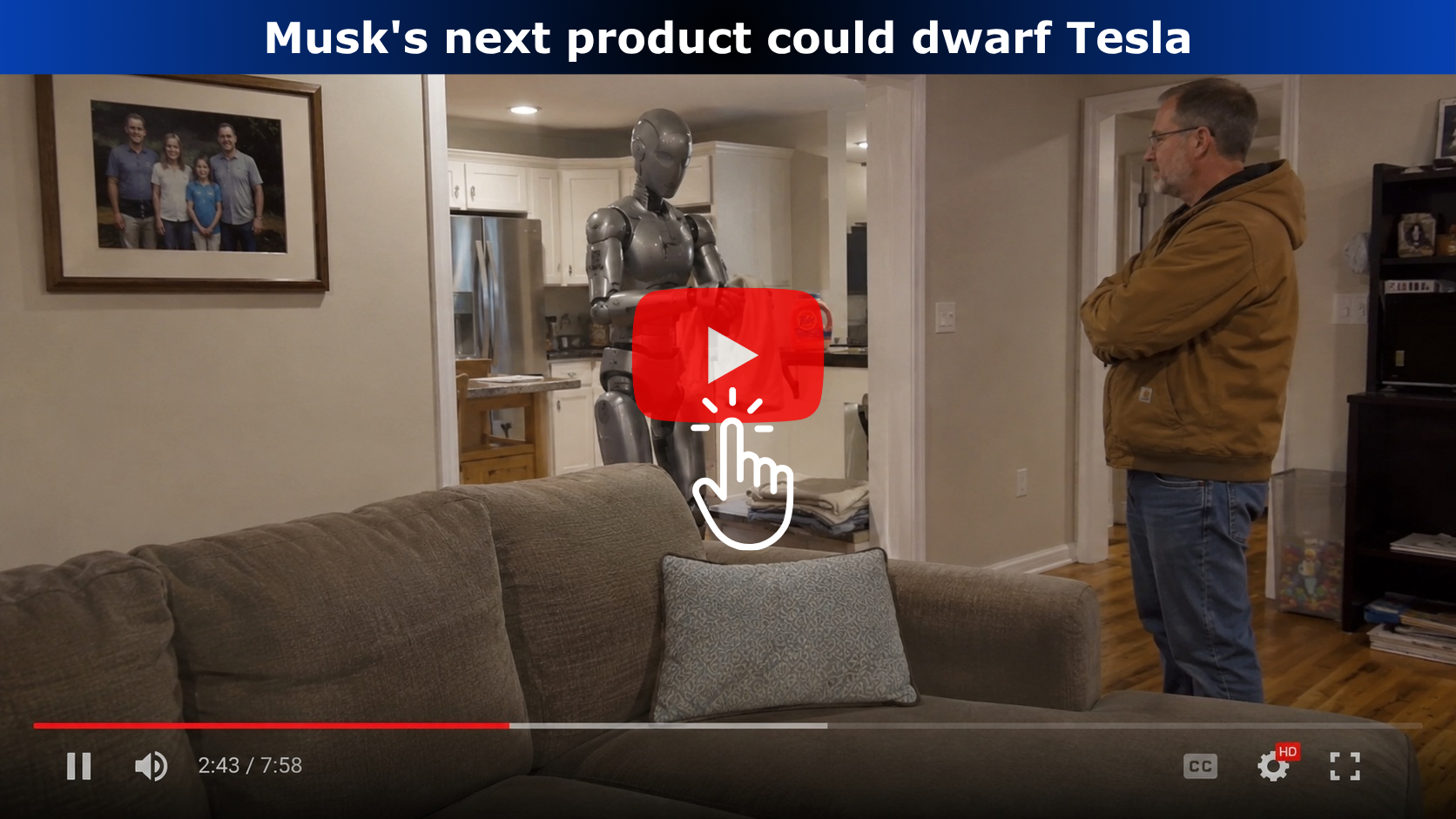
$25,000. That's what Musk is charging for an Optimus robot. It does your dishes. Walks your dog. Works while you sleep. Analysts say one billion will be sold. But without one small company's critical part — every single robot is a useless pile of metal. That company's stock hasn't moved yet. See it before the presale announcement | | | | If you would like to stop receiving these offers, please click here to unsubscribe. | |
|
| The 30-Year Treasury Is Yielding 5.27% and the 10-Year Is Approaching a Two-Decade High. The Long End Is Repricing Faster Than the Short End, Which Means the Market Is Pricing Something the Fed's Next Rate Decision Cannot Fix. |
The 10-year Treasury yield traded at 4.80% on Tuesday, September 8, approaching a two-decade high, while the 30-year sat at 5.27%. The move came as Brent crude pushed above $98 a barrel on renewed Middle East escalation, and it followed Friday's stronger-than-expected jobs report, which drove yields higher by pulling forward expectations of a September Fed hike. Both the Dow and S&P 500 fell on the day — the Dow shedding more than 600 points to 52,786 — as elevated long-end yields created tougher competition for equities.
|
What distinguishes this move is where on the curve it is happening. A short-rate decision affects the front end most directly; the 2-year has been trading around 4.37%, meaning the long end is now roughly 90 basis points above it and the spread has been widening rather than compressing. That shape is consistent with a market pricing persistent inflation and term premium rather than simply a single quarter-point hike, and the drivers on the table support that reading: an energy shock pushing oil toward $100, Canada's retaliatory tariffs adding a second cost channel, and five years of inflation running above the Fed's 2% target. A hike on September 16 addresses the front end. It does not directly resolve the questions the 30-year is asking about inflation and fiscal supply over the next three decades, which is why a hawkish Fed can, counterintuitively, be constructive for long-end yields by reinforcing the inflation anchor.
|
For the investor, the practical consequence is that the long-duration portion of a bond allocation is where the damage concentrates, and it concentrates regardless of what the FOMC decides next week. A 30-year at 5.27% means any long bond bought at materially lower yields is carrying a mark-to-market loss that only reverses if yields fall back — and the same arithmetic applies to the long-duration growth equities whose valuations are discounted against that rate. What makes the current setup more informative than most is that the long end and the equity market are now moving on the same input from opposite directions: yields rising because inflation risk is repricing, equities falling because those yields raise the bar every future earnings stream must clear. The number to track after the FOMC is not the fed funds target but whether the 30-year keeps climbing once the rate decision is out of the way. |
Sources — Investrade, September 8, 2026 · TheStreet, September 8, 2026 · The Motley Fool, September 8, 2026 |
|
|
[email protected] is on ObliqueFront.com list because you opted in before the crowd caught on.
If we go quiet — look in promotions, updates, or wherever your inbox files things it hasn't figured out yet.
Privacy Policy
Unsubscribe. We'll part ways cleanly.
If something's off, you can reach us here
© 2026 Alpha One Marketers LLC. All rights reserved.
254 Chapman Rd Ste 208 Newark, Delaware 19702. |
|
|
|