
|
 |
They Sprayed It on Your Apples the Day They Picked Them
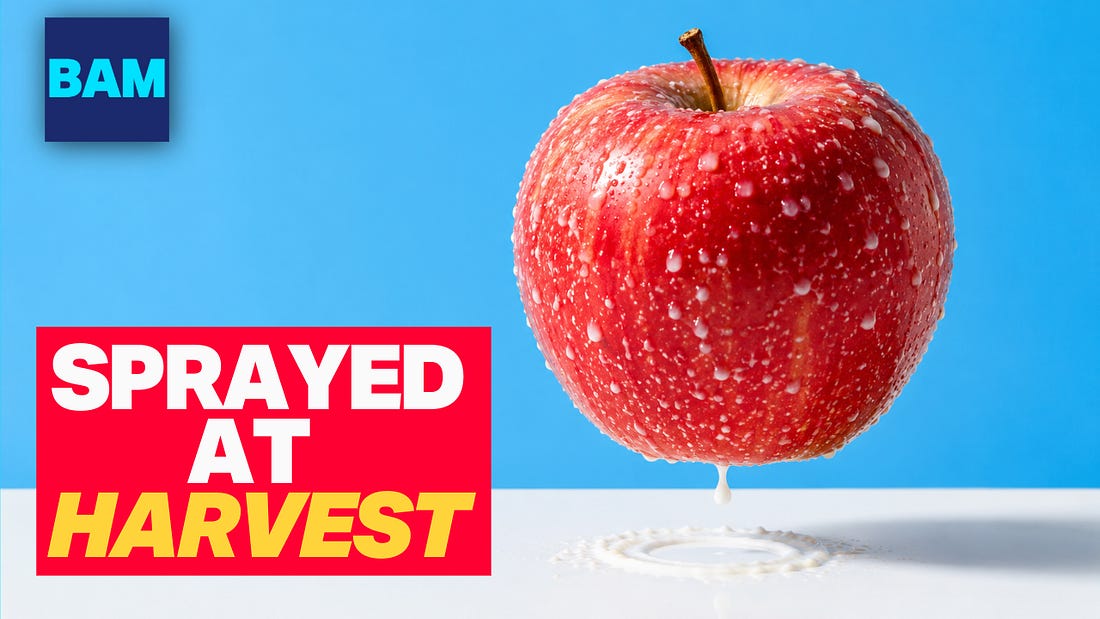
EPA approved a new weedkiller for corn, oranges, and almonds with a zero-day harvest interval—and an inhalation study it never ran.
|

| |||||||||||||||


 |
Cliff’s Note:
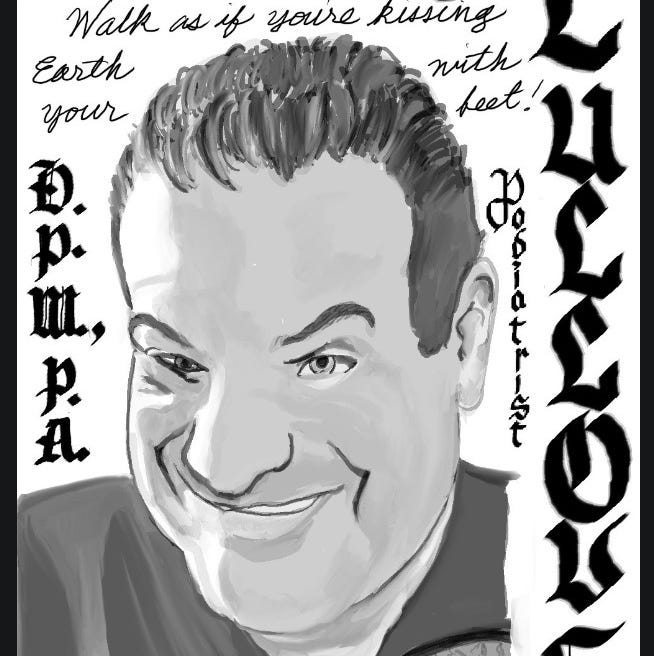
Dr. Eric Lullove spends his days trying to close wounds on the legs and feet of people who worked outdoors for a living. When EPA approved a new weedkiller for American food crops this July, he did the thing almost nobody does. He pulled the agency’s own registration file and read the whole thing.
What he found is below.
I’m not going to pretend this one is fun. It’s the kind of story that exists only because a physician sat down with a federal docket on his own time. The trade press didn’t do it. The agencies didn’t do it. And the Health Secretary who built a national movement on the chemicals in our food said nothing at all.
That is what your subscription pays for. Not takes. Documents.
The first half of this piece is free, and I want you to send it to everyone you know who eats. The rest—the children’s safety margin EPA erased, the enzyme this chemical shuts down that your own blood needs, and the one paragraph where the agency explains why it will not add the risks together—is for paid subscribers.
Sixty dollars a year. Five bucks a month.
—Cliff
By Dr. Eric J. Lullove
On July 1, 2026, the Environmental Protection Agency approved a chemical called trifludimoxazin for use on American food crops. Corn. Soybeans. Wheat. Oats. Peanuts. Oranges. Apples. Pears. Almonds, pecans, pistachios, and walnuts. Beans and peas.
You have almost certainly never heard of it. Neither had I, until I read the file.
I have spent my career treating wounds that will not heal—mostly on the legs and feet of people who worked outdoors for a living. So I went and pulled EPA’s own registration record, docket number EPA-HQ-OPP-2022-0649, and read it start to finish.
I want to be careful here. I am not going to tell you this chemical will give you cancer. I am going to tell you something worse: nobody knows, because nobody looked—and the agency wrote down that it wasn’t going to look.
The Names
Institutions don’t sign documents. People do.
Ed Messina, Director of the Office of Pesticide Programs, signed the registration decision. His name is on the front page.
Douglas Troutman runs the office above him—Assistant Administrator for Chemical Safety and Pollution Prevention. He spent 18 years at the American Cleaning Institute, a chemical industry trade group, before the Senate confirmed him in December 2025. When EPA announced his confirmation, the pitch was that he “understands the companies that make them.” That was the selling point.
Lee Zeldin, the EPA Administrator, runs the agency. When the Make America Healthy Again report first raised alarms about farm chemicals, Zeldin went on a press call and assured everyone it would not lead to tougher rules. It didn’t.
Robert F. Kennedy Jr. didn’t sign anything. That is exactly the problem.
Kennedy built a national movement on the claim that the chemicals in our food are making Americans sick. He runs Health and Human Services. He sits on the MAHA Commission. The FDA reports to him, and FDA is the agency that actually checks food for pesticide residue. He had every lever.
In February 2026, when the President invoked the Defense Production Act to boost domestic glyphosate production, Kennedy—who once promised to ban the stuff—said “we must safeguard America’s national security first.” Four months later EPA approved its fifth PFAS-family pesticide of this administration. Kennedy said nothing. No statement. No referral. No request for further study.
He also has no confirmed FDA commissioner. Marty Makary resigned in May. A food-industry attorney, Kyle Diamantas, has been running the agency on an acting basis ever since. Heidi Overton, a White House aide, was nominated in August. That is the leadership standing between this chemical and your kitchen.

Continue reading this post for free in the Substack app
| ||||||||||


