| STOP BRUSHING YOUR TONGUE. At least if you do it in the way 98% of Americans do every morning... Because according to Dr. Michael Anderson, a dental researcher with 31 years of experience… This tongue brushing mistake explains why your mouth tastes minty at 8 AM... …yet that nasty “rotten egg” breath is back before lunch. There’s a specific way most people scrub their tongue that can accidentally strip away your mouth’s natural protection. Fortunately, Dr. Anderson discovered a simple 10-second tweak to your bathroom routine that targets bad breath at the source... And once you see it, you’ll understand why all that brushing, scraping and rinsing never seemed to work for long. >> STOP brushing your tongue like this (causes bad breath) | 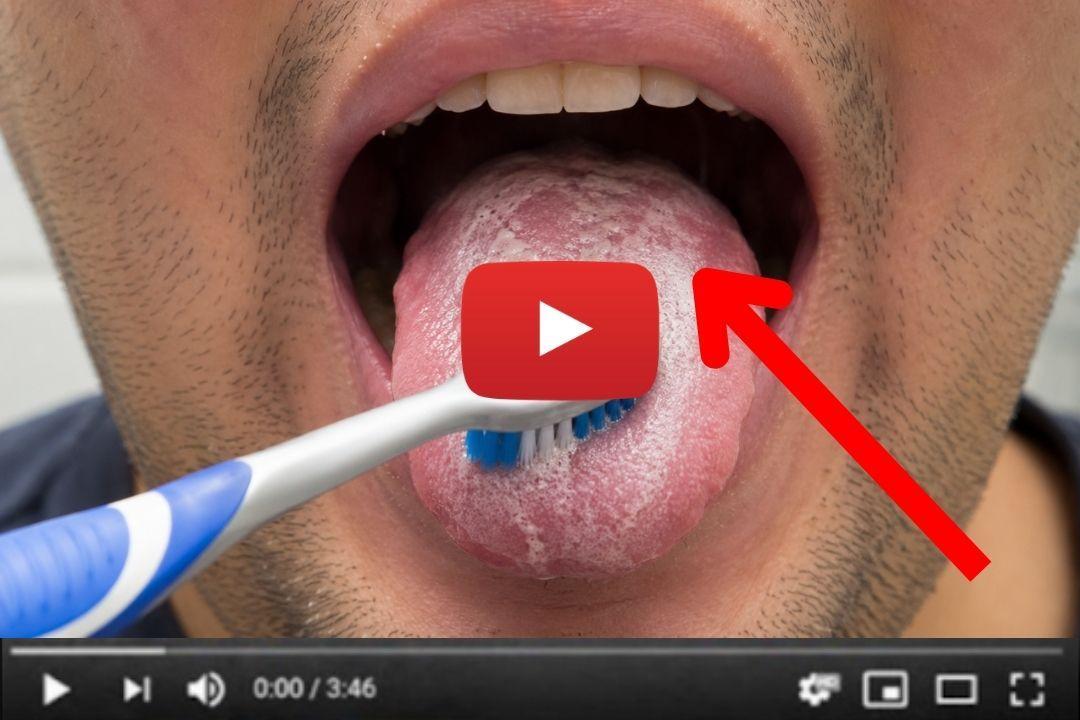 | | | | | If you'd rather not receive these emails, you can unsubscribe here. | |
Silver Tract Editorial | SILVER TRACT | EDITORIAL NOTE | | | | | | RECOVERY / REPAIR / HUMAN BIOLOGY | | | The Body Never Really Stops Repairing Itself | | Everyday life creates small amounts of wear. The body answers with a continuous cycle of maintenance, replacement, and recovery that usually happens without attracting attention. | | Human biology is often described through moments of activity: walking, eating, working, exercising, thinking, or sleeping. Less attention goes to what happens in between — the maintenance work that keeps tissues functional after ordinary use. Cells replace damaged components. Skin renews its outer layers. Muscle tissue responds to physical load. Bone is constantly remodeled. The immune system patrols for problems while enzymes and repair systems correct small forms of molecular wear. None of this requires a dramatic injury. Repair is part of normal life. The body is exposed continuously to movement, friction, sunlight, temperature shifts, metabolic activity, and the simple mechanical stress of being awake and active. Recovery is therefore not an occasional event but a permanent background process. | | 01 | SKIN RENEWS FROM BELOW | | | Skin offers one of the clearest examples of quiet renewal. Its outer surface is exposed constantly to air, clothing, water, soap, sunlight, friction, and changing temperature. The visible surface is not permanent. Cells in deeper layers gradually move outward, changing as they travel. Older surface cells are eventually shed while newer ones take their place. This process helps maintain the skin’s role as a barrier. The surface has to withstand repeated contact without becoming a single unchanging layer that simply accumulates wear indefinitely. Renewal is therefore built into the structure itself. The skin remains familiar in appearance while much of its outer material is continually being replaced. | | | EDITORIAL NOTE Biological maintenance often works by replacement rather than preservation: old material is removed as new material takes its place. | | | 02 | MUSCLE RESPONDS TO USE | | | Muscle tissue demonstrates a different kind of maintenance because use itself becomes part of the signal. Physical activity places mechanical and metabolic demands on muscle fibers. After the activity ends, recovery processes continue. Proteins are continuously broken down and rebuilt, and cells respond to the demands they have experienced. This is why activity and recovery are not separate stories. Exercise creates the challenge, while the period afterward is when the tissue reorganizes around that challenge. The same general idea appears in many systems: use creates wear, wear creates signals, and repair processes respond in ways that help tissues remain functional under repeated demands. | | “ | Recovery is not empty time. It is when the body processes what happened during activity and begins reorganizing around it. | | | 03 | BONE IS MORE DYNAMIC THAN IT LOOKS | | | Bone can seem like one of the body’s most permanent materials. It is rigid, structural, and built to carry load. Yet living bone is continually remodeled. Specialized cells remove small areas of older material while other cells build new tissue. This turnover helps bone respond to mechanical stress and maintain its internal architecture. The process is slow compared with a heartbeat or breath, but that slower pace does not make it less active. The skeleton is constantly being maintained in the background. This is another useful reminder that the body’s most solid structures are still biological systems. Stability can be created through continuous replacement rather than by remaining physically unchanged. | | 04 | CELLS RUN THEIR OWN MAINTENANCE SYSTEMS | | | Repair also happens at scales too small to see directly. Cells contain proteins, membranes, genetic material, and specialized structures that all experience ordinary forms of molecular wear. Maintenance systems identify damaged components, break down material that is no longer useful, and build replacements from available raw materials. This is especially important because metabolism itself creates byproducts. Using oxygen and producing energy are essential processes, but biology still has to manage the chemical consequences of those reactions. Cellular health therefore depends partly on housekeeping. The body is not only generating new activity; it is continually sorting, recycling, repairing, and removing material left behind by previous activity. | | THE MAINTENANCE VIEW The body stays functional partly because damaged material does not simply accumulate without limit. It is continually identified, replaced, recycled, or removed. | | | 05 | SLEEP CREATES A DIFFERENT REPAIR ENVIRONMENT | | | Sleep changes the body’s operating environment in ways that researchers continue to study closely. Brain activity shifts through repeating stages, hormone patterns change, temperature follows its daily rhythm, and physical activity falls dramatically. That quieter period does not mean repair occurs only during sleep. Maintenance happens around the clock. But sleep creates a distinct physiological state in which different systems are coordinated around rest rather than waking activity. Modern sleep research increasingly combines electrical brain recordings, movement sensors, breathing measurements, and other tools to examine how this state changes across the night. The larger lesson is that recovery is layered. Some repair unfolds over minutes, some over hours, and some across days or longer periods. The body maintains itself on many overlapping clocks at once. | | — | Health can look like continuity from the outside. Underneath, that continuity is built from replacement, repair, recycling, and recovery — quiet processes that allow the body to remain recognizable even as much of its material is constantly being renewed. | | | SILVER TRACT / EDITORIAL NOTE | | | |
|
|
This email communication is from SilverTract, which forms part of TerraTrance Technologies, LLC. You can reach our team by replying to this message or emailing [email protected]. 200 Broadway Blvd NE, Albuquerque, NM 87102 Copyright © 2026 SilverTract. All Rights Reserved. No written, visual, or informational material in this communication may be reproduced or distributed in any manner without prior written permission from TerraTrance Technologies, LLC. |
|
|
|