Each week, we'll share with you some of the most compelling numbers in our studies.
4.6 percent
The U.S. remains below funding levels consistent with a wartime footing. But at an estimated 4.6 percent of GDP, the president’s budget request of $1.5 trillion in total discretionary & mandatory budget authority for FY 2027 would mark a notable break in this trend.
SOURCE: "Is the Industrial Base on a Wartime Footing? A Progress Report" by CSIS's Jerry McGinn and A.J. Dilts.
5,000 drones
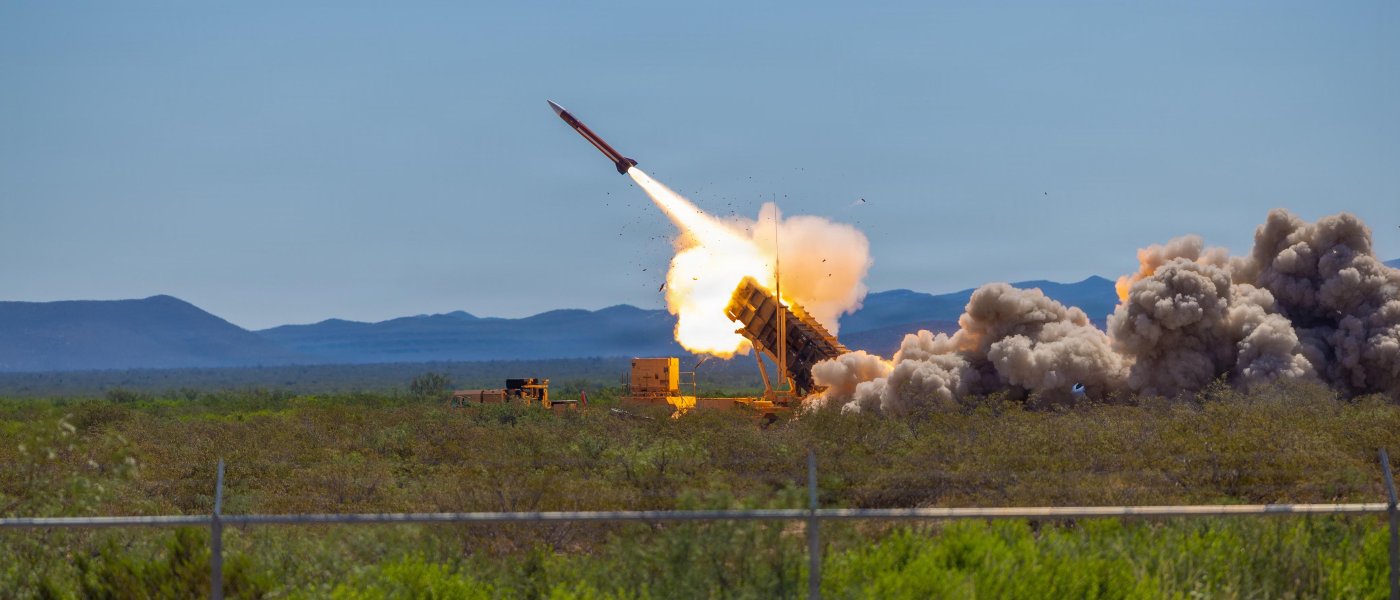
Russia, as of early 2026, is deploying more than 5,000 drones per month on average. Because they are cheaper than cruise and ballistic missiles, the Shahed-type drones allow Russia to launch larger salvos more frequently.
SOURCE: "The Geography of Coercion: Russian Missile and Drone Campaigns in Ukraine" by CSIS's Yasir Atalan and Benjamin Jensen with Marcus Welsch and Erik Tiersten-Nyman.
$19.6 billion
South Korea has been running lower trade surpluses with China for the greater part of the decade—from $99.7 billion in 2018 to $19.6 billion in 2025 —as Chinese firms have displaced South Korean exports across electronics, electric vehicles, batteries, and petrochemicals.
SOURCE: "Export Nation or Ecosystem Power: South Korea’s Choice in the AI Industrial Age" by CSIS's Navin Girishankar.
60 percent
China dominates the aluminum value chain, accounting for roughly 60 percent of the world’s primary aluminum production—about 43 million tonnes a year—while the West remains heavily exposed, with the U.S. importing 82 percent of its primary supply.
SOURCE: "Keeping Aluminum in Allied Hands: The Stakes of Alcoa’s South Africa Bet" by CSIS's Gracelin Baskaran.
By the Numbers is composed weekly by Lauren Adler and the External Relations team.
The Center for Strategic and International Studies (CSIS) is a bipartisan, nonprofit organization founded in 1962 and headquartered in Washington, D.C. It seeks to advance global security and prosperity by providing strategic insights and policy solutions to decisionmakers.