Today’s roundup is about leverage: Congress funding enforcement, voters picking sides, Ukraine pushing Russia’s back line, counterterror ops tightening the perimeter, and the FBI finally aiming at the plumbing that keeps cybercrime profitable.
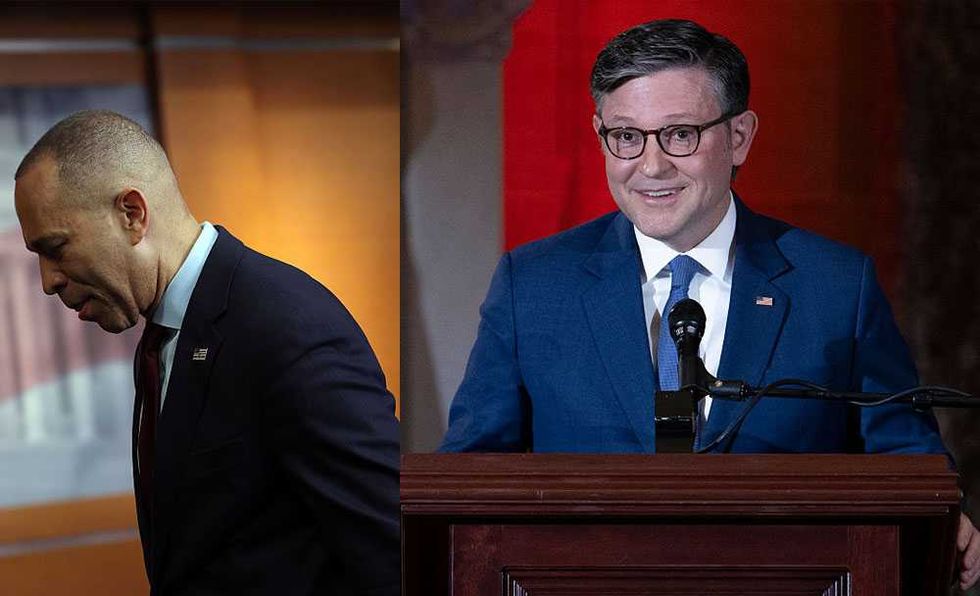
Image via TheBlaze
House GOP Locks In ICE Funding — Democrats Lose Their Best Roadblock
House Republicans moved to secure ICE funding for the remainder of President Trump’s term, beating back Democratic attempts to slow-walk or choke off resources tied to enforcement and deportation operations. The practical effect is simple: more bed space, more transport capacity, more agents, and fewer excuses for noncompliance.
For local economies, the ripple is real. Labor markets that have been distorted by illegal hiring get less distorted, wage competition becomes more honest, and employers who have played by the rules aren’t punished for it. And when the federal government signals seriousness, states, counties, and employers adjust fast — because uncertainty is the tax nobody budgets for.
🏛 Wade's Take: If you’ve ever run payroll, you know rules only matter when they’re enforced. Funding ICE is less about politics and more about restoring a baseline where legal workers and lawful businesses aren’t the suckers at the table. Stability is bullish — for communities, for housing demand that isn’t artificially inflated, and for small businesses trying to plan more than one quarter ahead.
📎 TheBlaze
Primaries Check the Temperature: Maine Dems Pick Platner as Trump Finds His Footing
Tuesday’s primary results delivered two signals at once: Maine Democrats selected Platner, while President Trump showed renewed strength in key contests as the primary calendar grinds forward. Primaries are messy by design, but they’re also the most honest polling — voters putting skin in the game.
Markets don’t vote, but capital reacts to trajectory. Candidate selection tells you which coalitions are gaining influence and what kind of regulatory posture may be coming: energy, taxes, permitting, and law enforcement priorities all change depending on who’s driving the bus.
🏛 Wade's Take: I watch primaries like I watch cap rates: not for the headline, but for the direction of travel. If Trump is consolidating support, you can expect businesses and investors to start pricing in a more pro-domestic-energy, less-regulation posture. That doesn’t solve everything, but it does reduce the guessing game — and the guessing game is what freezes hiring and deals.
📎 Reuters

Image via AP News
Ukraine Takes the Gloves Off: Long-Range Strikes Hit Russian Military and Energy Targets
Ukraine launched long-range strikes against military and energy sites inside Russia, expanding the conflict’s reach beyond the front lines and into infrastructure that supports Russia’s war effort. Reports describe attacks involving drones and damage tied to energy and military facilities.
Whenever energy infrastructure becomes a battlefield, everyone feels it — not just the region at war. Insurance premiums, shipping risk, refinery margins, and global energy pricing can shift quickly, and those shifts work their way into everything from diesel costs to household utility bills.
🏛 Wade's Take: Energy is the world’s master input cost, and wars that touch it don’t stay local for long. If these strikes persist, expect more volatility in oil and refined products — which is another way of saying small businesses get squeezed again. I don’t like guessing games, so I keep some exposure to real assets and stay disciplined on debt duration until the headline risk cools off.
📎 AP News
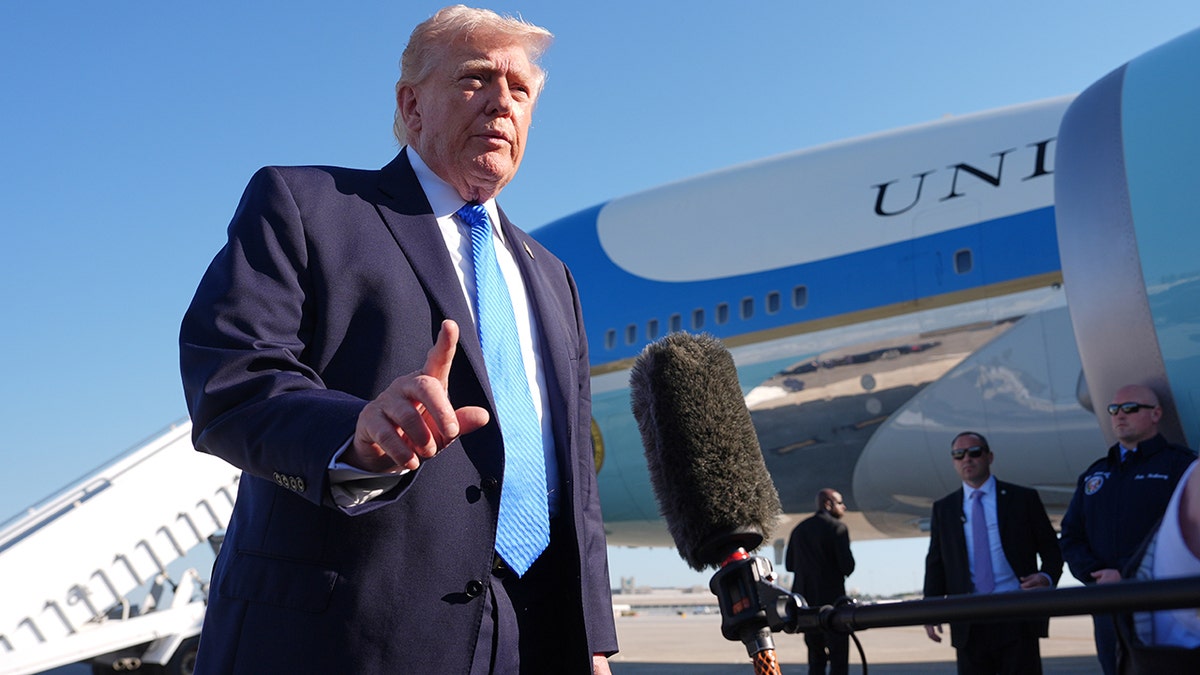
Image via Fox News
Counterterror Wins Quietly Pay Loud Dividends — and Trump’s Team Knows It
An opinion piece argues the Trump administration’s counterterrorism strategy is producing measurable results against global threats, including pressure on Iranian proxy networks and operations targeting ISIS leadership believed to be plotting attacks. The thrust: persistent targeting, better intelligence integration, and a willingness to act before threats mature.
Americans forget how expensive insecurity is until it lands on their doorstep. Terror threats change travel patterns, raise security costs, distort government spending priorities, and add friction to commerce — especially in logistics hubs, ports, and major metros where business depends on smooth movement.
🏛 Wade's Take: The best counterterror policy is the one that prevents the headline altogether. When the government does its job here, it protects more than lives — it protects confidence, and confidence is the oxygen of investment. I’m all for tough, targeted operations that keep threats overseas instead of importing them into our malls, airports, and downtowns.
📎 Fox News

Image via RedState
FBI Starts Squeezing the Middlemen of Cybercrime — About Time
The FBI is putting new weight behind targeting the services that enable cybercrime, not just the teenagers writing malware or the crews launching ransomware. According to the report, this approach aims at the infrastructure layer — the providers, facilitators, and platforms that make digital crime scalable and profitable.
That matters because cybercrime is a hidden tax on every business owner in America. It’s higher insurance premiums, more IT spend, more downtime risk, and more liability — and for property operators like me, it’s one compromised vendor away from a mess that takes months to unwind.
🏛 Wade's Take: If you want to reduce cybercrime, you hit the business model, not the foot soldiers. Going after the enablers is the first strategy I’ve seen that treats this like organized crime instead of a tech nuisance. And if Washington is serious, it should pair enforcement with clear rules that don’t punish victims who report quickly and cooperate fully.
📎 RedState
I’m Wade Lawson — keep your balance sheet clean, your leases tight, and your politics focused on what actually moves jobs, prices, and freedom. See you tomorrow in The Local Conservative.
— Wade Lawson

