Plus, our investigation into Texas’ disciplinary schools
 ‌ ‌ ‌ ‌ ‌ ‌ ‌ ‌ ‌ ‌ ‌ ‌ ‌ ‌ ‌ ‌ ‌ ‌ ‌ ‌ ‌ ‌ ‌ ‌ ‌ ‌ ‌ ‌ ‌ ‌ ‌ ‌ ‌ ‌ ‌ ‌ ‌ ‌ ‌ ‌ ‌ ‌ ‌ ‌ ‌ ‌ ‌ ‌ ‌ ‌ ‌ ‌ ‌ ‌ ‌ ‌ ‌ ‌ ‌ ‌ ‌ ‌ ‌ ‌ ‌ ‌ ‌ ‌ ‌ ‌ ‌ ‌ ‌ ‌ ‌ ‌ ‌ ‌ ‌ ‌ ‌ ‌ ‌ ‌ ‌ ‌ ‌ ‌ ‌ ‌ ‌ ‌ ‌ ‌ ‌ ‌ ‌ ‌ ‌ ‌ ‌ ‌ ‌ ‌ ‌ ‌ ‌ ‌ ‌ ‌ ‌ ‌ ‌ ‌ ‌ ‌ ‌ ‌ ‌ ‌ ‌ ‌ ‌ ‌ ‌ ‌

View in browser

Weekly Update

A newsletter from The Hechinger Report

Sponsored by:

Facing History & Ourselves

In this week's edition: From student loan repayment to career and technical training, big changes in higher education are coming July 1. Tens of thousands of students are sent each year to Texas' alternative disciplinary schools, sometimes for minor offenses like being disruptive. Plus, hundreds of college-based programs around the country are designed to help students who are former foster youth graduate with plans to build stable careers

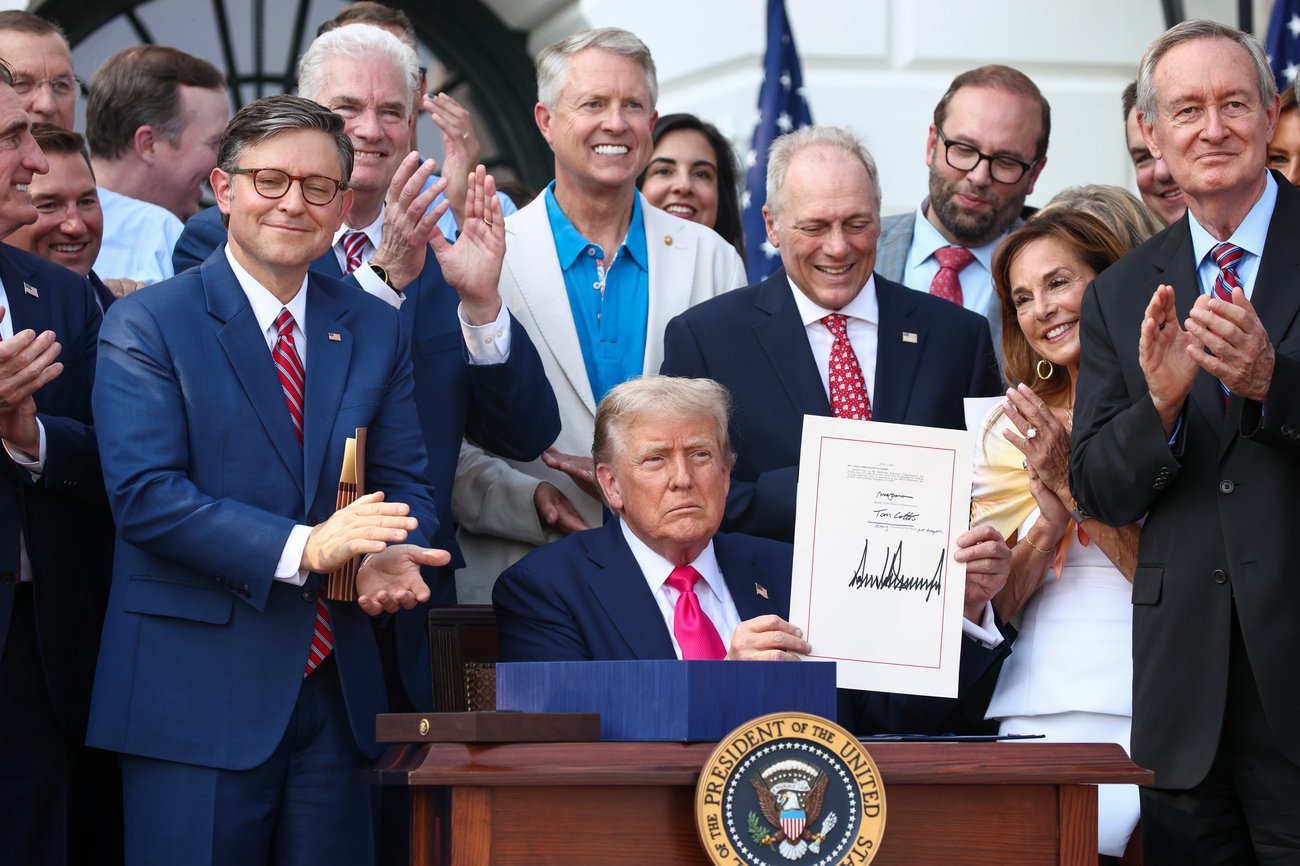
President Donald Trump, joined by Republican lawmakers, signs the One, Big Beautiful Bill Act into law. The legislation included several changes to the federal student financial aid system. Credit: Samuel Corum/Getty Images

Five big changes coming to higher education July 1

Since the start of President Donald Trump’s second term, the White House and Congress have worked aggressively to overhaul federal student financial aid. On July 1, many of those efforts will come to fruition.


Student borrowers will begin to see different options for loan repayments and forgiveness, while current students will face new limits on how much they can borrow in the first place. Low-income people will have more funding available to pursue career and technical training. 


These moves have cheerleaders, critics and skeptics. The Hechinger Report checked in with experts around the country to find out what they’re wondering and watching for as it all unfolds.


What’s changing

  • Workforce Pell: After years of unsuccessful bipartisan support, federal Pell Grants will be available for the first time to help lower-income students pay not just for associate and bachelor’s degrees, but for short-term training that leads to certificates or certifications for in-demand roles.
  • Scrapping the SAVE loan program: The federal SAVE — Saving on a Valuable Education — program is being phased out by the Trump administration, leaving its 7.5 million participants to transfer their student debt to one of at least three other plans.
  • Public Service Loan Forgiveness: A new caveat from the Trump administration has created chaos for hundreds of thousands of borrowers whose public service jobs may no longer qualify. 
  • Graduate student loan limits: Students enrolled in 11 fields categorized as professional, such as doctors and lawyers, are limited to $50,000 per year and a lifetime total of $200,000. All other graduate programs, such as nursing, teaching and social work, will have a lower cap of $20,500 per year and $100,000 in total. 
  • Parent loan limits: Parent PLUS loans, which previously allowed parents to borrow up to the cost of a child’s attendance, will be capped at $20,000 per year and a lifetime total of $65,000 per dependent student.


Read the story

This week's newsletter is sponsored by: 

Facing History & Ourselves

As we mark the 250th anniversary of our nation's founding, help your students explore the complexities of US history and reflect on the importance of their voices in shaping the future. Our new collection supports educators in civics, history, and ELA classrooms.


Browse the resources.

Texas’ discipline push sends kids to ‘jail-like’ campuses


Angela Comfort still can’t explain exactly what went wrong. 


Her son, Jordan, an honors student in Garland, Texas, got in trouble with school officials this February for distributing flyers on campus about a protest against Immigration and Customs Enforcement. Students all over North Texas were planning a walkout, and the teen was eager to participate.


Instead, administrators suspended him and warned further punishment was possible.

“I didn’t even let him go near the school” the day of the protest, Comfort said. “No new behavior could have been seen to warrant any kind of new discipline.”


Still, that afternoon, an email came from the school: Jordan was being assigned to the district’s Disciplinary Alternative Education Program. An administrator later said Jordan was facing a six-week placement for being disruptive, according to Comfort. If he behaved well and took behavior and anger management classes, he could be out in five weeks, she recalled. 


These programs, known as DAEPs, were designed as punishments for serious misbehavior. Over the last three decades, though, they have become a central part of Texas’ school discipline system, with more than 100,000 students attending them each year not only for offenses such as bringing a weapon to campus but also violations like insubordination and failure to follow dress codes. 


Before the pandemic, educators were slowly moving away from using DAEPs as a punishment, state data shows, but the number of students sent to them jumped back up again after schools fully reopened. Then last year, with reports of student misbehavior and violence rising, lawmakers passed House Bill 6, allowing more districts to send students to these alternative schools for disruptive behavior. 


School districts have a lot of leeway over when students are assigned to DAEPs and how the programs are run. Local educators almost never have to answer to any other entity, including the justice system, and parents often have limited recourse to get placements overturned. 


Although the Texas Education Agency has oversight of DAEPs, it only requires that such campuses provide an “academic and self discipline program that leads to graduation” and does limited monitoring. Yet, the TEA acknowledges their shortcomings: As soon as a student enters a DAEP, the agency considers them at risk of dropping out. Indeed, research shows less than half of ninth graders who are placed in one of the programs graduate from high school on time. 

Read the story

Former foster youth face very low odds of college or workforce success. Some people are trying to change that


College-based programs connect students with each other and with basic needs resources.

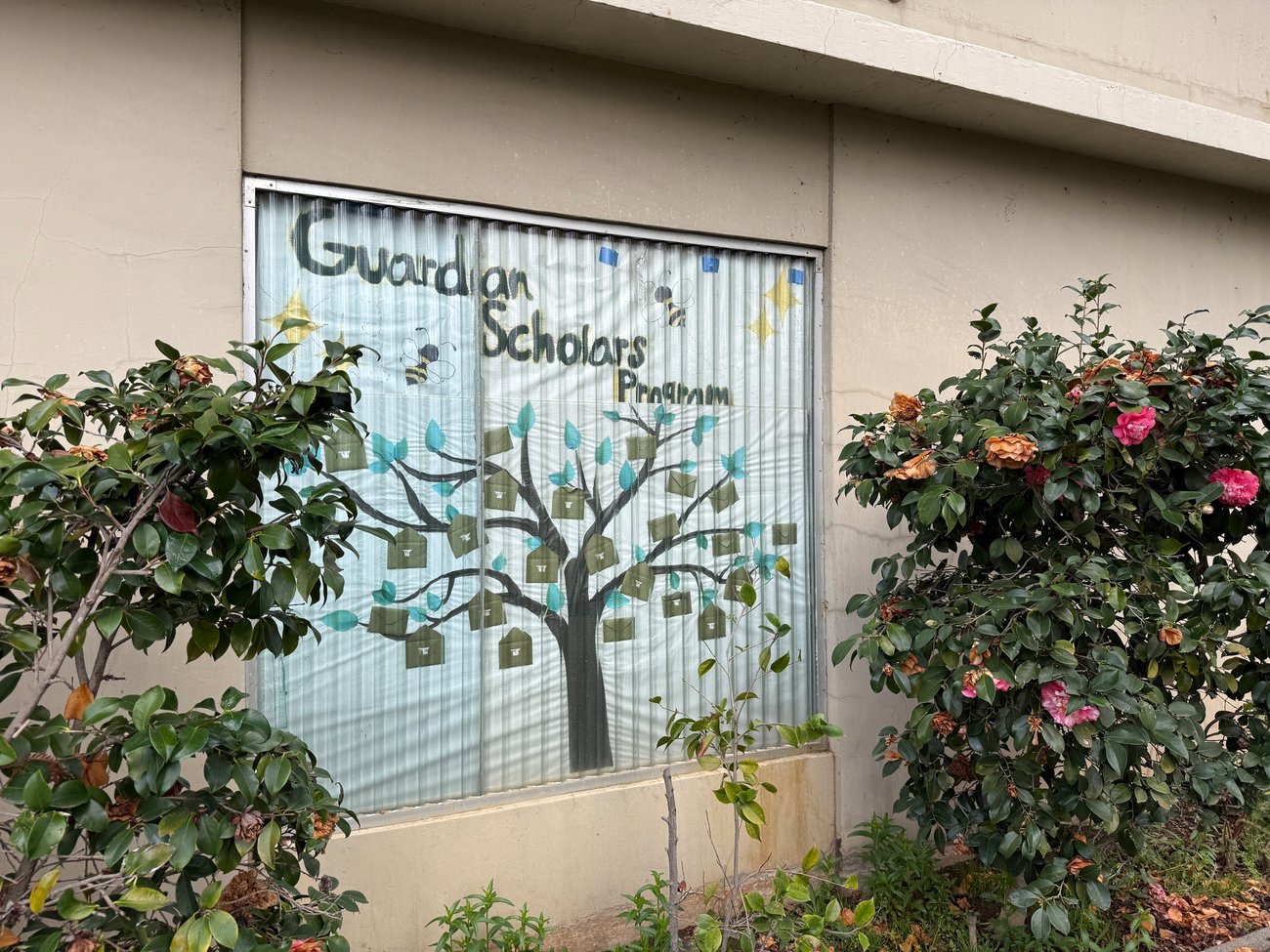
The Guardian Scholars Program at Sacramento State is one of hundreds around the country designed to help students who are former foster youth stay enrolled, thrive academically and graduate with plans to build stable careers.

Become a sponsor

Reading list


Four takeaways from our investigation into Texas’ disciplinary schools

Designed as a punishment for serious offenses, the schools now enroll students who have committed only minor infractions.


How cutting fruit almost landed a 10-year-old in disciplinary school
Inside our reporting on the system Texas has set up to punish tens of thousands of kids. 


As farming goes high tech, universities grow new types of agriculture degrees 

New university “precision agriculture” programs teach the use of satellite images, soil sensors, drones, robotics and more.


Women rule (in college and graduate and professional schools)
As fewer men choose college, women are moving into top professions.


What Michigan schools reveal about reversing chronic absenteeism

Time-intensive home visits show promise.


Tracking Trump: His actions on education

The latest: The Education Department declares June "Title IX Month" and investigates a North Carolina school district for allowing transgender students into girls-only facilities.  


Summer camp is child care, but many families miss out

Enriching summer care options are out of reach for many


TEACHER VOICE: AI is an addictive drug that must be researched, studied and confined
AI literacy is the only defense that actually works because it could help students push back.

Invite others to sign up for our newsletters.

Donate

Copyright © 2026 The Hechinger Report, All rights reserved.

Click here to manage your newsletter preferences