
|
 |
Whole Milk to Return to American Schools
The USDA issued a final rule freeing schools from the requirement to only offer skim and 1% milk to kids in school lunch programs
|
| |||||||||||||||


“Thanks to President Trump’s leadership, whole milk is back – and it’s the right move for kids, for parents, and for America’s dairy farmers.” —Brooke Rollins, U.S. Secretary of Agriculture
Whole milk is officially back as an option in America’s school nutrition programs, signaling a MAHA-style shift away from outdated low-fat dogma and back toward real, nutrient-dense food for children.
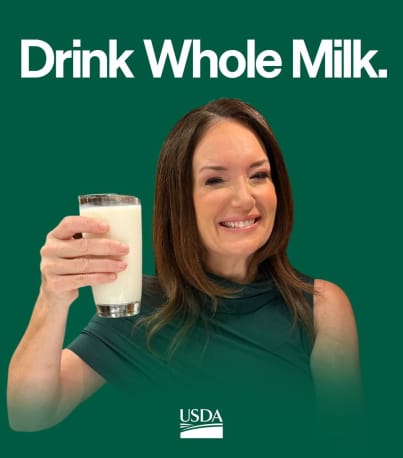 |
On May 8, U.S. Secretary of Agriculture Brooke Rollins announced that USDA has issued the final rule implementing the Whole Milk for Healthy Kids Act, restoring whole and 2% milk options in federal Child Nutrition Programs for children and adults ages 2 and older.
 |
“President Trump promised to Make America Healthy Again, and restoring whole milk to schools is a major step toward delivering on that promise,” Rollins said.
She continued, “For years, outdated federal rules kept nutritious whole milk off school menus, despite growing evidence showing the importance of healthy fats and nutrient-dense foods for child development. USDA is proud to implement the Whole Milk for Healthy Kids Act and give schools the flexibility to serve real, wholesome milk options that help children grow, learn, and thrive.”
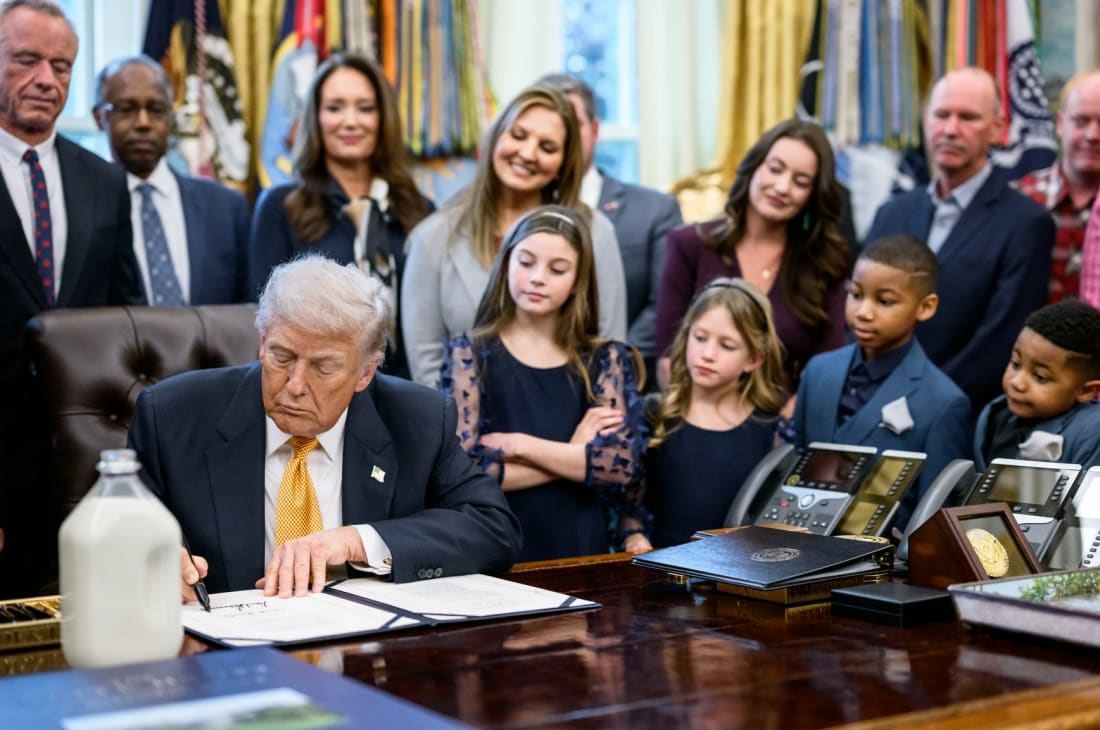
President Trump signed the act into law on January 14, 2026. Now, USDA’s final rule puts that policy into practice across school and child nutrition programs nationwide.
The rule does not require every school to carry whole milk. Instead, it allows schools and child nutrition providers to offer whole and 2% milk again as part of federal Child Nutrition Programs.
 |
“This bipartisan solution to school meals alongside the newly released Dietary Guidelines for Americans reinforces what families already know: nutrient dense foods like whole milk are an important part of a healthy diet,” said Rollins.
A New Direction for School Nutrition
For decades, federal school lunch rules limited children to low-fat milk options, based on outdated research and medical dogma that treated dairy fat as a threat. At the same time, school cafeterias continued serving refined grains, added sugars, seed oils, and ultra-processed foods — the same dietary offerings that have fueled America’s childhood chronic disease crisis.
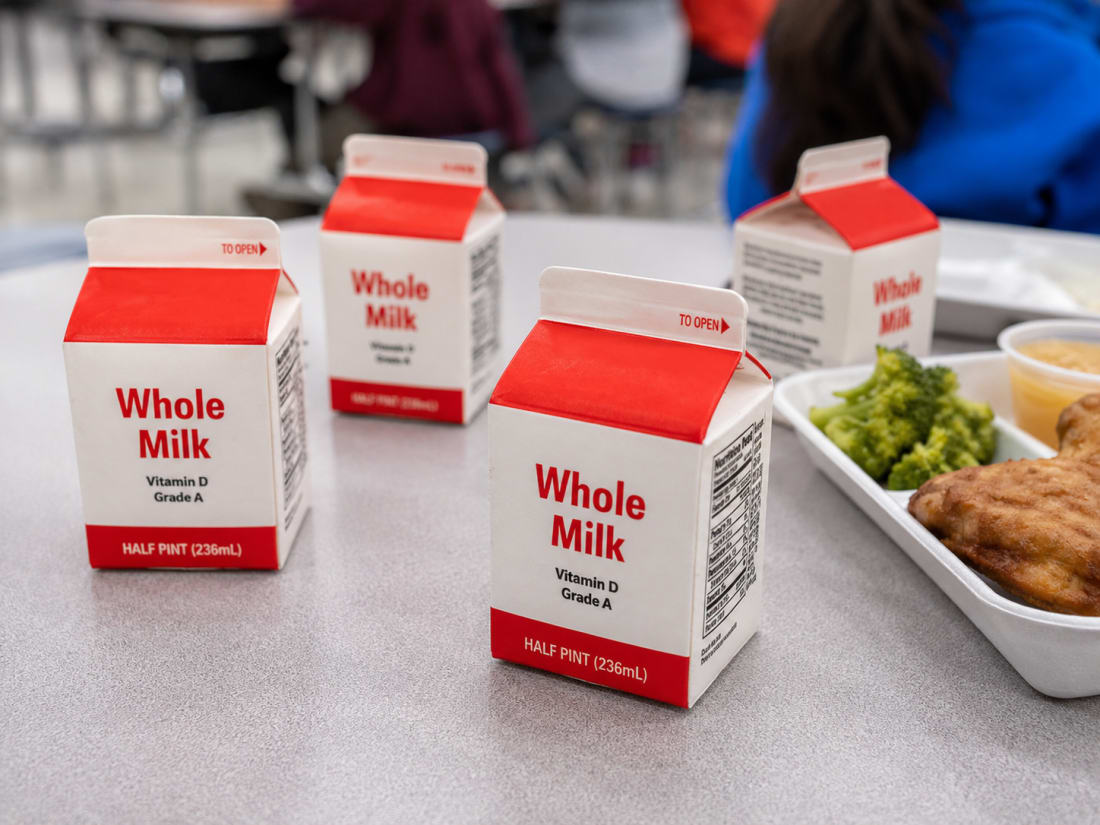 |
The whole milk rule begins to correct that imbalance. It is also one of the first practical signs of a broader nutrition reset taking shape under HHS Secretary Kennedy and Rollins. Earlier this year, the administration released the 2025–2030 Dietary Guidelines for Americans, which reintroduced full-fat dairy as part of a healthy diet. Now, with USDA’s final rule, that shift will begin to reach children in the school cafeteria.
Why This Matters for Children
Children are growing, learning, moving, and developing at a rapid pace. Their brains, bones, muscles, hormones, and immune systems all require real nourishment, including protein, minerals, fat-soluble vitamins, and healthy fats.
Whole milk dairy products provide protein, calcium, potassium, phosphorus, riboflavin, niacin, and vitamins A, D, and B12. They also provide zinc, selenium, iodine, niacin, and pantothenic acid, all essential nutrients for growing children’s bodies and brains. Whole milk is especially important for young children ages 1 to 10 because of its role in supporting energy needs, brain, and nerve development.
 |
For years, American families were told that the naturally occurring saturated fat in foods like milk increased disease risk. But as low-fat and fat-free products became standard in schools, children’s health worsened. Childhood obesity, diabetes, fatty liver disease, ADHD, and other chronic conditions continued to rise. Whole milk’s return will not solve the childhood health crisis by itself, but it does represent a meaningful step in the right direction.
A Win for Farmers and Families
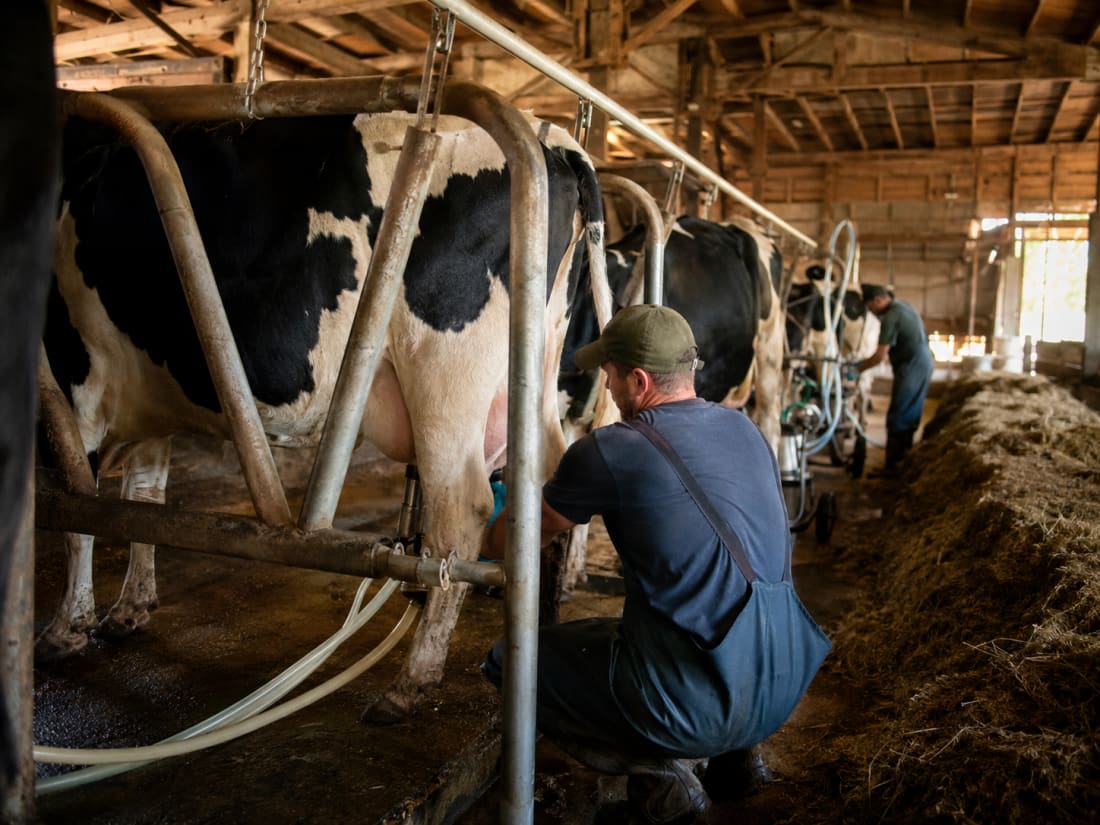
The rule also matters for America’s dairy farmers, who have long argued that school milk restrictions reduced demand for foundational farm products and weakened the connection between children, schools, and agricultural food.
Dairy farms remain an important part of rural America, and school milk programs have historically served as a bridge between local food production and children’s nutrition. By restoring whole and 2% milk options, USDA is supporting both children and the farmers who produce one of America’s most familiar traditional foods.
 |
USDA says it is also continuing the multi-year process of updating school meal standards based on the latest Dietary Guidelines for Americans. In the meantime, the department says it is taking immediate action to increase access to real, nutrient-rich foods in schools and child nutrition settings, including local beef and locally grown foods.
For MAHA, the significance is real. The school cafeteria is where federal nutrition policy becomes part of a child’s daily life, and restoring whole milk as an option is one step toward bringing real food back to the center of that daily routine.
While the return of whole milk may not transform school nutrition overnight, but it marks a clear shift in federal food policy for children. After years of restricting healthy fats in school meals, USDA is now giving schools more flexibility to serve more nutrient dense food options that support children’s growth and strengthen the connection between families, schools, and American farmers.
The final rule does not force schools to serve whole milk, but it reopens the door after years of federal restrictions. For MAHA, that is the point: giving schools the freedom to put real food back within reach of children.
As Secretary Rollins stated, whole milk is “the right move for kids, for parents, and for America’s dairy farmers.”
Related Reading:


 | A guest post by
|
Thank you for subscribing to The MAHA Report
You can follow us at: TheMAHA_Report on X
You can also follow us at: MAHA Action on Facebook
If you want to support our work you can donate here: MAHA Action Website
Make America Healthy Again™ and MAHA™ are trademarks owned by MAHA TM LLC
| ||||||||||


