A politics-first issue on campaign-season burnout, China counterintelligence, U.S.-China leverage, public health trust, and Ukraine corruption scrutiny.
 Image via RedState Vance Says Quit Running for 2028 — and Puts Rubio Talk in Its PlaceSen. JD Vance gave one of the rare answers in politics that actually sounded like a grown man with a job: he’s not interested in spending the next two years shadowboxing for 2028 while the country’s dealing with real problems right now. He argued Americans are tired of politicians treating the public like a perpetual campaign audience instead of citizens who need results. Vance also addressed the constant parlor-game chatter about who’s “next,” including questions tied to Sen. Marco Rubio. The thrust was simple: the obsession with early jockeying is exactly what drains trust from voters, and it turns governing into theater. Whether you like Vance or not, he’s putting a finger on why the political class keeps losing the working public—people can smell ambition disguised as service. 🏛 Wade's Take: In business, if you spend two years polishing your resume instead of servicing the tenants, you lose the property. Same principle in politics. If Republicans want to keep the coalition Trump built, they need deliverables—energy costs down, border controlled, crime punished, and regulations cut—before they start handing out 2028 business cards.
📎 RedState
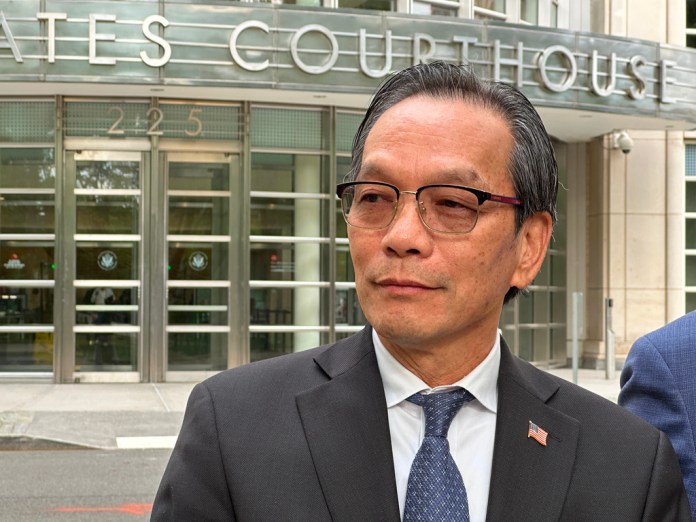 Image via Washington Examiner DOJ Convicts Man Accused of Running a Chinese Spy Outpost in ManhattanThe Justice Department won a conviction against Lu “Harry” Jianwang, a New York City resident, for operating what prosecutors described as a Chinese spy post out of a Manhattan office building. The case centers on acting as an illegal agent tied to the Chinese government—an allegation that’s become less “spy movie” and more “routine counterintelligence” in major U.S. cities. This conviction lands in a moment when Americans are finally waking up to what Beijing’s been doing for years: leveraging business ties, community organizations, and soft power networks to gather information and pressure dissidents abroad. Beyond the national security piece, it also raises uncomfortable questions about how easily hostile influence can operate inside the commercial fabric of our big cities—office space, nonprofits, cultural groups, and all the rest. 🏛 Wade's Take: If you think foreign espionage doesn’t touch everyday economics, you’re kidding yourself. It hits everything from tech competitiveness to university research to commercial real estate oversight and tenant due diligence. We should be treating Chinese influence operations like organized crime—investigate aggressively, prosecute publicly, and make the penalties hurt.
📎 Washington Examiner
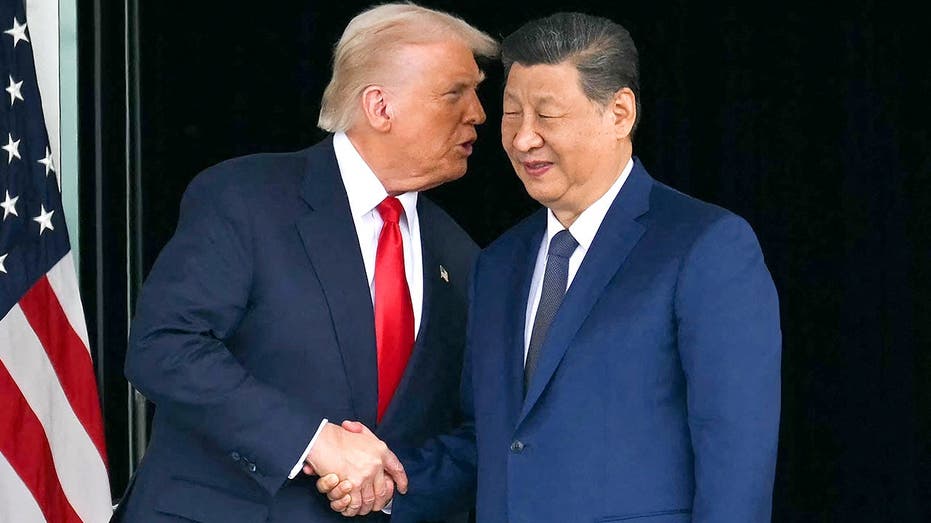 Image via Fox News (Opinion) Trump Meets Xi With Leverage — and America’s Finally Using ItAs President Trump meets with Chinese President Xi Jinping in Beijing, the argument from the administration’s allies is that the U.S. is showing up with real leverage: military posture, trade pressure, and a clearer willingness to say “no” instead of chasing hollow “reset” photo-ops. The view is that 16 months of positioning has strengthened America’s hand heading into a summit that will touch everything from tariffs to Taiwan to supply chains. Diplomacy with China isn’t about vibes; it’s about terms. Investors and business owners will be watching for signals on tariffs, export controls, rare earths, semiconductors, shipping lanes, and any détente that could loosen inflation pressures. But there’s also a risk in “summit culture”: markets can rally on headlines while the underlying competition stays just as sharp. 🏛 Wade's Take: I’m fine with talks—as long as they’re backed by strength and enforced with consequences. China respects power and contracts, not speeches. If Trump can lock in fairer trade terms and protect critical supply chains, that’s bullish for U.S. manufacturing and domestic capital investment—especially across the South where real plants and real payrolls live.
📎 Fox News (Opinion)
“Patient Zero” Hantavirus Story Is a Warning Shot for Public Health — and Public TrustBreitbart reports that “Patient Zero” for a hantavirus outbreak tied to the cruise ship MV Hondius was identified as a 70-year-old Dutch bird-watcher who reportedly visited a landfill before the ill-fated trip. The storyline is grisly but important: viruses don’t care about passports, politics, or vacation plans, and modern travel turns a local exposure into an international problem fast. The practical takeaway is that outbreak response still hinges on basics—tracking exposure, isolating properly, and communicating clearly. After the last decade of public-health messaging whiplash, institutions don’t get automatic trust anymore. That means transparency matters as much as medicine, because once the public thinks the “experts” are hiding the ball, compliance collapses and so does economic stability. 🏛 Wade's Take: Public health is real, but so is public accountability. Give people facts, not fear—clear risks, clear guidance, and no bureaucratic ego. The quickest way to protect the economy is to avoid the next round of panicked shutdown politics and get serious about early containment and honest communication.
📎 Breitbart
Ukraine Anti-Corruption Court Arrests Zelenskiy’s Ex–Chief of StaffReuters reports that Ukraine’s anti-corruption court arrested President Volodymyr Zelenskiy’s former chief of staff. The development is politically explosive because it cuts straight into the credibility question that’s hovered over Western aid: whether Ukraine can prove it’s cleaning house while asking taxpayers abroad—especially Americans—to keep writing checks. Anti-corruption actions can mean one of two things: either the system is finally working, or a factional knife fight is underway. Either way, it will intensify scrutiny in Congress and among U.S. voters who are tired of blank checks without measurable outcomes. Markets also pay attention—perceived instability affects European risk premiums, defense stocks, energy routes, and broader geopolitical confidence. 🏛 Wade's Take: If Ukraine wants long-term support, it has to show hard proof that money and power aren’t being siphoned off through insider networks. Americans aren’t obligated to fund a country that won’t police its own house. Real reform isn’t press conferences—it’s arrests, convictions, audits, and transparency you can verify.
📎 Reuters
Wade Lawson — keep your overhead low, your eye on the cash flow, and your politics rooted in reality. — Wade Lawson | 
