Each week, we'll share with you some of the most compelling numbers in our studies.
22 percent
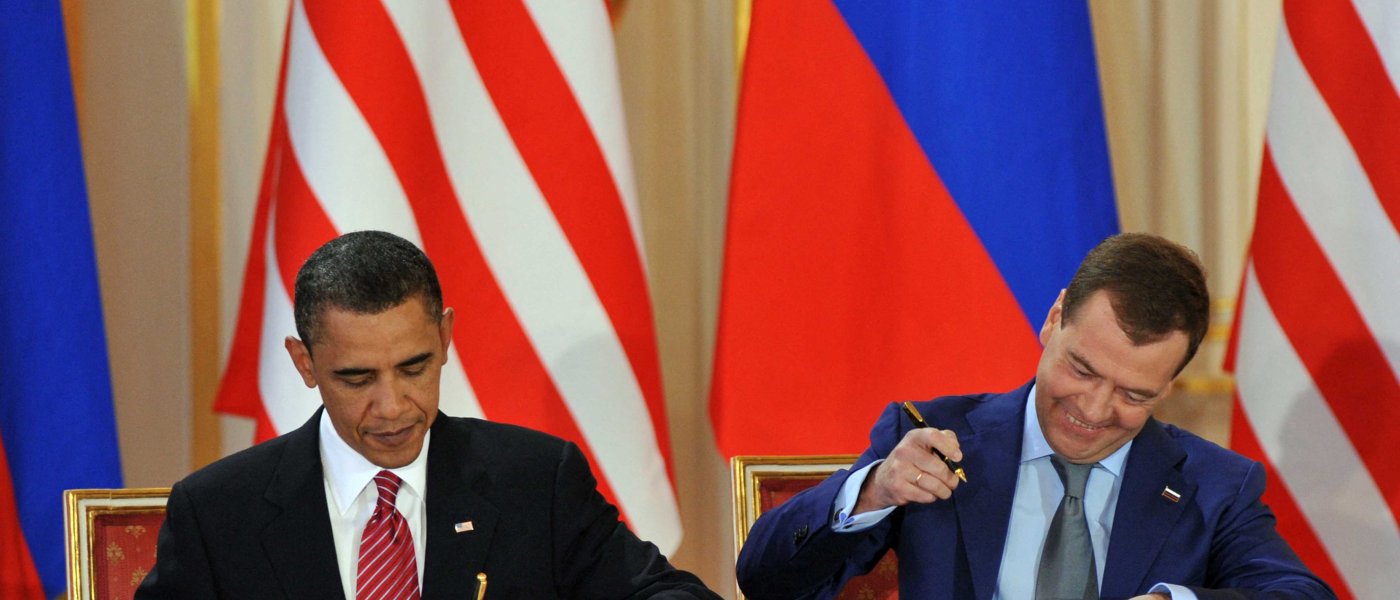
The end of New START on Thursday has prompted fears of a nuclear arms race. Since New START was signed in 2010, Russia has expanded its number of nuclear-capable systems by 22 percent.
SOURCE: "Three Truths About the End of New START and What It Means for Strategic Competition" by CSIS's Heather Williams.
5,800 percent
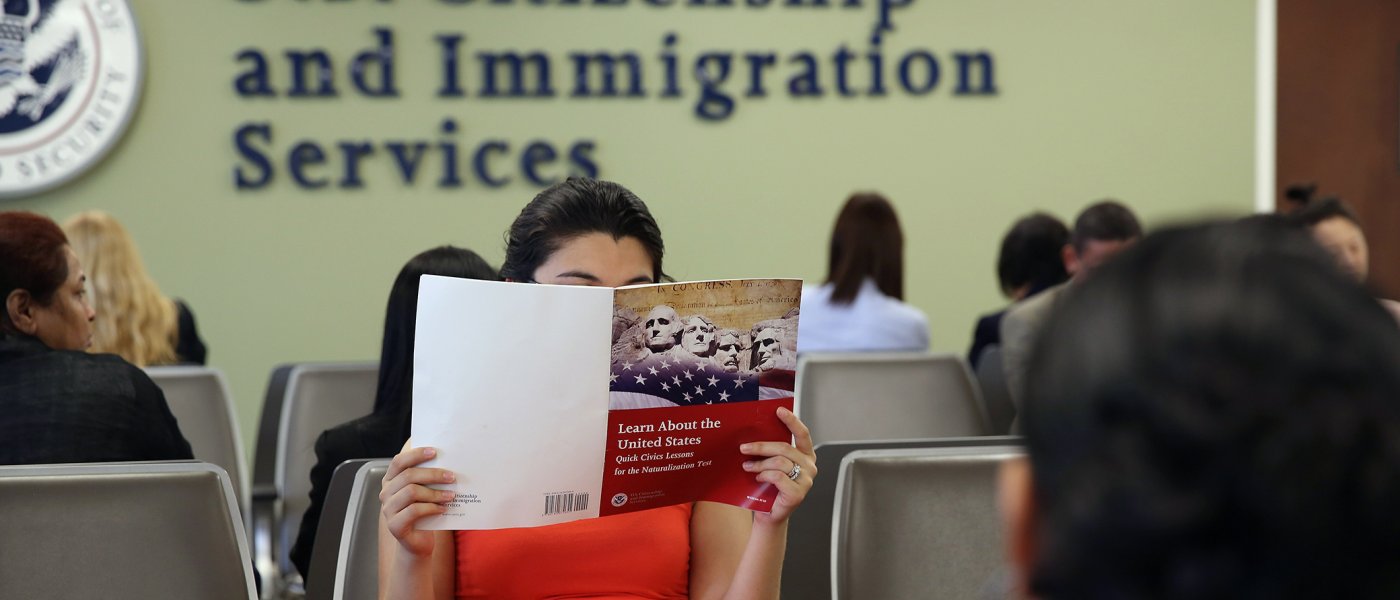
In September 2025, the White House imposed a $100,000 fee for new H-1B visas—a 1,500 to 5,800 percent increase over previous filing fees.
SOURCE: "Practical H-1B Reforms to Serve U.S. Economic Interests" by CSIS's Philip Luck and Thibault Denamiel.
$16.5 trillion
The digital market has become a central pillar of the global economy. Digitalization is projected to reach $16.5 trillion—17 percent of global GDP—by 2028.
SOURCE: "Where Sovereignty Meets Statecraft: South Korea’s Fairness Act and the U.S. Alliance" by CSIS's Philip Luck and Richard Gray.
10,000
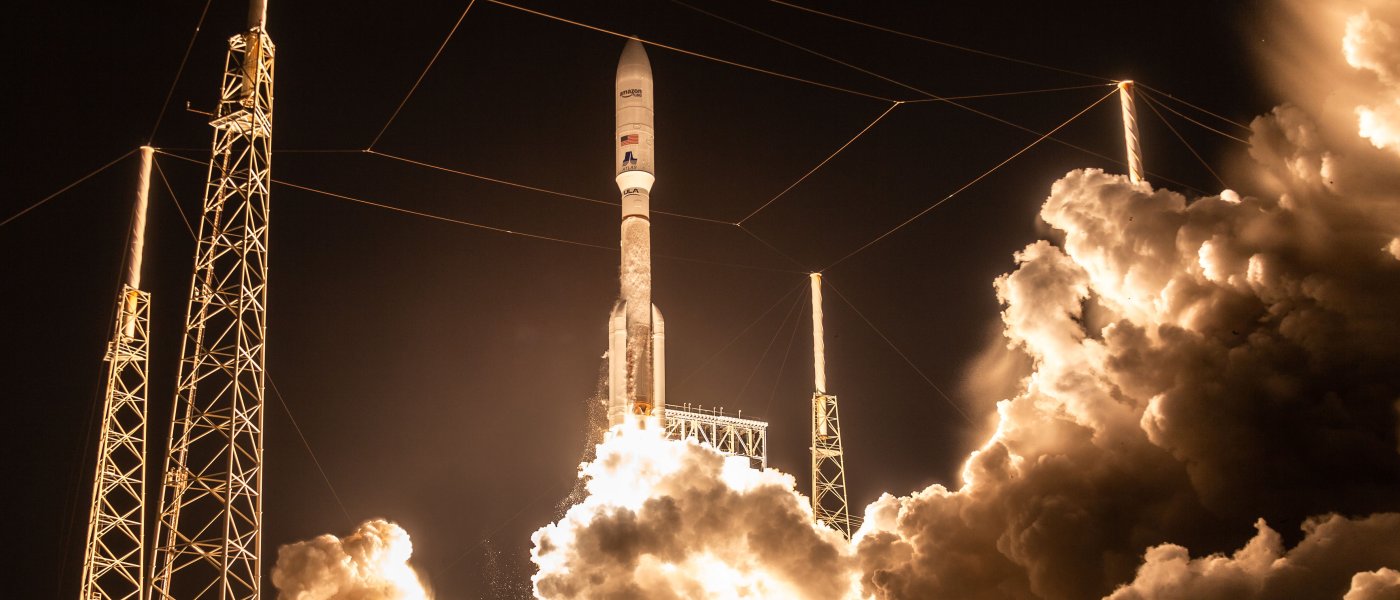
The low Earth orbit region of space is home to over 13,000 active satellites; more than 10,000 of those are U.S.-owned.
SOURCE: "Maintaining the Space Edge: Strategic Reforms for U.S. Dominance in Low Earth Orbit" by CSIS's Taylar Rajic, Lauryn Williams, and Matt Pearl.
By the Numbers is composed weekly by Lauren Adler and the External Relations team.
The Center for Strategic and International Studies (CSIS) is a bipartisan, nonprofit organization founded in 1962 and headquartered in Washington, D.C. It seeks to advance global security and prosperity by providing strategic insights and policy solutions to decisionmakers.