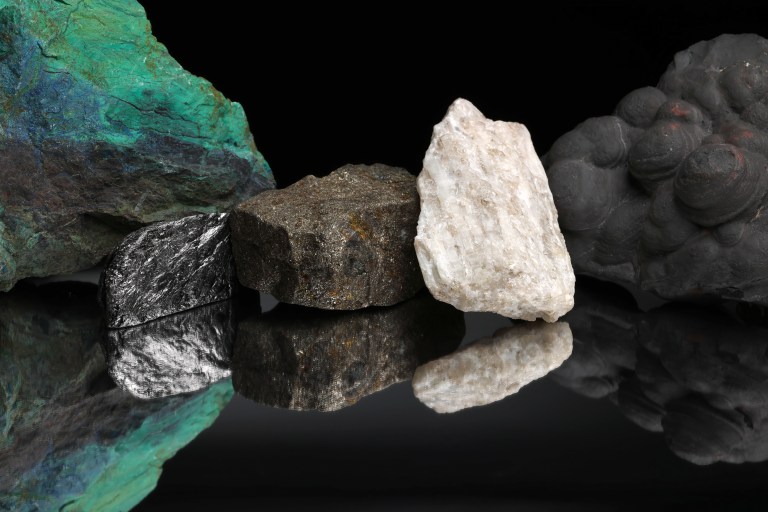
U.S. pitch on critical minerals. U.S. Vice President JD Vance proposed a new cooperative framework for critical minerals to dozens of partner countries at a Washington, DC meeting yesterday. He called on them to establish price floors for certain minerals and highlighted increased U.S. public and private investments in mineral projects worldwide. U.S. Trade Representative Jamieson Greer announced that the European Union, Japan, and Mexico had agreed to work with the United States to bolster critical mineral supply chains.
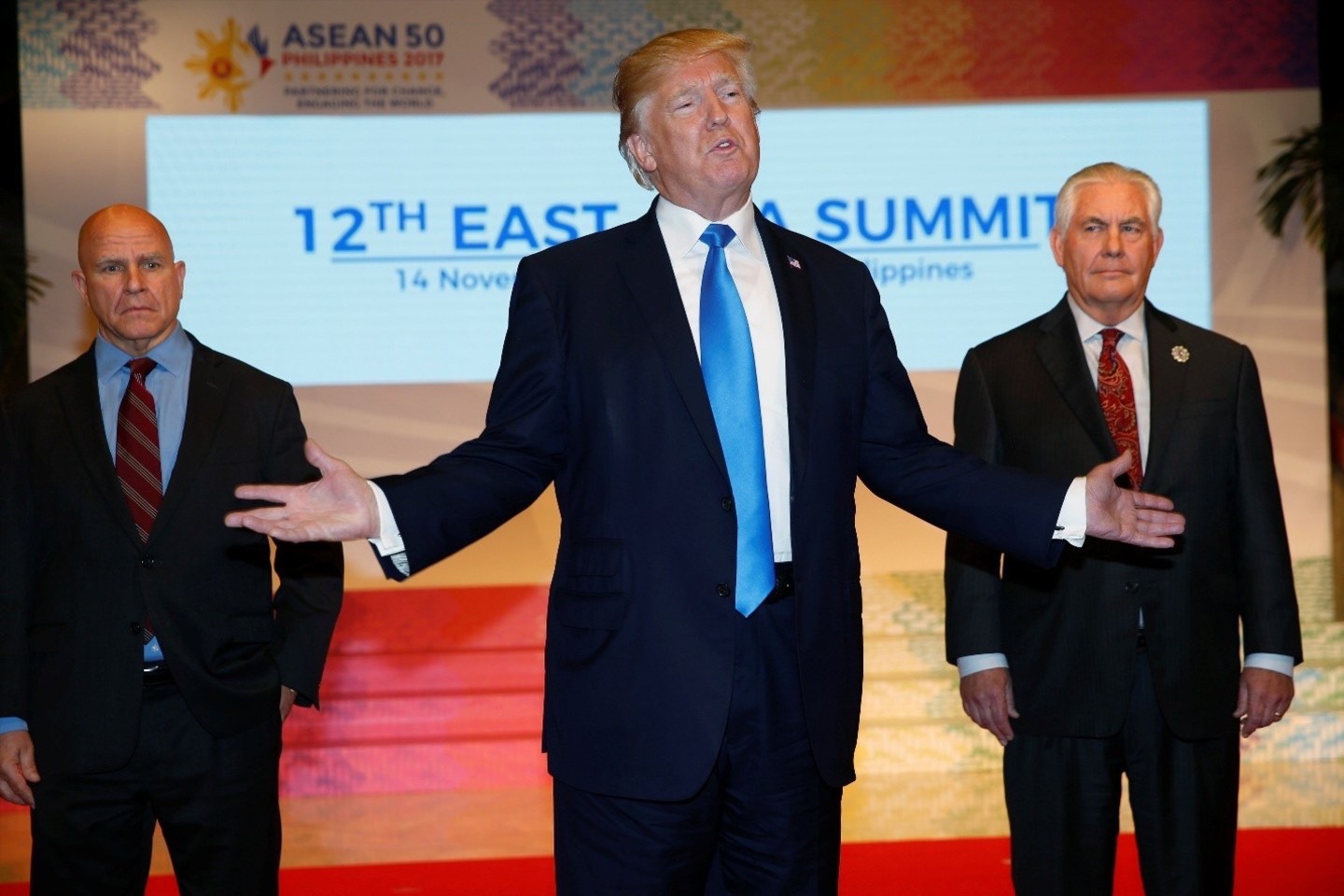
Trump-Xi call. Trump wrote on social media that he and Xi discussed Iran, Taiwan, and Chinese purchases of U.S. fuel and soybeans on a call yesterday. The Chinese readout of the call said Xi stressed that Washington’s position on Taiwan was “the most important issue” in U.S.-China relations and that the United States should handle arms sales to Taiwan “with prudence.” Trump wrote that both leaders understood the importance of maintaining a good relationship and that he would visit China in April.
ICE drawdown from Minneapolis. More than seven hundred federal immigration agents will depart Minneapolis following a recent enforcement surge and public backlash over two fatal shootings by immigration agents, White House border czar Tom Homan said yesterday. Homan said Trump sent him to Minneapolis to “de-escalate” the situation, adding the drawdown made the mission “more effective and more smart.” More than two thousand agents will remain deployed in the city.
France-Russia dialogue. A top diplomatic advisor to French President Emmanuel Macron visited Moscow for security talks on Tuesday with his Russian counterpart. Macron’s office said the talks were unfolding in consultation with Ukrainian President Volodymyr Zelenskyy. Earlier this week, Macron said preparations were underway for contact between him and Russian President Vladimir Putin.
Japan-Taiwan chip cooperation. The Taiwan Semiconductor Manufacturing Company announced it is selecting Japan as the first location outside Taiwan to produce 3-nanometer semiconductors, some of its most advanced models. Japanese Prime Minister Takaichi Sanae called the partnership a “model case” for Tokyo’s policy to boost strategic technologies.
Myanmar election concludes. Official results yesterday showed the military-backed Union Solidarity and Development Party won a parliamentary election from which major opposition parties had been banned. This was Myanmar’s first election since the 2021 military coup. Junta leader Min Aung Hlaing signed a law yesterday that could allow him to run a new governing council.
Nigeria’s anti-extremism push. The government announced a new military effort to contain the spread of extremism following a militant attack Tuesday in western Kwara state that killed more than 160 people. Amnesty International called the incident a “stunning security failure.” No group has claimed responsibility for the attack, but Nigeria’s president blamed militant group Boko Haram.
Germany-Gulf military ties. Germany aims to relax export controls on military equipment to “reliable cooperation partners” like Qatar and Saudi Arabia, Chancellor Friedrich Merz told reporters in Doha today. Germany had previously restricted some arms sales to Gulf countries over human rights concerns and Saudi Arabia’s role in Yemen’s civil war, but had already started relaxing some restrictions as it worked to bolster its defense sector following Russia’s invasion of Ukraine.