|
The Trump Administration's plan to limit how much graduate students can borrow in federal student loans has drawn bipartisan criticism, particularly for excluding nurses and other health care professional from higher borrowing limits.
Under the proposal, only students enrolled in programs deemed “professional” would be allowed to borrow up to $200,000 in federal loans over their lifetime and up to $50,000 per year. All other graduate students would face a much lower cap of $100,000 total and about $20,500 annually. The new limits stem from the One Big Beautiful Act, which eliminated the GRAD PLUS loan program and imposed lifetime borrowing caps for the first time. The changes are scheduled to take effect July 1, 2026.
The Department of Education (ED) released the One Big Beautiful Bill Act (OB3A) proposed rule on public inspection. As anticipated, unfortunately, this proposed rule does not include post-baccalaureate nursing in the definition of "professional degree" programs. The 30-day comment period is currently scheduled to begin on January 30, 2026. This rule is set go into effect in July.
The controversy centers on how the Department of Education has defined “professional” programs. An administration-convened panel proposed a narrow list that includes medicine, dentistry, pharmacy, veterinary medicine, optometry, osteopathic medicine, podiatry, chiropractic, law, theology and clinical psychology. Notably excluded are graduate nursing programs, physician assistant programs, physical therapy, public health, and several other advanced health degrees.
Health care organizations warn the policy could worsen existing workforce shortages by making it significantly harder for students to finance advanced training. Nursing groups argue the impact would be especially severe.
Programs for nurse practitioners, nurse anesthetists and doctoral-level nurses often exceed the proposed borrowing caps, with some nurse anesthetist programs costing more than $200,000. Lawmakers note that these professionals frequently serve rural and underserved communities where physician shortages are most acute.
More than 245,500 people have signed a petition from the American Nurses Association and allied groups urging the administration to add advanced nursing degrees to the professional list. Public health leaders have also raised alarms, warning that the restrictions could weaken the nation’s preparedness for future health crises.
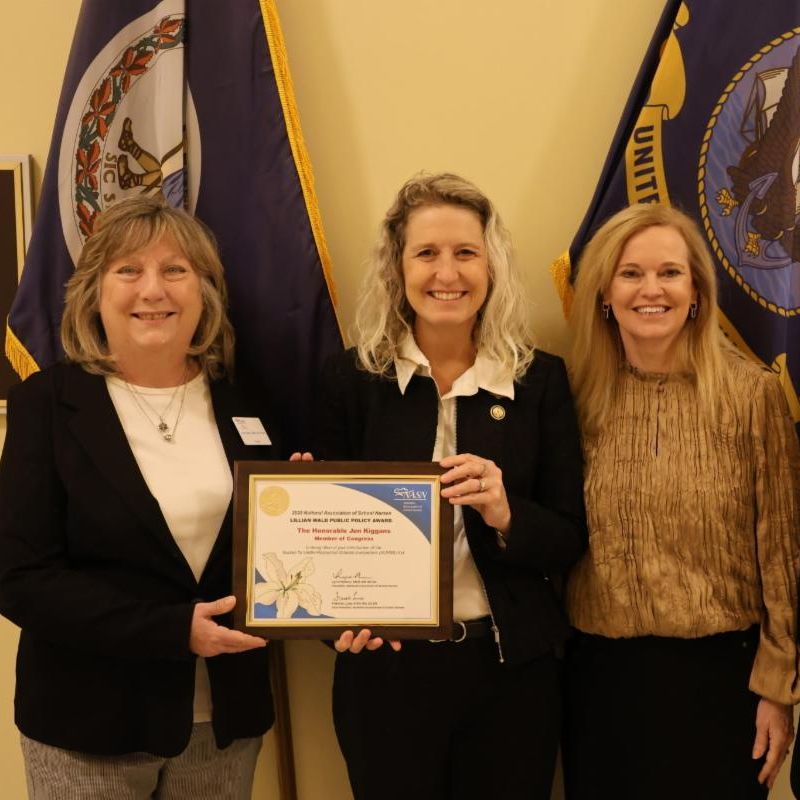
Congress has begun to weigh in. In December, more than 140 lawmakers from both parties — including at least a dozen Republicans — sent a letter urging the Education Department to classify nursing as a professional degree. The letter was led by Sen. Jeff Merkley (D-Ore.), Sen. Roger Wicker (R-Miss.), Rep. Suzanne Bonamici (D-Ore.) and Rep. Jen Kiggans (R-Va.), leaders of the Senate and House Nursing Caucuses.
Congresswoman Kiggans also sent her own letter. “At a time when our nation is facing a critical nursing shortage, we should make it easier — not harder — for the next generation of nurses to step forward,” said Kiggans, who is herself a nurse practitioner.
The Administration argues that the loan caps are necessary to rein in tuition costs and says most nursing students will not be affected because they are enrolled in bachelor’s or associate degree programs. An Education Department fact sheet claims 95% of nursing students fall outside the new restrictions. The department has also said it relied on examples from a 1965 financial aid law in defining professional degrees, adopting those examples as its full list.
For now, the Education Department says it has not finalized the rule and may revise it in response to public comments. Health care organizations say they are prepared to escalate pressure — including potential litigation — if the current definition stands.
What happens next could shape not only how future students pay for advanced degrees, but also the size and stability of the U.S. nurses and health care workforce for years to come.
Join NASN in urging Congress to tell the Department of Education to revise the proposed definition of “professional degrees” to explicitly include nursing.
The Nursing Community Coalition (NCC), will be hosting a webinar this Thursday, February 5, 2026, from 3:00 p.m.- 4:00 p.m. (ET) on the Department of Education's Notice of Proposed Rulemaking (NPRM) and public comment period. This webinar will outline the history of this rulemaking process, highlight next steps, showcase our coordinated approach, and equip attendees with tangible steps to take action and submit comments that highlight why nursing should be included under the professional degree designation. Register for the webinar here.
|