And Nat Geo is sending cameras onboard
| |
| |
|
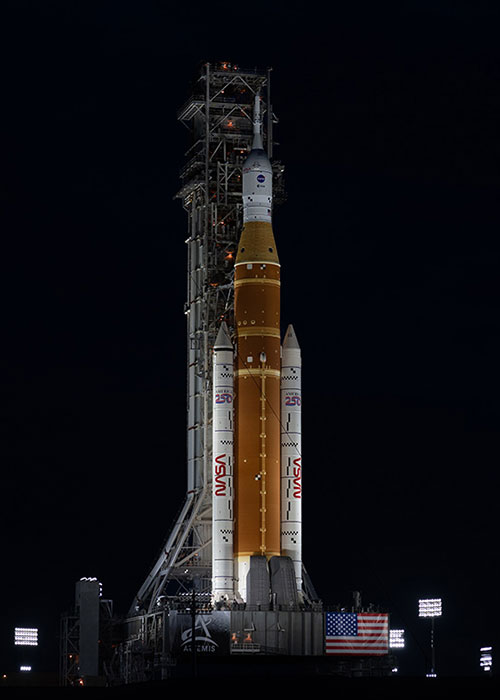
One hundred years from now, historians might look back on 2026 as the beginning of a new age of space exploration. For the first time since the end of the Apollo program, humans will travel beyond low Earth orbit—and NASA has invited National Geographic’s cameras on board for the journey.
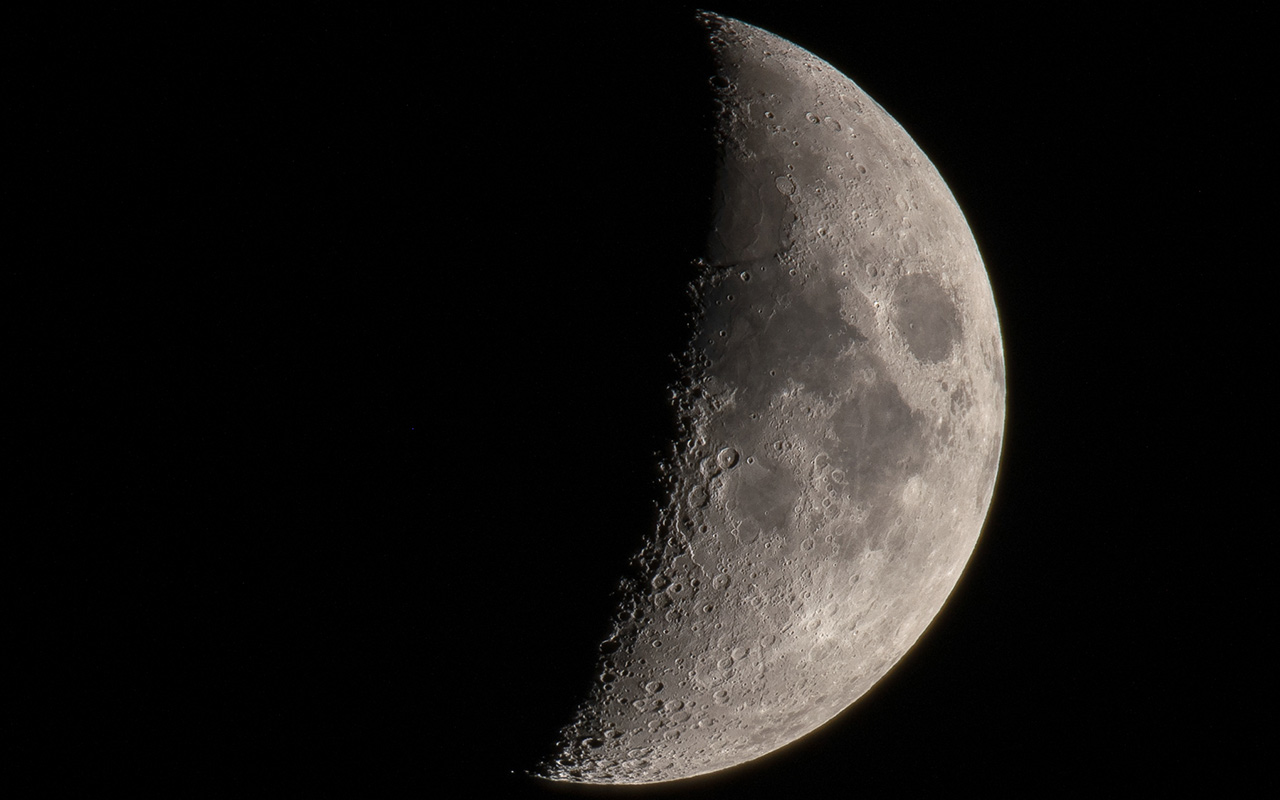
While the four astronauts on board the upcoming Artemis II mission are not landing on the moon, their journey around it—which will take them farther from the Earth than any humans have ever gone before—will test new technology designed for deep space travel and set into motion a series of increasingly audacious plans.
“Unlike Apollo, this time when we go to the moon we want to stay,” NASA’s Lori Glaze told National Geographic last year. “We want to be able to have a sustained presence on the moon. We want to be able to go back over and over again for years, really learn how to live and work in this environment.”
As Artemis II aims to the sky, here on the ground, people have been building toward that future. Scientists are designing the next generation of moon rovers to traverse the lunar surface (which National Geographic recently got to test-drive), thinking up ways to turn the moon into a gas station for missions to Mars or beyond, engineering plans for moon encampments, and designing force field shields to repel toxic moon dust to protect humans and machinery from catastrophic damage.
|
|
|
|
|
But it all starts with Artemis II. Aboard, the crew will take part in experiments testing how deep space impacts human physiology. Mid-flight, they could become the first humans to see nearly all of the far side of the moon illuminated. Upon reentering Earth’s atmosphere, they’ll be traveling around 25,000 miles per hour—potentially beating a top-speed record set during Apollo 10.
And National Geographic has trained the astronauts to capture stunning moments for all of you in photo and video, up close and intimate. When the crew returns, we’ll see what they captured. |
|
|
|
|
|
The first launch window is set to open Feb. 8. The exact date will be set pending results from a “dress rehearsal” today of key systems.
Before then, check out our new Artemis II hub for stories about the mission, what it means for the people working on it, and the future of humanity as a spacefaring people.
We’ll update the hub throughout and after the mission with new stories. We’ll have photos and videos from the launch, an interactive graphic showing the path of the mission and the technical details of the rocket, a feature on the future of space food (which might actually taste good!), and a few things, if we manage to pull them off, that might take your breath away.
|
|
|
|
|
|
| |
| | | |
|
| | | | | | |
|
Clicking on the Facebook, Instagram, and National Geographic Channel links will take you away from our National Geographic Partners site where different terms of use and privacy policy apply.
|
|
|
This email was sent to: [email protected]. Please do not reply to this email as this address is not monitored.
This email contains an advertisement from:
National Geographic | 1145 17th Street, N.W. | Washington, D.C. 20036
Stop all types of future commercial email from National Geographic regarding its products, services, or experiences.
Manage all email preferences with the Walt Disney Family of Companies.
© 2026 National Geographic Partners, LLC, All rights reserved. |
|
| | |
|
|
|