|
 |
From Vapes to Felonies: What Investigators Actually Found Inside North Carolina Vape Shops
What Started With Kids in the ER Led Deputies to Weapons, Terror Watch Lists, and Foreign Money
|
| |||||||||||||||


When law enforcement in eastern North Carolina began investigating vape shops, they were not looking for terrorists.
They were responding to worried parents.
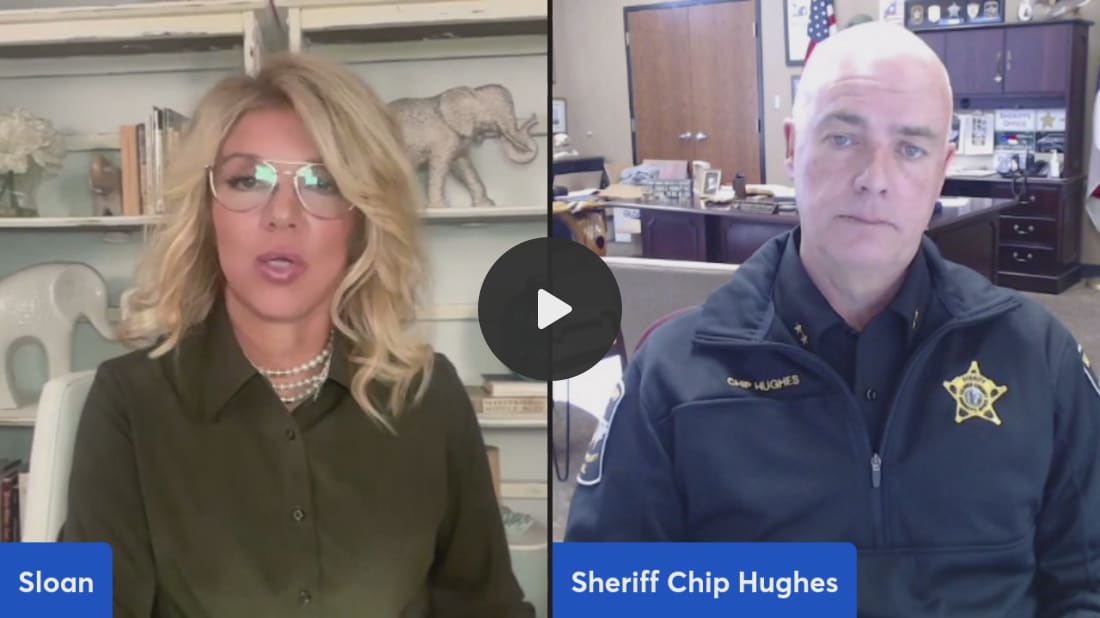
According to Craven County Sheriff Chip Hughes, the investigation began more than four years ago after family members walked into his office carrying vape devices and edible products their teenage children had purchased from local stores. Those children, as young as thirteen, ended up in emergency rooms suffering from overdoses and extreme reactions to unregulated THC products .
That was the starting point.
What investigators uncovered next had little to do with vaping and everything to do with crime.
Hughes says vape shops in Craven County quickly revealed themselves as hubs for a wide range of illegal activity. Deputies found unregulated products imported from overseas with unknown ingredients, drug paraphernalia openly sold alongside nicotine devices, and counterfeit merchandise violating trademark laws.
In some cases, stores were selling contact lenses that are illegal to sell without professional licensing.
That was just the beginning.
As investigations expanded, law enforcement identified illegal gaming operations, repeated Alcoholic Beverage Control violations, and felons working inside stores—some with firearms, which is against state and federal law.
These were not isolated incidents. They were patterns.
And patterns matter.
“We weren’t guessing,” Hughes said. “We were documenting.”
Financial records raised further concerns.
Investigators discovered large amounts of U.S. currency being transferred overseas, including to Yemen, in connection with many of the vape shops they examined. In several cases, proprietors were identified as appearing on federal terrorist watch lists. Some of the stores operated within close proximity to military installations, including Marine Corps Air Station Cherry Point in Havelock .
That shifted the scope of the investigation.
What had started as a local public-health concern became, in Hughes’ words, a matter of public safety and national security.
North Carolina has seen similar cases before, including prior federal investigations involving cigarette smuggling and terror financing. Vape shops, investigators say, have emerged as a newer and less regulated vehicle for the same kinds of schemes.
This was not a one-day crackdown.
Craven County spent years building cases to shut down operations that could not be prosecuted on narcotics charges alone. Officers often used counterfeit enforcement, gaming laws, and ABC regulations. The strategy proved effective. Multiple stores were closed, operators prosecuted, and networks disrupted.
Quietly.
The results drew attention. Hughes says the investigator overseeing the vape-shop enforcement unit has since been sent across North Carolina to train other sheriffs’ offices and police departments on how to conduct similar investigations.
That detail is important.
Craven County’s findings were not dismissed as anomalies, but taken seriously by other law-enforcement agencies.
For Hughes, the message is straightforward: vape shops were not targeted because they sell vapes. They were targeted because evidence showed they were being used as storefronts for broader criminal activity that directly harmed children and families.
Investigating vape shops was not about optics.
It was about what investigators actually found once they looked inside.
You're currently a free subscriber to NC Political Tea. For the full experience, upgrade your subscription.
| ||||||||||

