Image

Daily News Brief

January 30, 2026

Welcome to CFR’s Daily News Brief. Today we’re covering Europe’s new penalties over Iran’s protest crackdown, as well as...

  • Trump’s nominee to lead the Federal Reserve
  • A British drugmaker’s investment in China
  • A White House threat to tariff countries selling oil to Cuba


Top of the Agenda

The European Union (EU) announced new sanctions on Iran and designated its paramilitary guard a terrorist organization, the latest global pushback to Tehran’s crackdown on anti-regime protesters. More than six thousand people are confirmed to have been killed in countrywide demonstrations since the end of December, the U.S.-based Human Rights Activists News Agency said this week. Estimates from the Iranian government are lower, at about three thousand deaths. After initially threatening military action earlier this month over the crackdown, U.S. President Donald Trump later expanded those threats and tied them to demands for a deal on Iran’s nuclear program. 


The EU’s moves. The EU sanctioned fifteen senior officials and six organizations in Iran for actions like surveilling and censoring online protest content. Meanwhile, the designation of Iran’s Islamic Revolutionary Guard Corps as a terrorist group puts its officials under travel controls and other punitive actions and aligns Brussels with others who have done the same, including the United States and Canada. The head of the European Parliament’s delegation for relations with Iran called the move a “long-overdue political signal that massive violence and transnational repression will no longer go unanswered,” while Iran’s top diplomat said it was a “strategic mistake.” 


The threat of conflict. Though the United States has deployed an aircraft carrier strike group to the Middle East, Trump told reporters yesterday he had been speaking to Tehran in recent days and that “it would be great” if military action could be avoided. Countries including Turkey and the United Arab Emirates have pressed for mediation, with Turkey hosting Iran’s foreign minister today. Amid the threats of military escalation, several airlines canceled flights in the Middle East this week.


“What makes [the latest] protests in Iran different from recent uprisings is the combination of an economic crisis at home, disillusionment with the foreign policy choices made by the leadership, mismanagement of the country, and the growing aspirations of its people.”

—CFR President Michael Froman, The World This Week


The Importance of Fed Independence

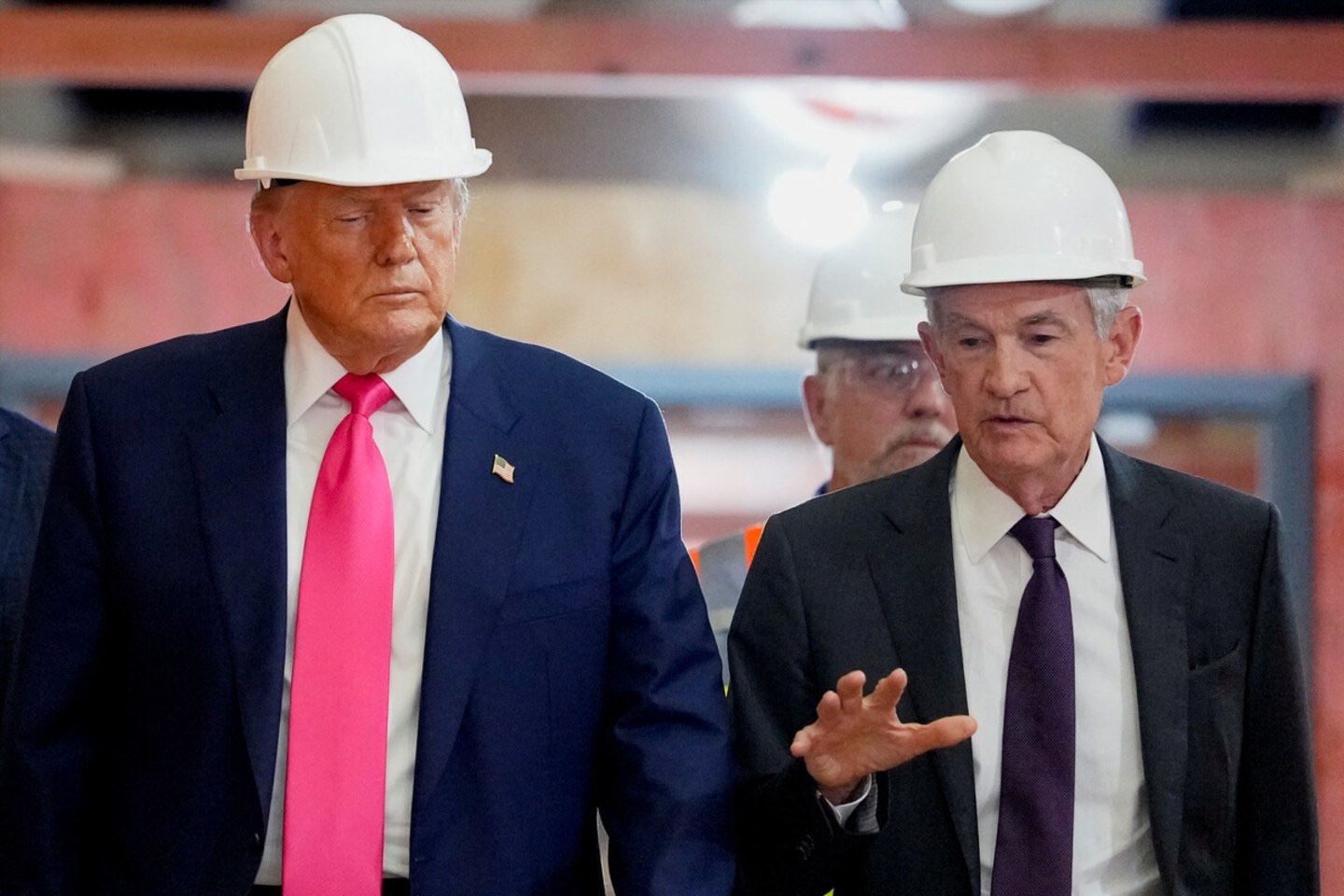
Donald Trump and Fed Chair Jerome Powell walk through the Federal Reserve building on July 24 as it undergoes renovations.

Kent Nishimura/Reuters

The Federal Reserve’s independence remains central to the strength of the U.S. economy and the global standing of the U.S. dollar, CFR Distinguished Fellow Roger W. Ferguson, Jr. and CFR’s Maximilian Hippold write in this Expert Take. 


Across the Globe

Trump’s Fed chair nominee. Trump nominated former Federal Reserve Governor Kevin Warsh today to succeed chair Jerome Powell, whose term ends in May. Warsh also previously served as an advisor to President George W. Bush. During his tenure at the Fed, he frequently argued for keeping interest rates high to stamp out inflation and was part of the bank’s response to the 2008 financial crisis. In recent months, he has publicly endorsed rate cuts. 


Reported pause in Ukraine strikes. Trump said yesterday that Russian President Vladimir Putin had agreed to suspend attacks on some Ukrainian cities for a week due to extreme cold weather, following a personal appeal. Ukrainian President Volodymyr Zelenskyy wrote on social media that the matter had been discussed during last week’s Abu Dhabi talks. The next round of direct talks is scheduled for this weekend in Abu Dhabi, though Zelenskyy said the situation in Iran could delay them.


Cuba threat designation. Trump declared in an executive order yesterday that Cuba’s policies are an “unusual and extraordinary threat” to the United States and authorized tariffs on goods from any country selling oil to the island nation. Cuba’s previous main suppliers, Mexico and Venezuela, have paused shipments. Data company Kpler estimates that oil shortages could plunge the country into sharp rationing in a matter of weeks. 


AstraZeneca’s China investment. The British pharmaceutical giant will invest $15 billion in China through 2030, it announced yesterday as Prime Minister Keir Starmer visited Beijing. The visit also yielded cooperation agreements in areas like agriculture, law enforcement, and financial services, with China slashing tariffs on British whiskey. 


Tariffs on Canadian planes. Trump announced yesterday he would decertify all Canadian planes and threatened to impose 50 percent tariffs on any sold to the United States, due to Canada’s failure to certify multiple types of U.S. jets. There are more than five thousand Canadian aircraft in regular use in the United States; unnamed industry officials told the New York Times that federal regulators had clarified to them that Trump’s directive referred only to new aircraft. 


Food aid in Afghanistan. The United Nations and the Asian Development Bank announced a $100 million food aid program for Afghanistan yesterday in response to a deepening hunger crisis in the country. Around 2.5 million Afghans have been repatriated to the country from Iran and Pakistan over the past year as international aid budgets sagged. A UN World Food Program official said Afghanistan experienced its largest-ever rise in malnutrition last year.


Panama ruling on canal. Panama’s supreme court ruled yesterday that a contract allowing a Hong Kong company to operate two ports on the Panama Canal was unconstitutional. The ruling followed a government audit of the contract that began after Trump called for reducing Chinese influence in the canal last year. Hong Kong’s government criticized the ruling and urged its companies to review their investments in Panama. 


European nuclear stance. European countries are in early talks about establishing a shared nuclear umbrella to complement their existing security agreements with the United States, German Chancellor Friedrich Merz told reporters yesterday. Germany is banned from developing its own nuclear weapon as part of agreements signed during the Cold War and German reunification. Those agreements do not prevent such discussions with allies like the United Kingdom (UK) and France, which have nuclear weapons. 


The AI Bubble Is Getting Closer to Popping

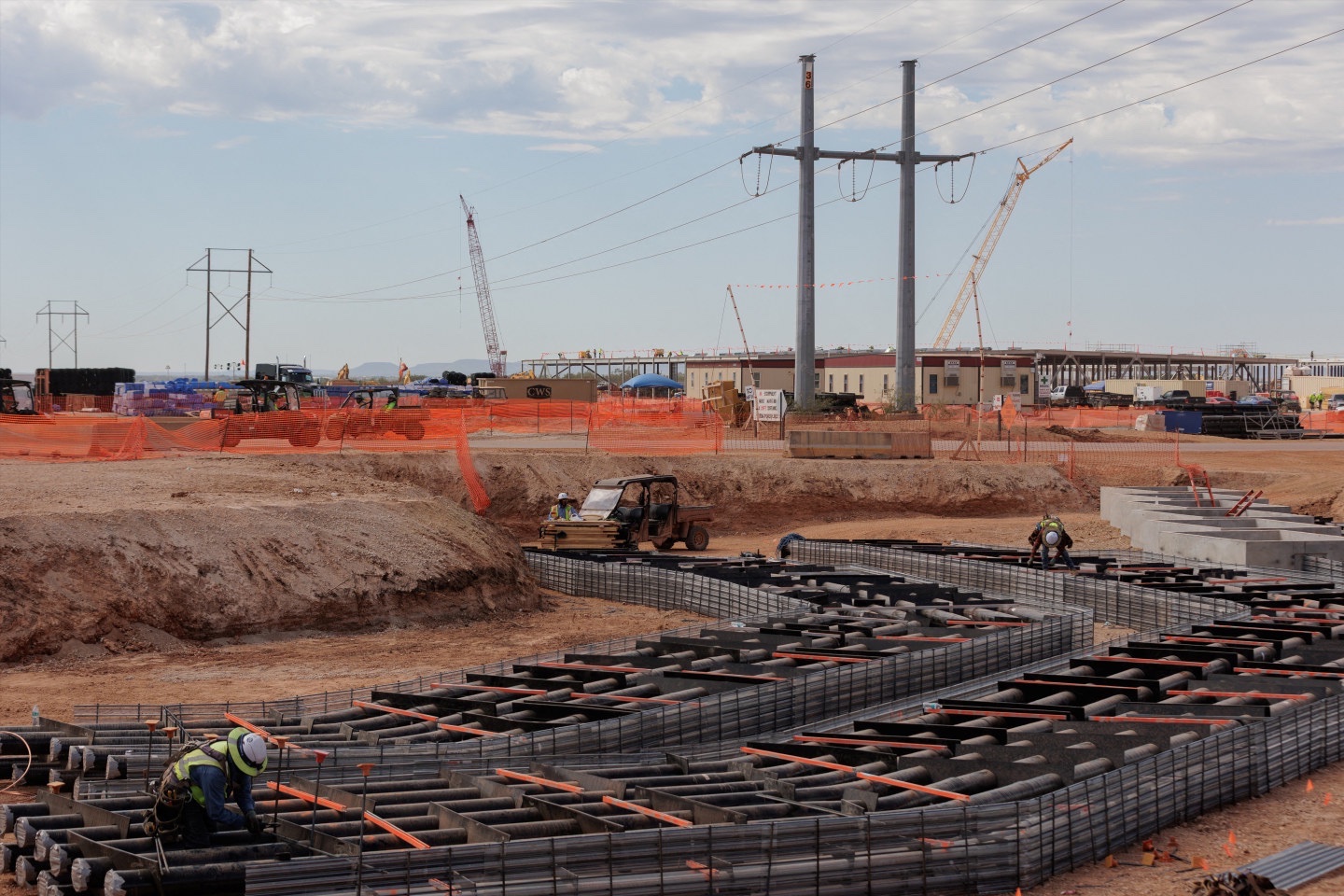
Conduits for fiber to connect superclusters of data centers are under construction during a tour of the OpenAI data center in Abilene, Texas, U.S., September 23, 2025.

Shelby Tauber/Reuters

Today, the Trump administration’s tariffs and immigration policies are a big part of what’s holding back U.S. artificial intelligence (AI) models and companies, CFR Senior Vice President Shannon K. O’Neil writes in this Expert Take.


What’s Next

  • Tomorrow, Starmer visits Japan. 

  • Sunday, Israel will reopen the Rafah border crossing between Gaza and Egypt. 

  • Sunday, Costa Rica holds presidential and legislative elections.


How Russia Sees Trump’s Transatlantic Disruption

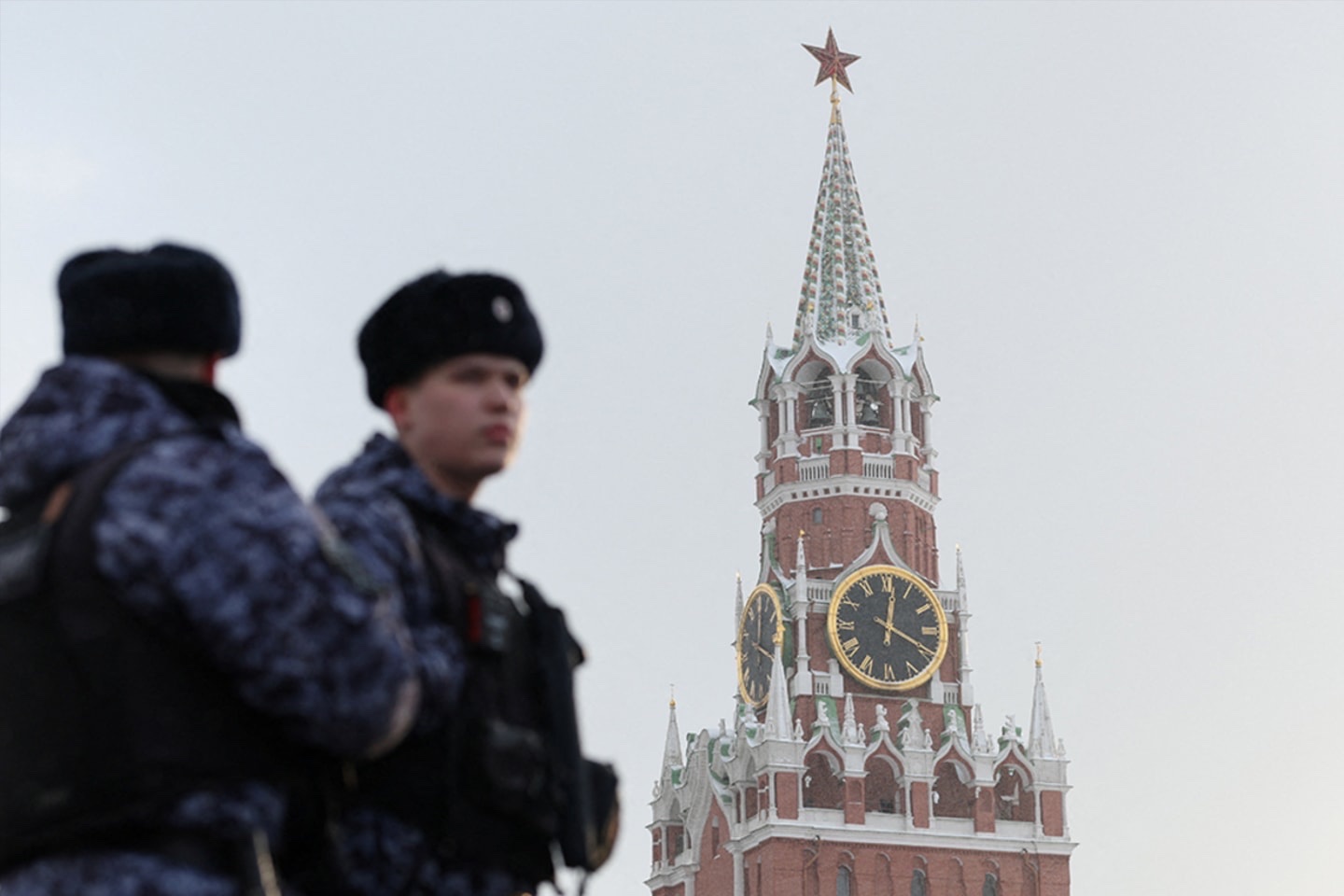
Russian law enforcement officers stand guard near the Spasskaya Tower of the Kremlin in central Moscow, Russia, December 29, 2025.

Ramil Sitdikov/Reuters

The Kremlin sees U.S.-Europe tensions over Greenland as a possible help to achieving its long-sought goal of weakening NATO, but the Trump administration has also frustrated Russian plans for Ukraine and other fronts, CFR Distinguished Fellow Thomas Graham writes in this Expert Take.


Council on Foreign Relations

58 East 68th Street, New York, NY 10065

1777 F Street, NW, Washington, DC 20006

Was this forwarded to you? Subscribe to the Daily News Brief

FacebookTwitterInstagramLinkedInYouTube

Manage Your Email Preferences

View in Browser