Image

Daily News Brief

January 29, 2026

Welcome to CFR’s Daily News Brief. Today we’re covering U.S. Secretary of State Marco Rubio’s testimony on Venezuela policy, as well as...

  • British Prime Minister Keir Starmer’s visit to China
  • Upgraded ties between the European Union (EU) and Vietnam
  • Guinea’s sanctions relief from a West African bloc


Top of the Agenda

Rubio laid out U.S. plans to closely supervise part of Venezuela’s economy and oversee a gradual political transition in the country in Senate testimony yesterday. It constituted some of the most detailed public accounting of U.S. strategy in the country since its military operation to capture Venezuelan President Nicolás Maduro earlier this month. Rubio downplayed the possibility of further U.S. military action given the high level of cooperation from interim authorities. While Washington hopes to see free elections in Venezuela in the future, he said, a democratic transition would “take some time.” Rubio met separately with Venezuelan opposition leader María Corina Machado later in the day. 


The details. The United States continues to exert influence over Venezuela’s oil resources through a naval quarantine and is beginning to market the country’s oil for international sale. In the short term, authorities led by interim President Delcy Rodríguez will submit a monthly budget to Washington outlining how they intend to spend proceeds from the U.S.-directed sales, Rubio testified. Early statements from the interim authorities have outlined using the money to buy medicine and equipment from the United States, he added. 


Separately, Rubio said censorship in the country was beginning to loosen, allowing “different voices inside of Venezuelan politics” to speak out. Machado said after meeting with Rubio yesterday that Venezuelans should be assured that change is on the way.


Congressional reactions. The U.S. military intervention in Venezuela has already sparked congressional efforts to limit President Donald Trump’s war powers, with resolutions to do so narrowly failing in the Senate and House of Representatives earlier this month. While some Democratic lawmakers during yesterday’s hearing questioned the scope and legality of the White House’s plans for Venezuela, Republicans largely supported them. 


“In Venezuela, the United States is asserting control for the first time over another country’s petroleum resources…This venture has more echoes of centuries past than the one ahead. Nineteenth-century imperial powers routinely extracted resources from colonies they conquered by military force.”

—CFR Senior Fellow David M. Hart in an Expert Take


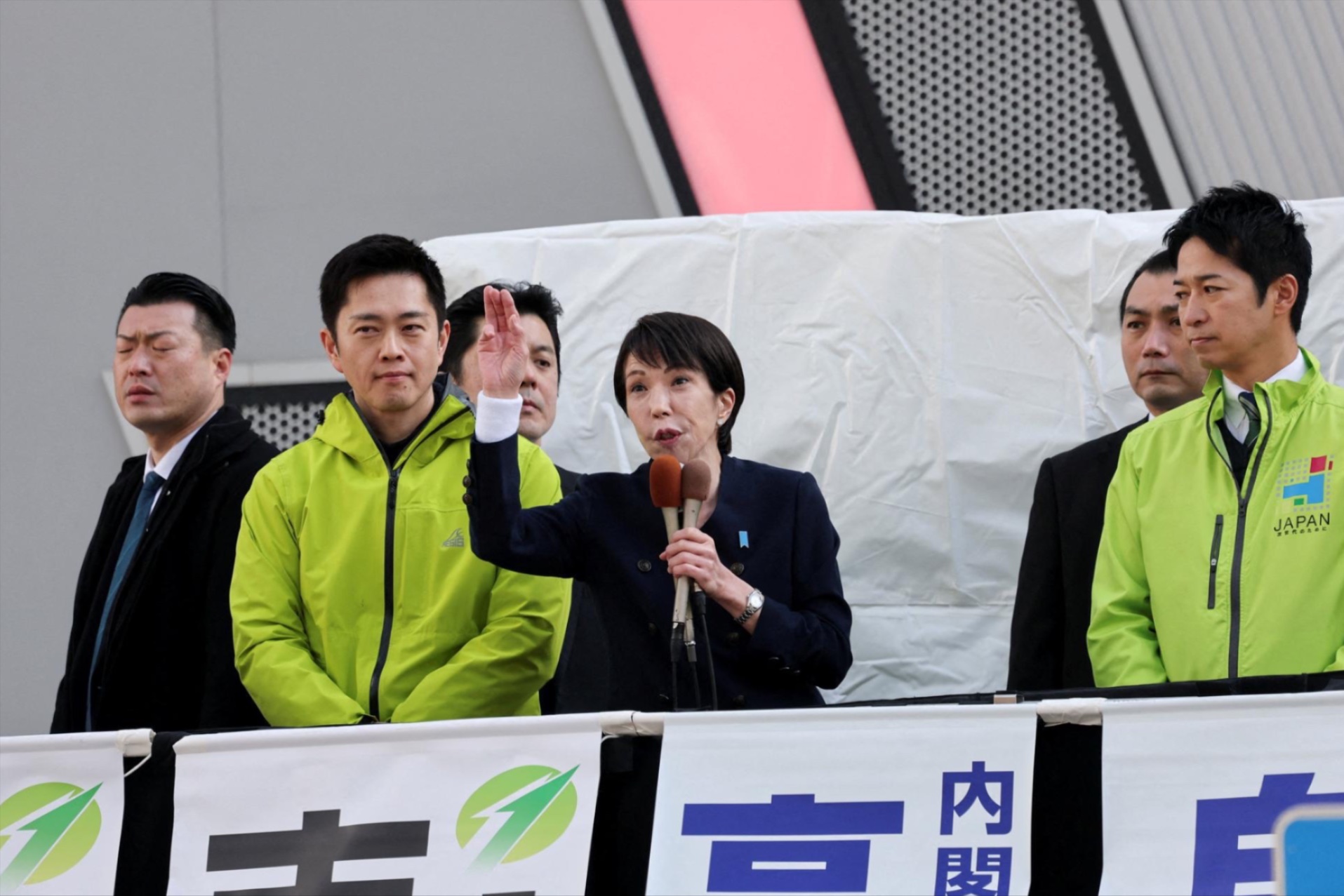
Political Realignment and Japan’s Election

Japanese Prime Minister Takaichi Sanae at an election campaign event in Tokyo, Japan, January 27, 2026.

Kim Kyung-Hoon/Reuters

While the last two elections proved Japan’s ruling Liberal Democratic Party had fallen out of favor with voters, Prime Minister Takaichi Sanae is betting she can repair that erosion of confidence, CFR Senior Fellow Sheila A. Smith writes for Asia Unbound.


Across the Globe

Starmer in Beijing. Citizens of the United Kingdom (UK) will be able to travel to China for thirty days without visas as part of a new cooperation initiative between the two countries, Starmer announced in Beijing today. It marks the first visit to China by a UK prime minister since 2018. The UK aims to cultivate a “more sophisticated” relationship with the country given China’s “vital” role in international affairs, Starmer said.


EU-Vietnam partnership. Brussels and Hanoi upgraded their relationship to a comprehensive strategic partnership during a visit to Vietnam today by European Council President António Costa. The label is Vietnam’s highest diplomatic ranking and until now had been reserved for partners like China, Russia, and the United States. The EU has had a trade deal with Vietnam, its largest trade partner in Southeast Asia, since 2020.


Guinea sanctions relief. The Economic Community of West African States announced yesterday it had lifted sanctions on Guinea imposed after a 2021 coup. It cited the conclusion of Guinea’s December presidential elections as the reason for the policy change. Multiple opposition candidates were banned from participating in that vote, which saw former junta leader Mamady Doumbouya elected president. 


Switzerland’s military spending. The country announced plans yesterday to increase defense spending by roughly $40 billion beginning in 2028, citing a “more volatile and insecure” world. Authorities said they would fund the increase through a sales tax hike. The plan is projected to raise Switzerland’s defense spending to up to 1.5 percent of GDP. 


Immigration agents on leave. Two federal immigration agents involved in the fatal shooting of Alex Pretti in Minneapolis Saturday have been placed on leave, the Department of Homeland Security said yesterday. Following backlash to the killing, Trump said Tuesday the government would slightly “de-escalate” its immigration enforcement surge in Minneapolis, without providing further details. 


South Korean first lady convicted. For the first time, the country’s judiciary yesterday convicted a former first lady of corruption. Kim Keon Hee, wife of ousted President Yoon Suk Yeol, was found guilty of accepting luxury goods in exchange for government favors. She denied the allegations ahead of the ruling, but said afterward she would accept the verdict. She was sentenced yesterday to twenty months in prison. Meanwhile, Yoon was recently convicted in a separate trial for charges related to his 2024 declaration of martial law.


Turkey’s anti-espionage sting. Government security forces detained six people accused of spying for Iran after raids in multiple parts of the country yesterday, state broadcaster TRT reported. The crackdown comes as Turkey tries to position itself as a mediator between Washington and Tehran in a bid to avoid U.S. military action against Iran. Iran’s foreign minister is due to visit Turkey tomorrow.


The Fed holds. For the first time since July, the U.S. Federal Reserve decided yesterday to hold interest rates steady rather than slash them. Though Trump has urged the central bank to reduce borrowing costs, Fed Chair Jerome Powell cited an economy that “surprised us with its strength,” including through signs of stabilization in the labor market. 


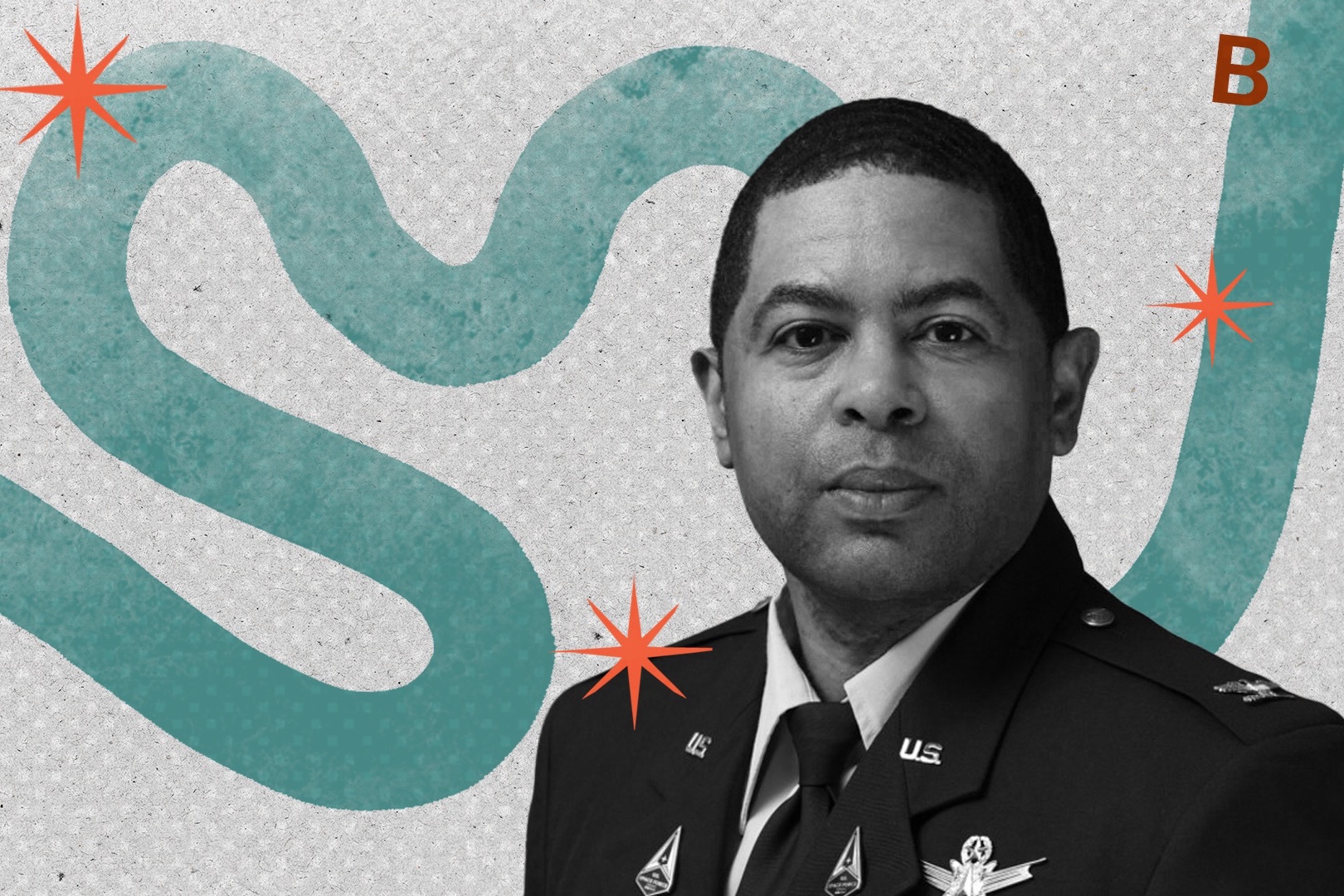
The Intersection of Space Operations and Diplomacy

Corey L. Trusty.

Photo Collage by Lucky Benson

A childhood love of space, and university studies in the sciences, led to a career that touched on U.S. space policy and high-level strategy work, Military Fellow Corey L. Trusty told CFR’s Ivana Saric in this article.


What’s Next

  • Today, United Arab Emirates President Mohamed bin Zayed Al Nahyan visits Moscow.

  • Today, an Association of Southeast Asian Nations (ASEAN) foreign ministers meeting concludes in the Philippines.

  • Tomorrow, the U.S. government faces a midnight deadline to avoid another shutdown.


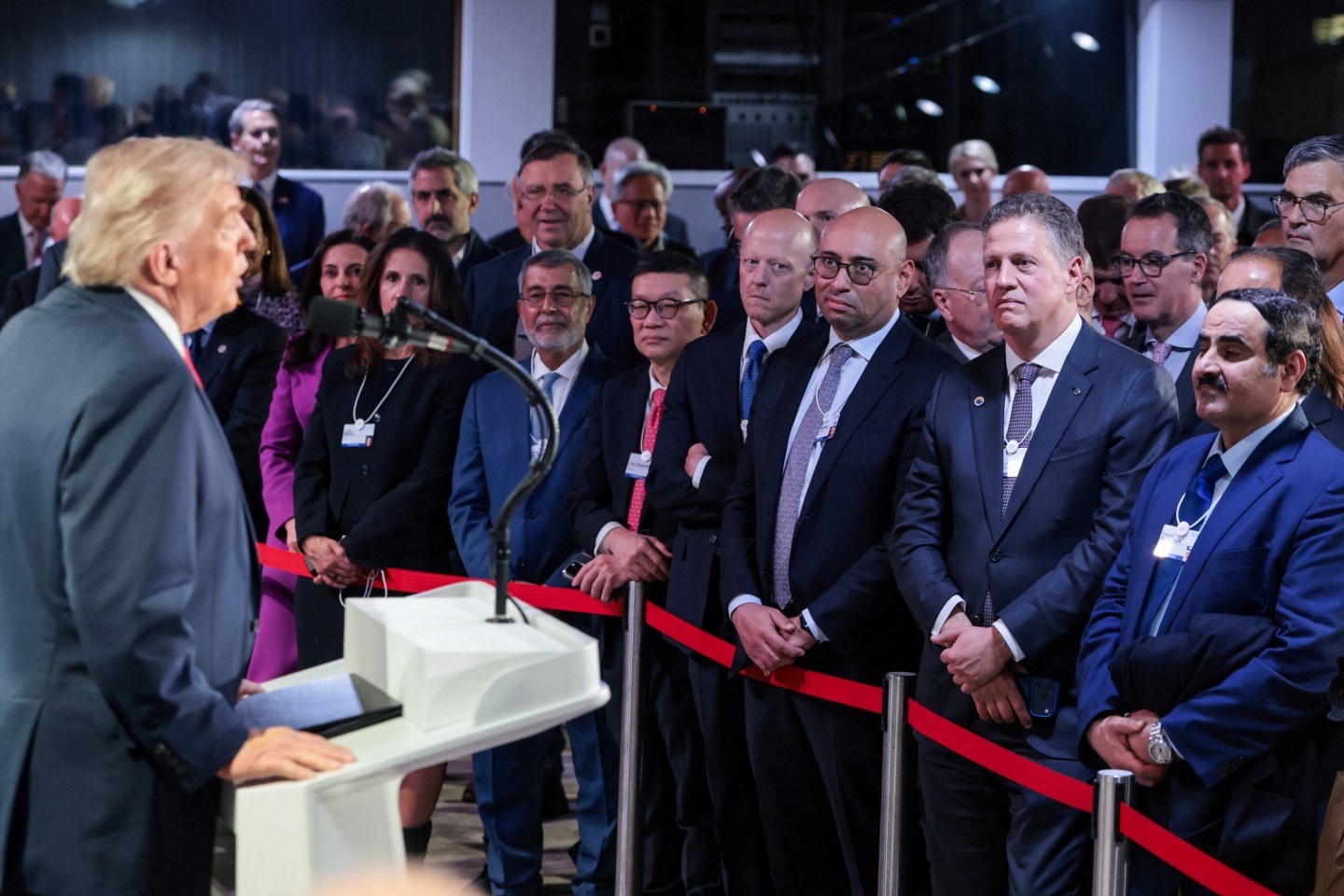
How Political and Business Leaders Perceive the United States

Attendees listen to President Donald Trump speaking during a reception with business leaders, at the 56th annual World Economic Forum (WEF), in Davos, Switzerland, on January 21, 2026.

Jonathan Ernst/Reuters

As a new year kicks off, CFR sought anonymous perspectives from public and private sector leaders outside the country for a frank discussion about recent U.S. policy actions. CFR Senior Fellow Rebecca Patterson rounds up their impressions in this article. 


Council on Foreign Relations

58 East 68th Street, New York, NY 10065

1777 F Street, NW, Washington, DC 20006

Was this forwarded to you? Subscribe to the Daily News Brief

FacebookTwitterInstagramLinkedInYouTube

Manage Your Email Preferences

View in Browser