|


I’ve been thinking a lot about anger lately.
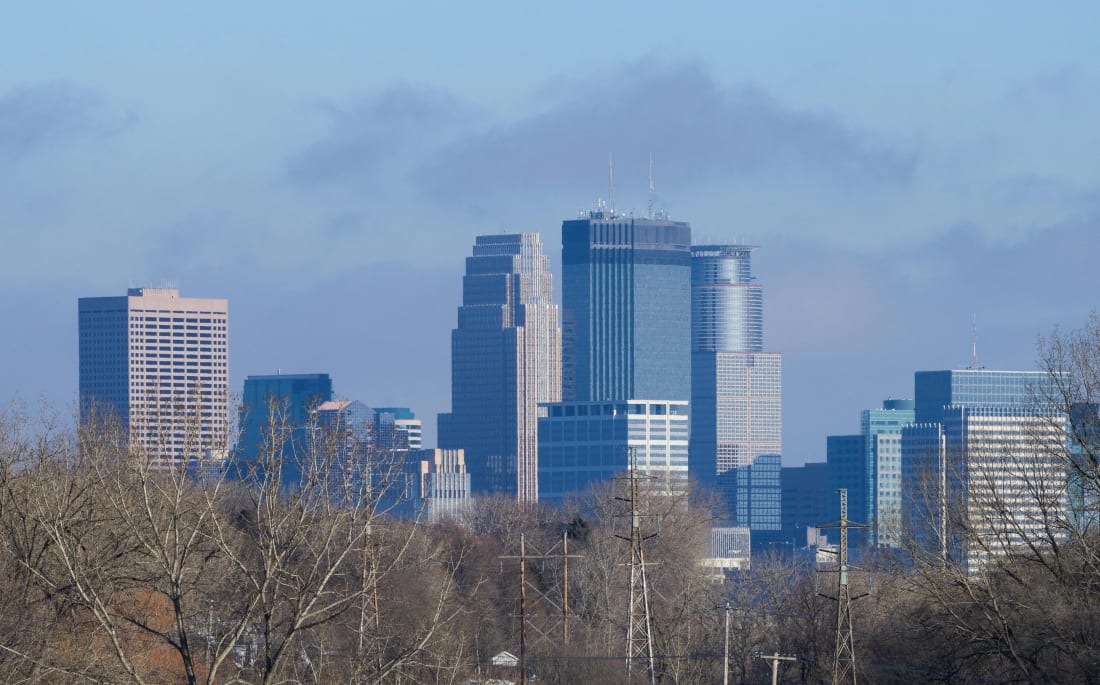
Not whether it’s justified. It is. If you’re paying attention to what’s happening in this country, anger is a pretty normal response. People are being hurt. Power is being abused. Accountability feels optional depending on who you are. With the eyes of the world on Minnesota, there’s no doubt that many of us are filled with fear and anger.
The harder question is what we do with that anger once we have it.
Because there’s a difference between anger that sharpens you and anger that corrodes you. And somewhere along the way, we started confusing cynicism with wisdom. We started treating detachment as sophistication and indifference as insight.
Leadership—at least the kind that I know to be effective—requires holding anger and hope in the same hand without dropping either. That’s harder than it sounds.
 |
Staying Human When the Work Gets Ugly
No one comes into public life expecting it to be easy. But most people don’t expect how quickly the work can start pulling at who you are.
You’re surrounded by conflict. You see bad behavior rewarded. You watch as tragedy in cities like Minneapolis is turned into a political narrative without the accountability communities are demanding. You hear the same justifications repeated often enough that they start to sound reasonable. Over time, it becomes tempting to lower your expectations. To harden yourself. To tell yourself that this is just how it works.
That’s when the job starts changing you, quietly.
When I interviewed Rep. Robert Garcia on At Our Table, he said something that cut against that instinct: “I’m going to fight for what I believe in, but I consider myself a pretty nice person.”
That’s not a throwaway line. It’s a choice.
Being “nice” in this context doesn’t mean avoiding confrontation or pretending everything is fine. It means not letting the work strip away your basic decency. It means remembering that power isn’t an abstract exercise. It lands on real people—whether it’s the family of Renee Good, the friends mourning Alex Pretti, or anyone trying to live their daily life instead of being turned into a political prop.
Kindness doesn’t stop you from fighting. It just changes how you fight and whom you’re fighting for.
Anger Is Honest. Cynicism Is Lazy.
Anger can be productive. It can push you to act. It can drive people into the streets to demand answers after a federal agent’s bullet takes another life. Anyone who has ever tried to change something that matters knows that anger has a role.
Cynicism is different.
Cynicism tells you everyone is full of it, so none of the work really matters. It lets you disengage while still feeling superior. It gives you a reason not to try too hard because trying and failing would hurt more than pretending nothing works anyway.
Cynicism is convenient.
Rep. Garcia put his finger on this tension when he talked about working with people he strongly disagrees with. “I have a lot of anger… but when it comes to actually being in Congress, I try to be agreeable because I know I have to work with people.”
That’s not about being polite for its own sake. It’s about getting something done.
Cynicism feels sophisticated, but it’s lazy. It explains the problem and then washes its hands of it. And when communities in Minnesota and beyond are asking for transparency and justice, turning away from the work isn’t just lazy. It’s dangerous.
Leadership requires something harder. It requires believing the system is deeply flawed without deciding it’s beyond repair.
Holding anger and hope at the same time is uncomfortable. It forces you to stay engaged when it would be easier to check out. But dropping either one comes with a cost.
Leadership Isn’t Performance
A lot of people mistake being loud for being effective.
The angriest voice in the room gets attention. The sharpest line becomes the next viral clip. The most extreme take travels the furthest. None of that guarantees results.
Real leadership is usually quieter than we expect. It’s preparation. It’s follow-through. It’s sitting through meetings you’d rather skip. It’s working with people you don’t like because the alternative is paralysis.
Oversight doesn’t work if it’s just theater. Accountability doesn’t happen because someone went viral. It happens because someone did the boring work and stuck with it. Because someone read the documents, asked the follow-up questions, and kept showing up after the story moved on.
That kind of leadership doesn’t always look impressive in real time. It rarely makes for clickable headlines. But so many Americans feel the absence of it when our institutions fail, and our trust in government collapses.
What We Should Be Demanding
The question isn’t whether leaders feel angry.
It’s whether they let that anger turn into cynicism.
And it’s not just a question for people in office. It’s one for the rest of us, too.
Every day, we make choices about what we reward. Whom we amplify. What we excuse. What we dismiss as “just politics.” Those choices add up. They shape the incentives leaders respond to and the standards they believe they’re being held to.
If we reward volume over judgment, outrage over follow-through, and cruelty over care, that’s what we’ll keep getting. If we confuse being loud with being effective, we shouldn’t be surprised when very little actually changes.
Leadership that holds anger and hope at the same time is harder to spot. It doesn’t always make for great clips. But it’s the kind worth backing because it’s the only kind that does the work without burning everything down along the way.
You’re currently a free subscriber to Jaime’s Table. For the full experience, upgrade your subscription.
| ||||||||||

