|
A society of violent spectacle
What is the perverse allure of nationally-televised homicides in Minnesota? Through our screens and tablets, death is not really death. Violence is noble. And life is best lived by proxy.
|
| |||||||||||||||


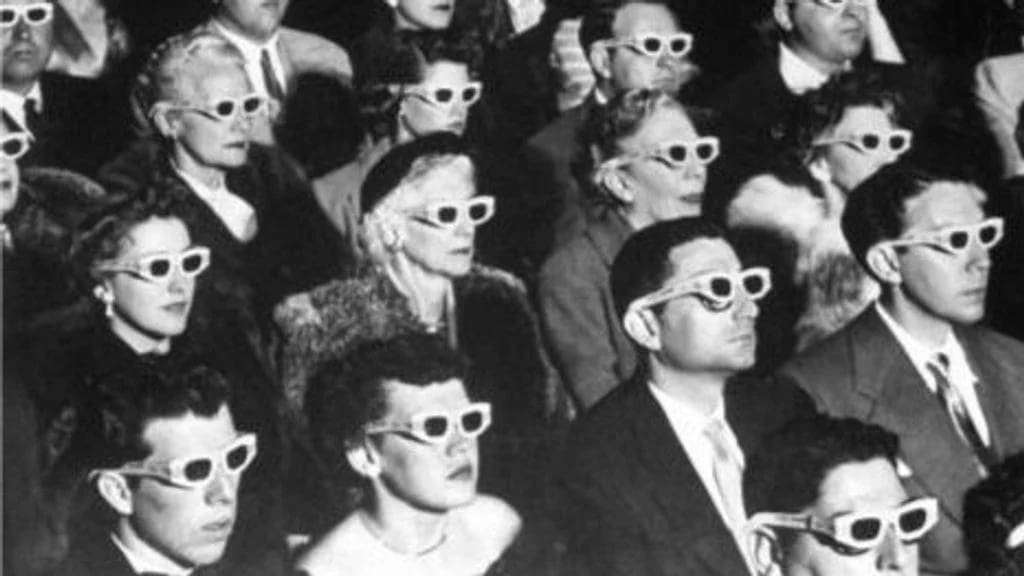
“We live in a spectacular society, that is, our whole life is surrounded by an immense accumulation of spectacles. Things that were once directly lived are now lived by proxy. Once an experience is taken out of the real world it becomes a commodity. As a commodity the spectacular is developed to the detriment of the real. It becomes a substitute for experience…sometimes we are the commodity and sometimes the consumer.” — Lawrence Law, Images and Everyday Life¹
1.
I learned of the violent killing of Renee Good through a text message from a friend, followed up with a frenetic barrage of videos from different angles of a woman being shot in the face three times, then drifting off, in a moving car, and seemingly crashing into a light pole.
My friend, K, immediately expressed outrage and demanded (or so his words made me feel) a reaction or response. I made a mistake that is all too easy to make in a tense political atmosphere. I jumped immediately into the legal and governmental ramifications.
I said that I wasn’t surprised; given the extreme rhetoric in both parties, this was bound to happen soon. And that while it was a homicide, I couldn’t tell from the videos that it was murder; it could be, you know, self defense. Plus, qualified immunity, supremacy clause, prosecutorial discretion, blah blah blah, and, in addition, I stressed: blah.
I went straight into LAWYER mode or, perhaps worse, FORMER CONGRESSIONAL CANDIDATE mode, and forgot, along the way, to be a human being.
K was not impressed. It’s a sign of good fortune to have friends who hold you accountable to the minimum competency test of not being a dick. I was failing it.
2.
It began to dawn on me that I was consumed by concepts, totally numb to reality: a federal officer had killed a woman. Renee Good was dead — and here, I thought also of Charlie — the entire country watched the life go out of her body on social media.² I felt a bit nauseous, so I tried to look up a picture just to connect with something, anything, less digital. More human.
I found this:
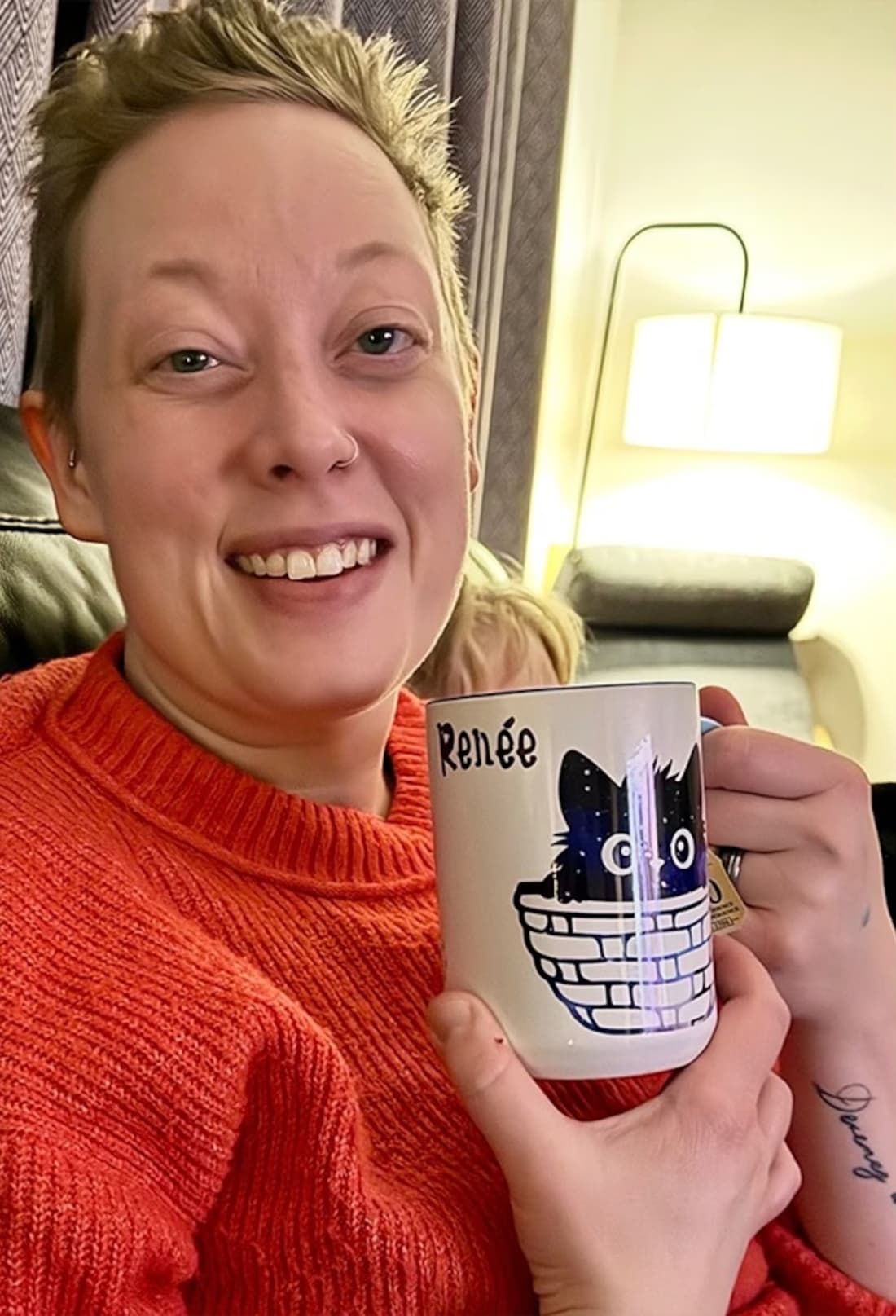 |
It wasn’t the glossy, almost angelic one used in most national news coverage. Somehow this picture felt more real, perhaps because more mundane. The porcelain mug has a black cat (or is it an owl?) with big eyes, peeking out from a wicker basket. And it is inscribed with her name: Renée. With an accent on the second ‘e.’ I was wondering about that. I suspected journalists were misspelling it. Yeah, I thought, that matters. Gotta get her name right. Renée.
Sigh.
I felt a bit more like myself.
3.
Then I thought about the officer, Jonathan Ross. He’s an Iraq War veteran and two-decade veteran of federal law enforcement.
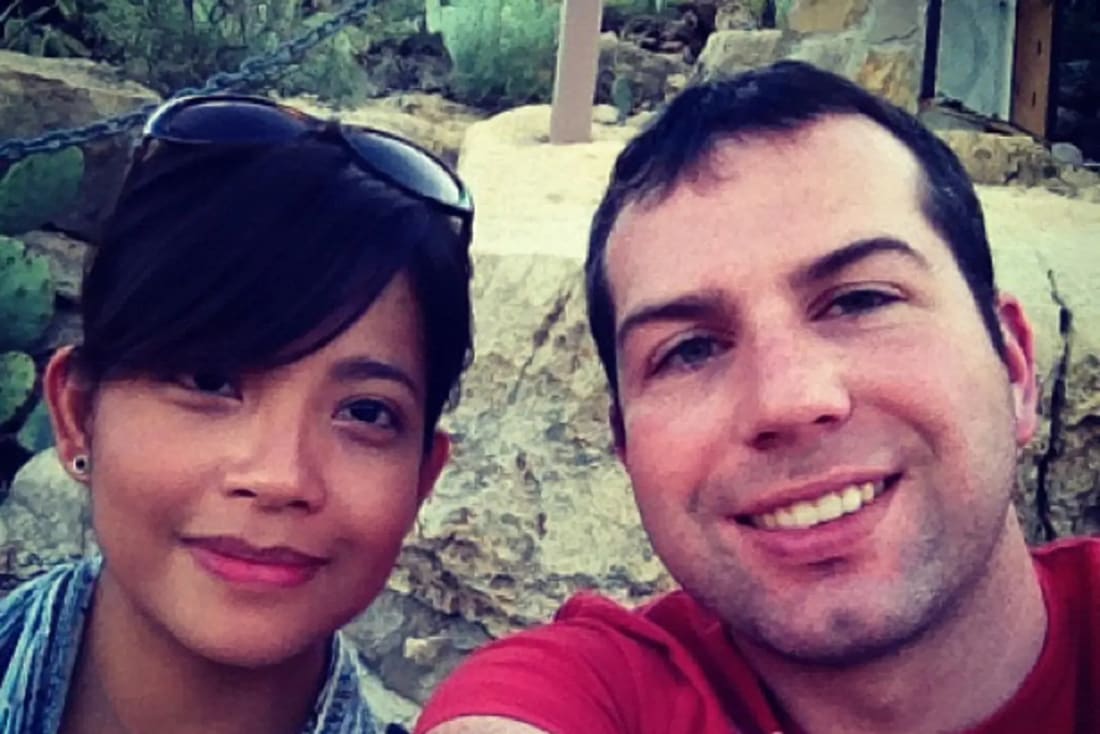 |
To test whether partisan brain rot has totally destroyed your rational faculties, try to practice empathy for someone of the other tribe, even if you consider them blameworthy. If you can’t, consider seeking help.³
Here I related somewhat to both victim and officer, but my friend and all the coverage rightly put my focus on Renée. She was dead.
What about Officer Ross though? Whatever happened next, I began to realize, his life would never be the same. After the jury pool has been so thoroughly contaminated by media, he may never get a fair trial. And in this administration, the victim’s family may not even see a real investigation.⁴ Let alone a charging decision.
4.
We have a presumption of innocence in this country. It is a formal, legal right; indeed, a constitutional one.
But it is also, and more importantly, a cultural touchstone.
In the United States of America we tend to believe that it is wrong — plainly unethical — to convict someone even in the informal court of public opinion, in our hearts, in our perception of their character (i.e., reputation) without evidence, an opportunity to be heard, or at least some gesture at fairness. What is fair? That’s harder to define.
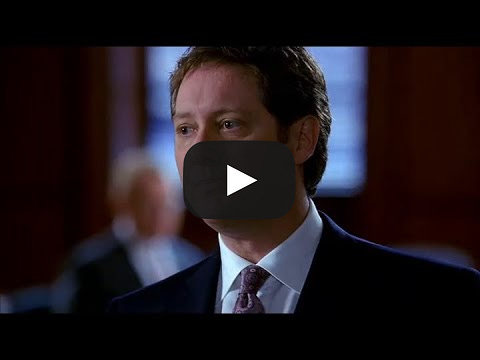
“We all know, intuitively, if you start talking about punishment before trial even begins, you’re putting the idea of guilt in the forefront of everyone’s mind. Yet presumption of innocence is the foundation of our whole justice system. Without that, we’re no better than totalitarian states who imprison and execute people on the whim of an all powerful leader.”⁵ -Attorney Alan Shore (James Spader), Boston Legal
Jonathan Ross may have committed murder, or he may not have; he may, or he may not, be shielded from criminal liability by virtue of being an officer of the federal government, acting in the line of duty; and his use of lethal force in that situation may, or may not, be objectively reasonable.⁶
I don’t know.
And I cannot know.
Because I am neither a forensic expert nor a member of a jury, with access to all the admissible evidence, watching all the videos, from each and every available angle, hearing eyewitness testimony from officers and citizens. Absent more, I cannot and will not say that Johnathan Ross in fact murdered Renée Good. I can’t and won’t say his use of force was reasonable, either.
By deciding not to decide, I invoke a value strongly implied by the 1st amendment.
I like to call it the 1.5th Amendment: my constitutional right to not have an opinion.
At least, not yet.
5.
There were so many problems with the Administration’s words and actions after the fatal encounter between Officer Ross and Ms. Good. State and local leaders in Minnesota did not perform much better.
Only one government official, border czar Tom Homan, seemed to get it right:
“Well, look, I just got off the airplane. There’s a hundred different videos out there. There may be a body cam video. I’m not going to comment - this is an ongoing investigation….Take a deep breath. Hold your judgment. Because I think the comments about murder is gonna incite what? More violence, more threats, and hopefully not more bloodshed.”⁷
Homan is the closest thing we have to an adult in the room. Hence the award from President Obama.⁸
But elected officials in both parties loved the spectacle. Ignoring Homan, they seized a tremendous political opportunity to fire up the base and risk more violence.
They succeeded.
 |
6.
Democrats have some soul-searching to do. Keep telling the base to nullify immigration law and risk felony obstruction of justice? All to stop deportations happening at rates at or below those of the Obama years?⁹ Doesn’t seem smart.
The Trump administration’s most dangerous mistake is failing to commit — immediately — to a fair and impartial investigation of both officer-involved shootings. That destroys their credibility. It also weakens the presumption of innocence for both officers: since we may never get all the facts anyway, why wait to judge?
We are left only with images, videos, podcasts, screens. Life by proxy. The commodity of the spectacle (please like, comment, and don’t forget to subscribe !!!)

7.
Here’s the problem with a public life made up entirely of spectacle: it is not life.
The dead people do not seem entirely real on our screens. So our brains might tell us: this is not really death. As symbols, they live on.
But Good and Pretti are dead.
Two U.S. citizens, 3 weeks: killed in immigration raids.
Just sitting with that fact — no edits, no filters — moves us toward reality.
A real investigation without partisan fear or favor gets us closer to truth.
A jury, maybe justice.
The alternative is unacceptable. Just move on. Accept that we will sacrifice human life for nothing. For the game. For the online fundraising bump. “To litigate domestic policy disputes,” our politicians seem to suggest, “isn’t it OK if a few people get killed? It’s the other party’s fault, anyway.”
And now: back to the show.
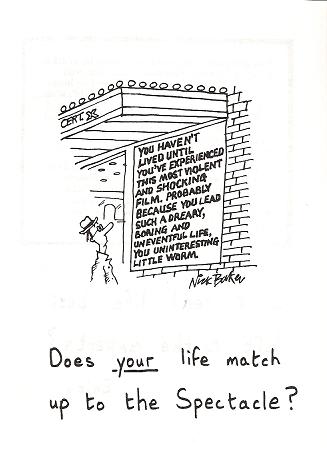
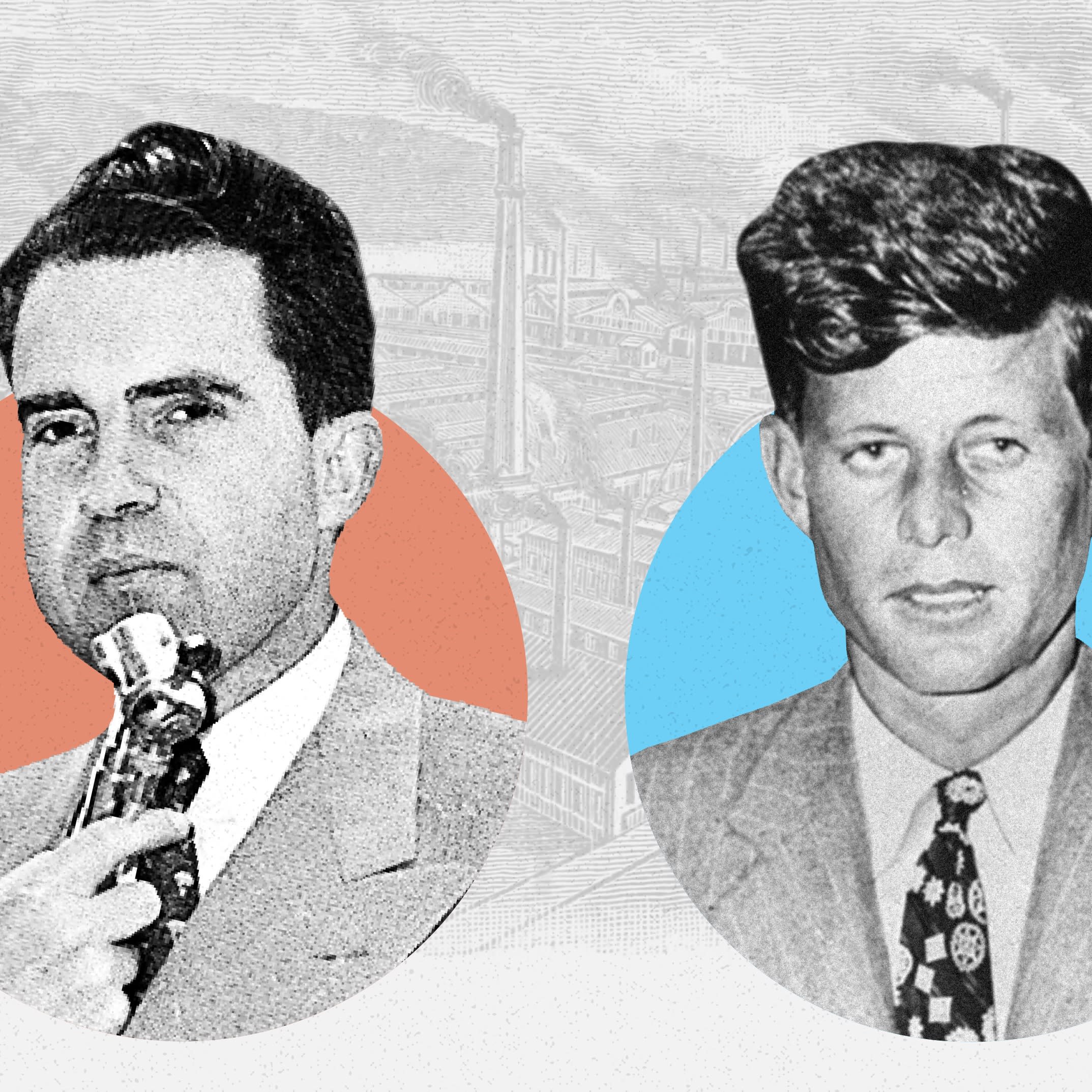
Cover image from Society of the Spectacle, Guy DeBord (1967); cartoon from Spectacular Times 01-02: Images and everyday life, Lawrence Law (Dec. 17, 2012).
“The partisan mind: Is extreme political partisanship related to cognitive inflexibility?”, Zmigrod L, Rentfrow PJ, Robbins TW., J Exp Psychol Gen (March 2020).
“FBI agent who sought to investigate ICE officer in Minneapolis shooting resigns: Report,” The Hill, Jan. 23, 2026.
Graham v. Connor, 490 U.S. 386 (1989); see also Federal Law Enforcement Training Center: https://www.fletc.gov/sites/default/files/PartIGrahamvConnor.pdf
“Extended interview: Border czar Tom Homan on Minneapolis ICE shooting, more,” CBS Evening News, Jan 7, 2026.
“ERO EAD Thomas Homan receives 2015 Presidential Rank Award,” ICE.gov, (Jan 13, 2016).
“Obama Has Deported More People Than Any Other President,” ABC News (August 29, 2016); “Legal immigration is good. Illegal immigration is bad,” pai’s politics (Nov. 7, 2024)
| ||||||||||

