|
 |



 |
Welcome to your Weekend Wire from Best for Britain.
It may be dry January for some, but after the past seven days, we’ve certainly been left with what those in the biz describe as a ‘news hangover’. From Trump’s speech at Davos, yet more internal Labour party machinations, via a volte face on Greenland, the bar is well and truly drunk dry.
Just consider us your Saturday morning pint of water and two paracetamol, following a good old fashioned night on the lash.
Read on for plenty more on all that.
Shock and aw(ful)
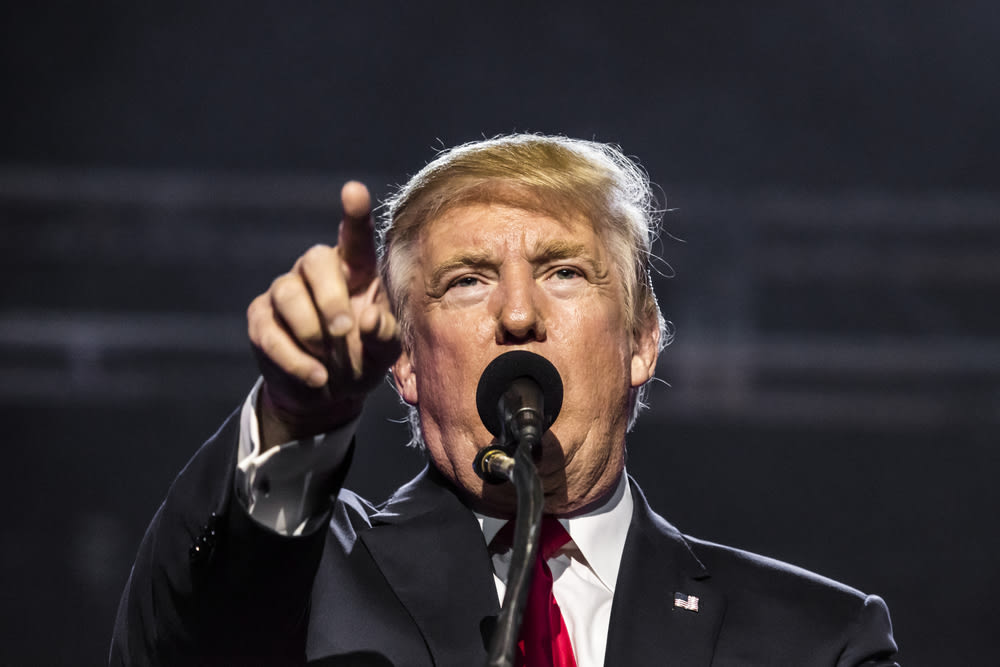 |
Quiet weeks are rare under the current White House administration, but this one was particularly noisy. After delivering an over an hour long speech at Davos on Wednesday (more on that below), Trump then sparked a major backlash on Friday, over his comments to Fox News that NATO troops had “stayed a little back, a little off the front lines” in Afghanistan.
The response was swift and furious, from ministers and MPs including Emily Thornberry, Al Carns and defence secretary John Healey. Kemi Badenoch branded Trump’s remarks “a disgrace”, while Lib Dem leader Ed Davey urged Prime Minister Keir Starmer to demand an apology, as the families of service members killed in action expressed hurt and outrage, including the mother of the youngest British soldier to be killed in Afghanistan, 18-year-old rifleman William Aldridge.


The PM’s spokesman said Trump was “wrong to diminish the role of Nato troops, including British forces, in Afghanistan following the 9/11 attacks on the US”, citing the 457 British personnel who died there and the “life-changing injuries” suffered by many.
He added: “We are incredibly proud of our armed forces and their service and sacrifice will never be forgotten.” Starmer himself later described the Presidents’ comments as “insulting and frankly appalling”, adding that if he had said those words, “I would certainly apologise”.
Bored of Peace?
 |
Also this week, the US President inaugurated his new Board of Peace on stage at the World Economic Forum, in what’s seen as an audacious attempt to replace the United Nations amid growing threats to the rules-based international order. It evolved from US plans to end the war in Gaza, although leaked details of its charter don’t make reference to that.
As the BBC’s chief international correspondent, Lyce Doucet, wrote in a must-read deep-dive on the newly unveiled Board:
“But for many observers and officials in capitals the world over, it is yet more proof of Trump’s drive to dismantle the post-war international architecture and replace it with new institutions - dominated by him.”
However, when it comes to membership of the board - priced at a cool billion dollars for permanent status - it’s not exactly a geopolitical A-list. No G7 states have accepted membership, and neither Russia nor China have said whether they will accept their invitations.
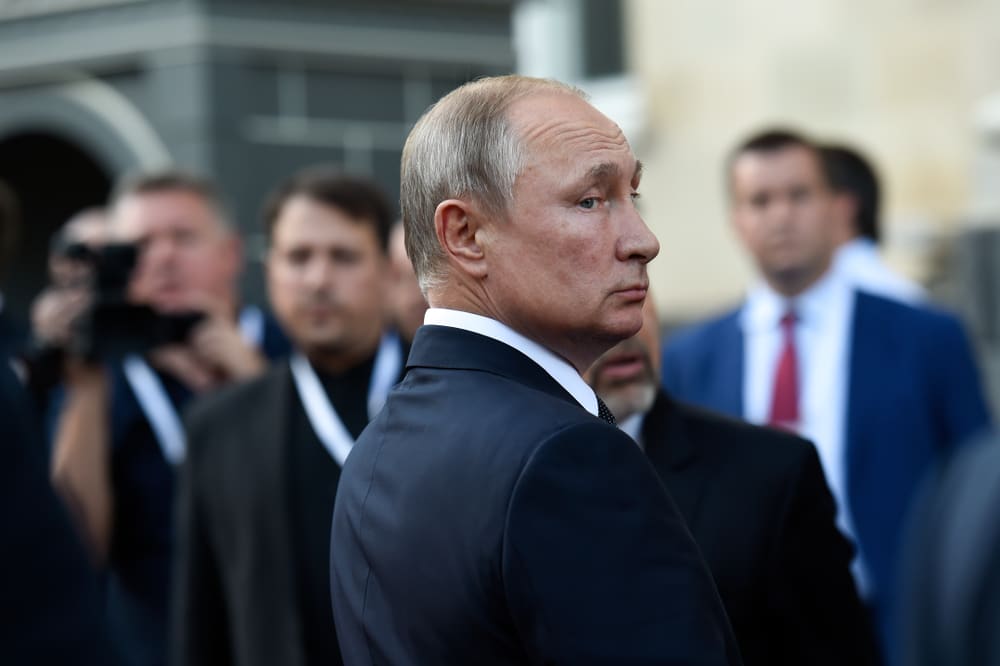
Vladimir Putin is reportedly considering joining, which the UK cited when declining to take part. Canada’s invite has been withdrawn, in the latest jibe to Prime Minister Mark Carney.
Not Easy Being Green(land)
 |
Delivering his main address at the Switzerland billionaire convention, the US President told the world he would not “use force” to make his demands for control over Greenland a reality. In a wide-ranging speech, Trump insisted no one but the US could protect the island territory from Russia and China - and said he was seeking “immediate negotiations” on its acquisition. Ahead of the speech, he had also criticised the UK’s Chagos Islands deal, in what Starmer used PMQs to brand publicly an attempt by Trump to “put pressure on me to yield on my principles”.
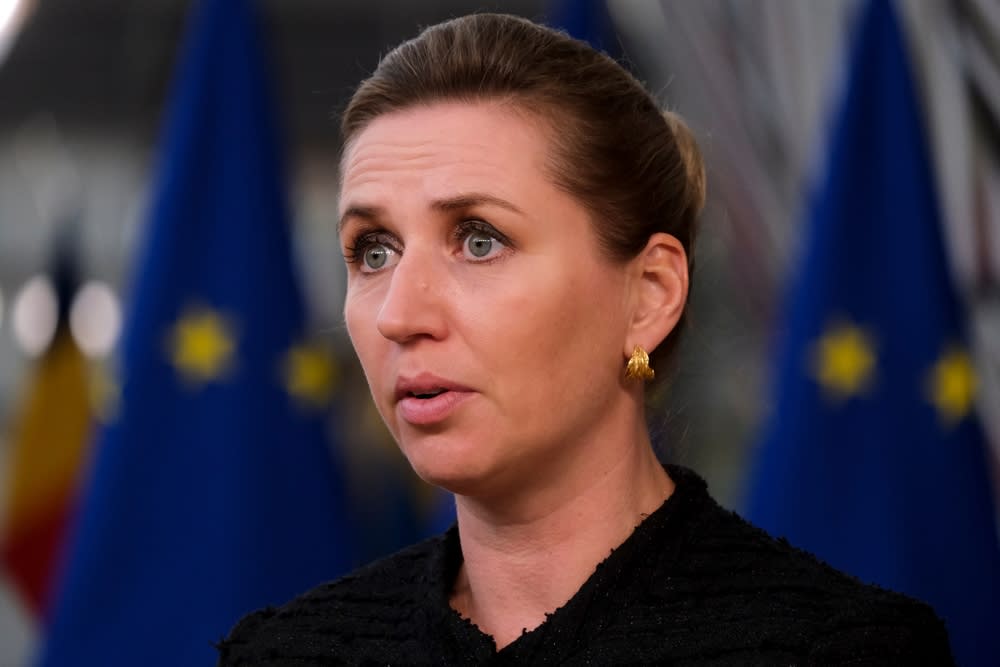
However, Trump later announced he was dropping his threats of tariffs against European nations opposed to his plans to take Greenland, after he met with NATO boss Mark Rutte, in Switzerland. The President said the pair had “formed the framework of a future deal” for Arctic security. Specific terms of the agreement remained unclear, but Danish Prime Minister Mette Frederiksen has reiterated that Denmark “cannot negotiate on our sovereignty”.
And while visiting Starmer at official country residence Chequers on Thursday, she thanked him for the UK’s support and praised the “British way of doing things”, saying: “You have a cup of tea and then you think a bit about everything.” We’ll drink to that.
Five hundred, twenty-five thousand, six hundred minutes
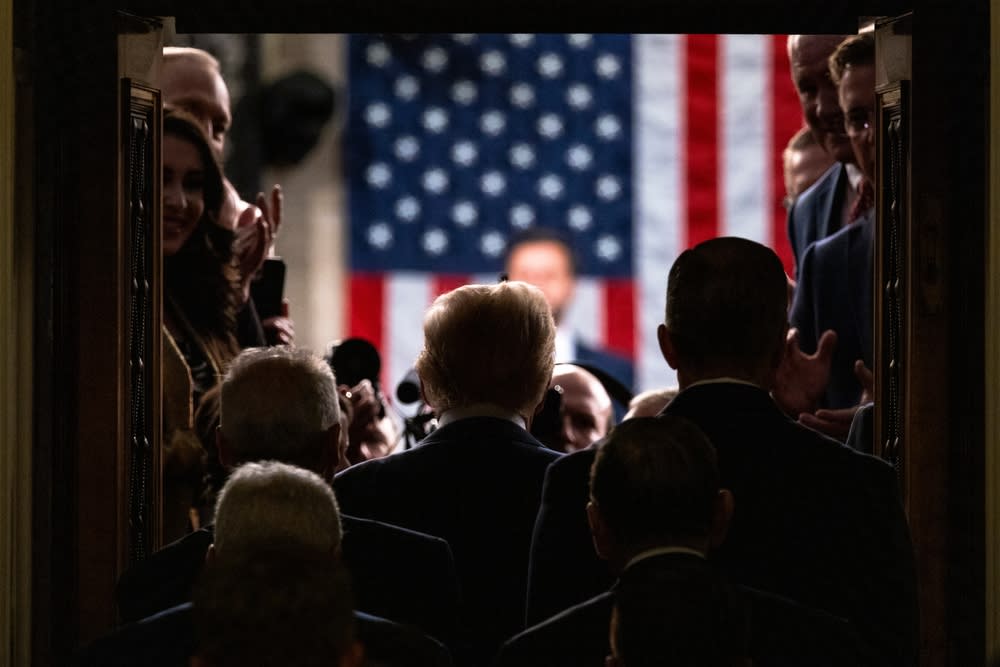 |
How indeed do you measure a year? Well, if you’re a foreign policy expert dissecting the past twelve months of Donald Trump’s second stint in the White House, you can forget daylights and sunsets (although we won’t say no to cups of coffee), in exchange for tariffs and global upheaval.
This week marked one year since Trump’s second inauguration. Who better to turn to than British Foreign Policy Group director Evie Aspinall, who shared her insightful reflections, including on where America, and the world, goes from here. Well worth a read.
“Trump’s actions will, ultimately, undermine the United States’ long term security and prosperity but by then, it won’t be his problem.” - Evie Aspinall
Feel the Burn(ham)
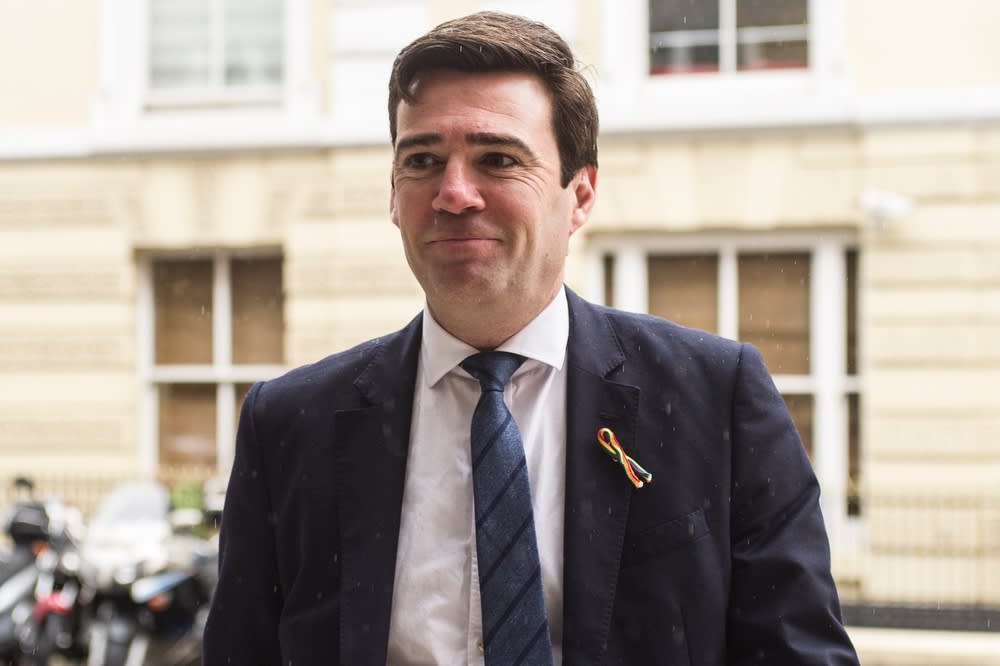 |
In (potentially) major news for the government - and the wider Labour Party - this week, it was confirmed former Labour minister Andrew Gwynne will stand down as an MP for medical reasons. The move paves the way for a by-election which could prompt Greater Manchester mayor Andy Burnham to mount a return to Westminster, with speculation rife as to whether a challenge to Starmer’s leadership could follow.
Gwynne has sat as an independent MP since February 2025, after being suspended from Labour over offensive WhatsApps - which he has apologised for.
Starmer has since been urged not to “stitch up” the selection process and prevent Burnham from standing, with Jo White, chair of the Red Wall group of Labour MPs, urging: “Let the North decide who their Labour candidate should be for the Gorton and Denton by-election. A London stitch up will be a disaster for Labour.” One to watch closely…
Distance learning
 |
News broke this week that the government is set to scrap targets for international student numbers in the UK, instead encouraging British universities to set up campuses overseas. The move comes in the context of an ongoing focus from No10 on reducing immigration numbers.
However, as our CEO Naomi Smith was quick to observe, public opinion when it comes to foreign university students - and all the associated economic, cultural and social benefits they bring with them - remains as broadly positive and welcoming as ever. Something for our policy makers to ponder on.
“The irreplaceable value of international students from around the world enrolling in our world-class universities and, alongside their education, taking a lifelong fondness for the UK back to their home countries is a vital component of Britain’s soft power.” - Naomi Smith
Gone but not forgotten
There was some sad news for all of us at Best for Britain HQ this week, as we said goodbye to our Director of Communications, Niall McGourty, who is leaving these shores for a big move back to Belfast - and will no longer be editing this Substack. We wish him all the very best.
However, we’re told he remains available for guest posts in the near and not so near future, so keep an eye out. So long, Niall, and thanks for all the fish(ing quotas related humour)!
 |
2026 will mark the 10th anniversary of the Brexit referendum. While Weekend Wire readers won’t be surprised to learn that the promises of the Leave Campaign have not come to fruition, it’s important to back this up with sound numbers - and NatCen’s research provides the latest.
Today, 69-70% of the British public thinks that the UK is worse off outside the EU , up from just 40% in 2015. Only 9-12% believe that Brexit has improved the economy - and even 38% of Leave voters now say the economy is worse off after leaving the EU.
Cheerful News of the Week
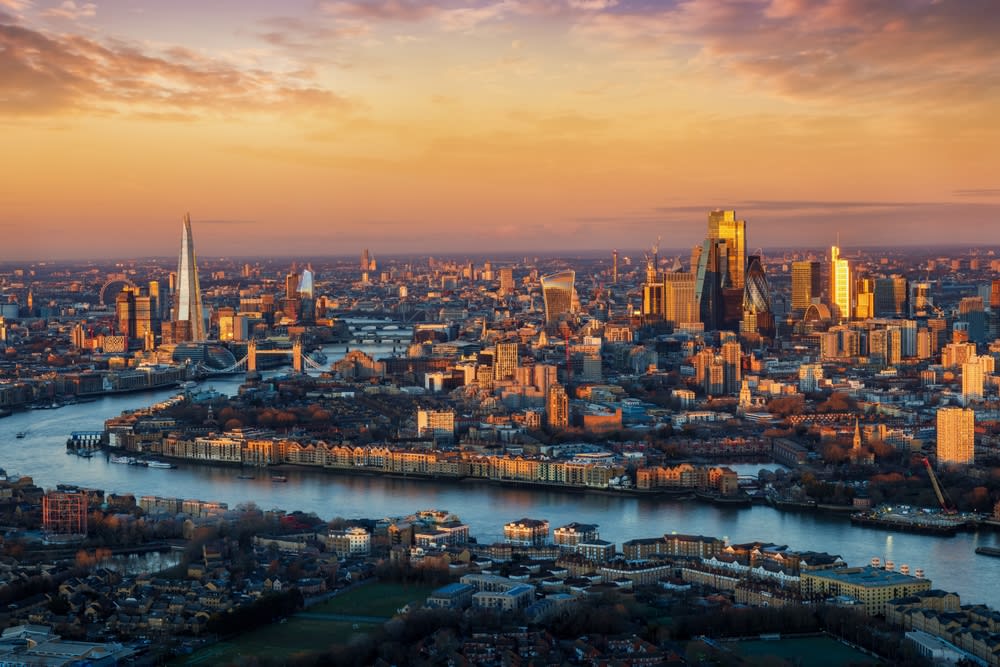 |
Last week, we learned that London’s homicide figures are the lowest on record - and the good news streak continues this week.
A new report has ranked London among the top ten greenest cities in the world. Reform UK must be furious - how can they talk down London now?
 |
In bizarre news from Leicestershire and Rutland this week, the BBC reported that police and crime commissioner Rupert Matthews, who defected to Reform UK last year, was subject to a complaint for allegedly asking a police officer in an “unsolicited email” to help him organise an election campaign photo with a horse - in the style of Vladimir Putin’s infamous topless photo.
In doubly bad news for him - he didn’t get the photo, and he had to face a panel meeting to answer questions about the complaint. The BBC have the full tale here.
While it may feel like we’re on the 47th day of January, there are actually only eight days to go.
But before we turn the calendar page, next week marks International Day of Clean Energy, International Day of Peaceful Coexistence, and Holocaust Memorial Day, on Tuesday.
We’ll be keeping a close eye on the House of Lords next week, with questions expected on the Erasmus+ scheme, the decline in public trust in national politics, and on the impact of a new EU-UK customs union and connections with the EU single market.
Have a good one.
Jessica Frank-Keyes
Head of Press
Best for Britain
With thanks to Laurena Rodriguez
You’re currently a free subscriber to The Best for Britain Wire. For the very latest analysis, expert commentary and political intrigue, upgrade your subscription.
| ||||||||||

