Rare White Loon, DIY Wildlife Hotel, and Who’s That Bird?

Trouble viewing this e-mail? Try our web version.

National Audubon Society
|  Joy of Birds  January 2026
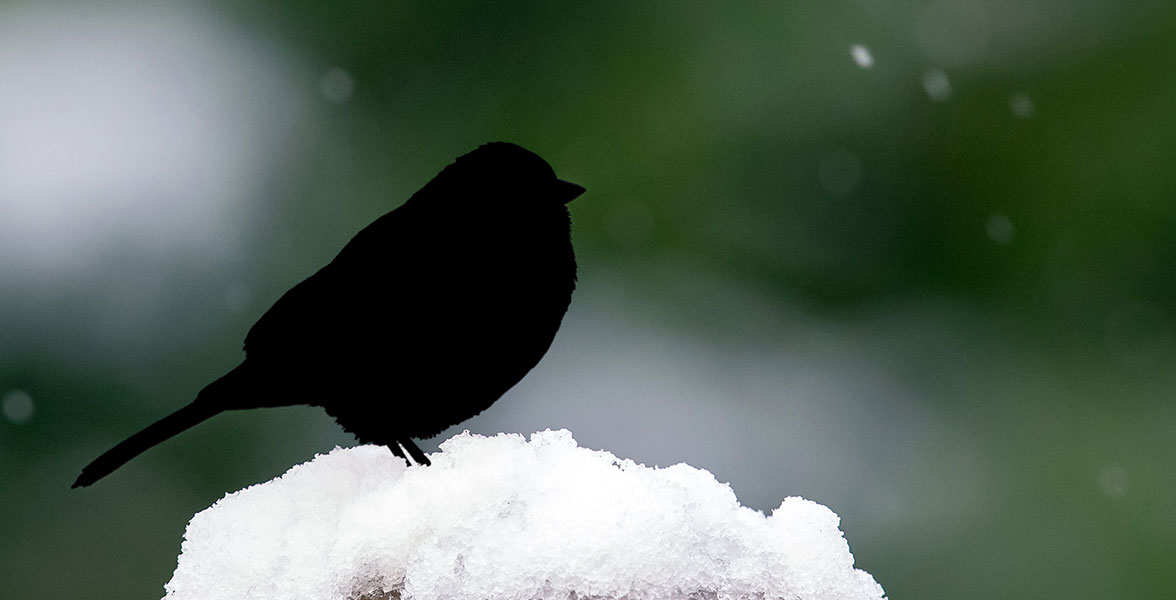
A silhouette of a bird perched on a snowy surface.

Who’s This Winter Bird?

It’s cold outside—defrost with another round of Who’s That Bird? Using the silhouetted image above and the three hints below, can you name this mystery bird?
  • Clue #1: When they hit the feeder, you can find this bird on the ground picking at spilled seeds like white proso millet and milo.
  • Clue #2: These birds sport a variety of snazzy looks that vary by region, from slate-colored in the East to pink-sided in the Rockies.
  • Clue #3: Colloquially known as “snowbirds,” these birds are a welcome sign of winter when they begin appearing throughout the U.S. Southwest, Midwest, and much of the east.
Here’s a bonus hint: This bird’s four-letter banding code, which researchers often use as shorthand for species names, is DEJU. Click here to learn more about this bird and reveal the answer.
divider line

Photo: Mick Thompson

 
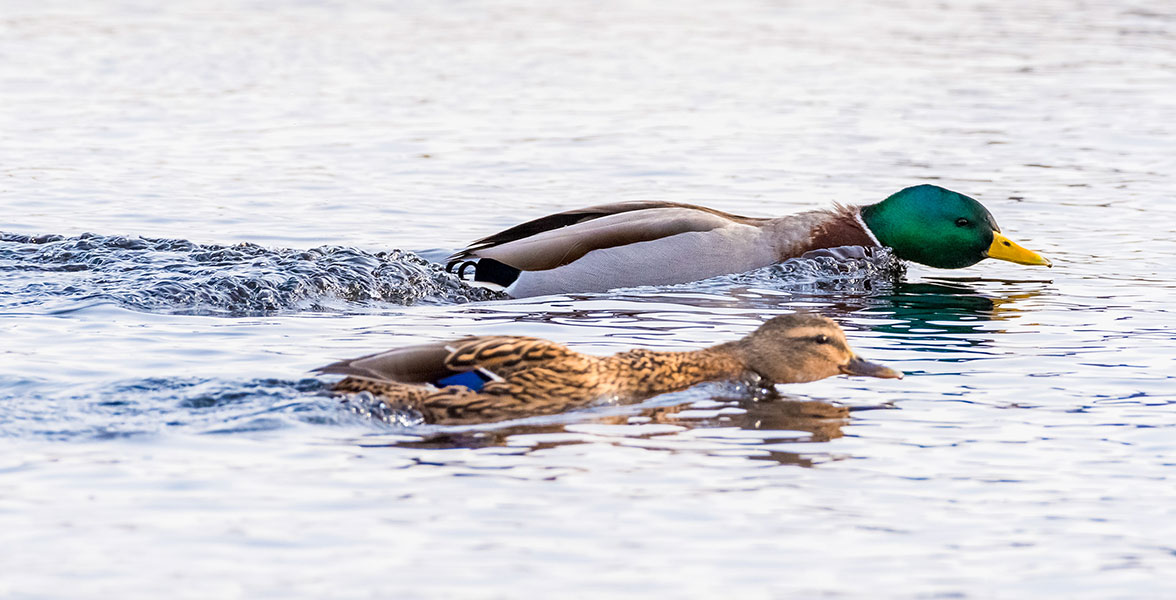
Courting Mallards swim side-by-side.

Catch These Early-Bird Mating Displays This Winter

The early bird gets a mate! It may be winter, but these five bird species are busy like it’s spring. From dramatic Anna’s Hummingbirds to duck dance-offs, keep reading for courtship displays already underway by Valentine’s Day.

divider line

Courting Mallards nod-swim together. Photo: Pysto Photography/Shutterstock

 
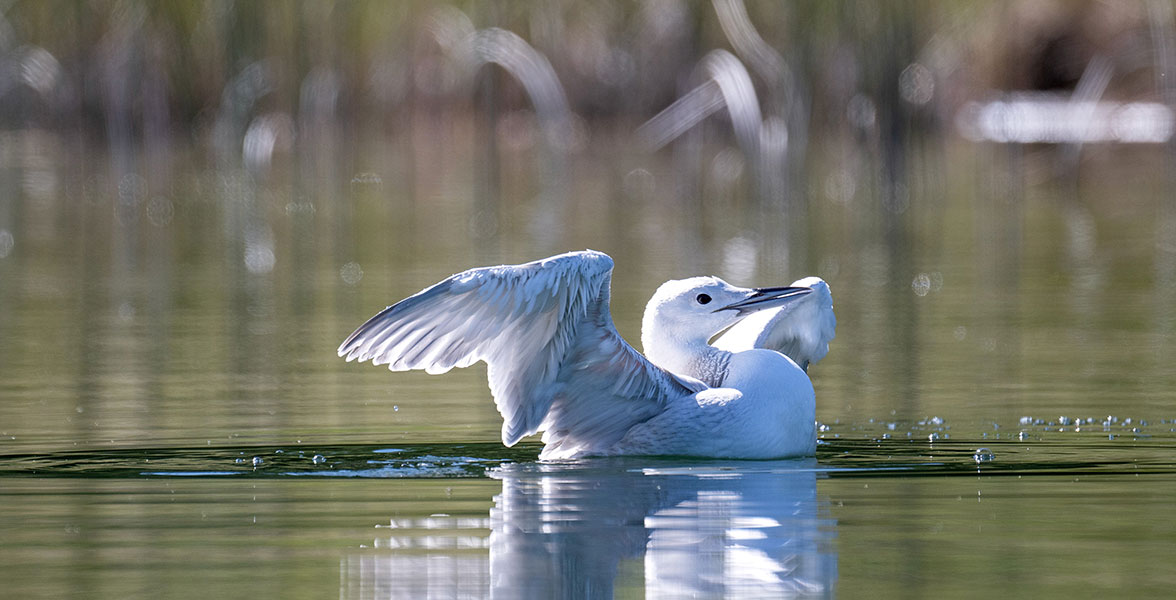
A leucistic Common Loon stretches their wings while swimming.

This Common Loon Wears Winter Whites All Year Long

Lack of pigment, or leucism, is rare in birds—and likely even rarer in loons. This Montana photographer captured once-in-a-lifetime footage of a white Common Loon over the course of its first summer. See more photos of this stunning loon.

divider line

This rare white loon is leucistic, lacking most, but not all, of the pigment in its feathers. Photo: Tony Gangemi

 
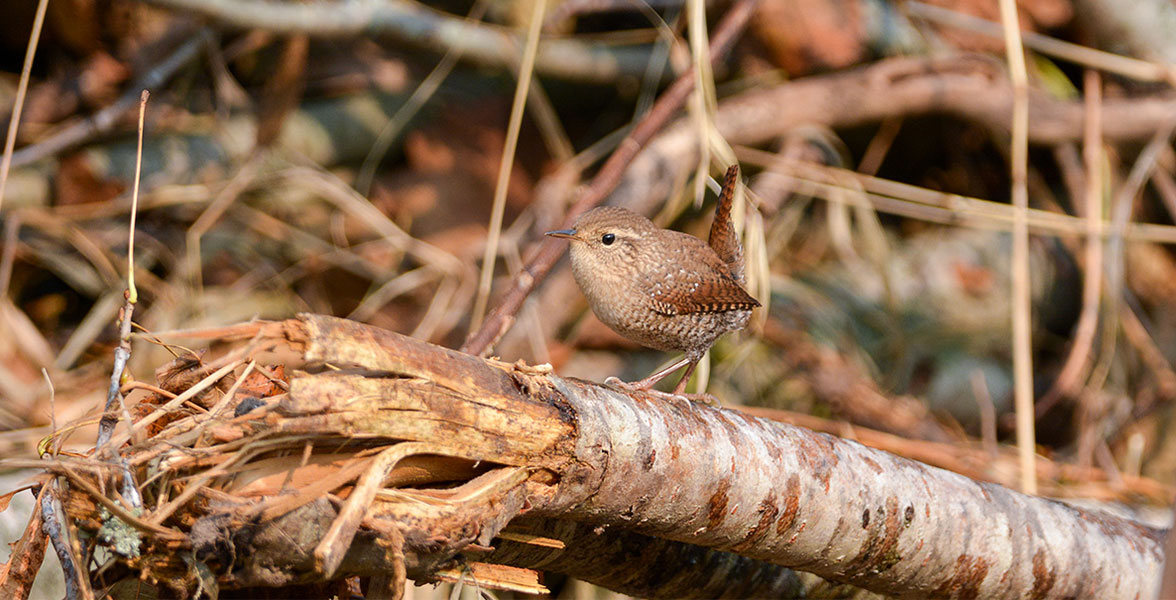
In the center, a House Wren perches on a brush pile.

Brush Piles: A Five-Star Wildlife Hotel

If you want to make a welcoming winter haven for birds, try building a brush pile! Using fallen branches and downed twigs, you can provide birds and other wildlife a welcome refuge from harsh winter temperatures. It’s also a great solution for repurposing a natural Christmas tree after the season. Read on for an easy, simple way to offer birds much-needed shelter this winter.

divider line

House Wren perched in a brush pile. Photo: C. Hamilton/Shutterstock

 
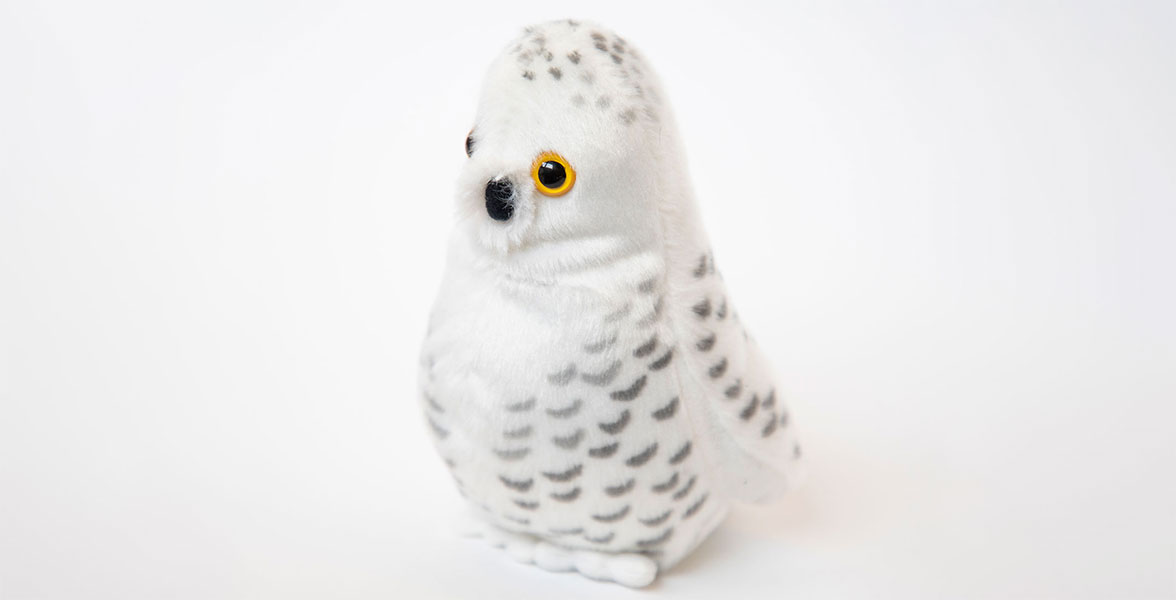
A Snowy Owl plush.

A Snowy Owl Plush For You

With you in our flock, we can protect the places birds and people need. If you enjoyed this newsletter, donate today and we’ll send you an adorable Snowy Owl plush as thanks. Donate now.

divider line

Photo: Luke Franke/Audubon


Did you receive this message from a friend? Get regular email updates from us by clicking here. →

120th Anniversary Seal

National Audubon Society
225 Varick Street
New York, NY 10014 USA
(844) 428-3826 | www.audubon.org

© 2026 National Audubon Society

Update your email preferences or unsubscribe