|
Here are a few of this week's stories from the Michigan Department of Natural Resources:
See other news releases, Showcasing the DNR stories, photos and other resources at Michigan.gov/DNRPressRoom.
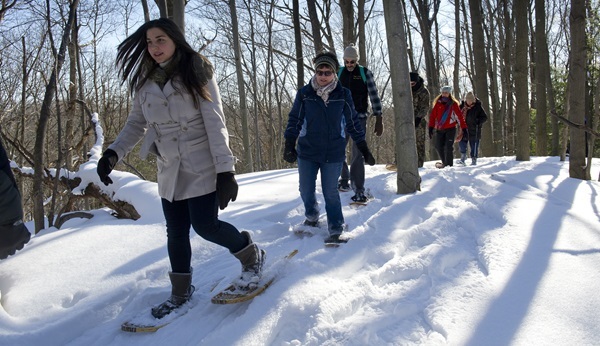
PHOTOS: Larger, higher-res versions of some of the images used in this email (snowshoeing, yellow fumewort, firewood, spotted lanternfly, Kitch-iti-kipi) are available in the DNR's public online image collection.
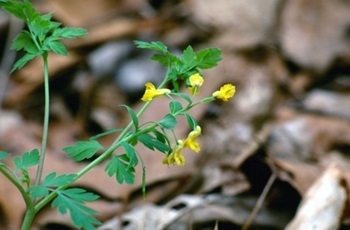
While most of Michigan’s native plant species are hunkered down for the season, a rare winter flower – yellow fumewort – is living its best life in parts of southwest Michigan. This introverted plant avoids competition by completing its life cycle in the winter, when there is less crowding and shade from other plants.
“It sprouts from seed in August and grows leaves that look similar to Dutchman’s breeches in the fall as the daylight shortens,” said DNR endangered species biologist Amy Bleisch. “Yellow fumewort spends the winter with its leaves on and then blooms pale, yellow flowers in April. After setting seeds, the plant dies, and the next generation grows again in the fall.”
Bleisch said yellow fumewort (Corydalis flavula) is listed as threatened in Michigan, meaning it is at future risk of becoming endangered.
“Now present in just three counties here – Berrien, Calhoun and Kalamazoo – the sprawling annual plant used to thrive throughout the Kalamazoo River floodplain,” she said. “Yellow fumewort lives on forested stream slopes and bluffs throughout its range, which stretches from Rhode Island to Florida and Michigan to Louisiana.”
|
One of many rare species
Michigan is home to more than 400 species of threatened or endangered plants, fish and animals. Like yellow fumewort, many of these species are rare because they can live only in specific habitats and places. Many can be found in only a few counties. Often, they can be seen or heard during just a few weeks each year.
“It’s rewarding to dig into the details and origins of the plants and animals that are native to our state, because so much of what you find in the great outdoors is a big part of what makes Michigan Michigan,” Bleisch said. “You never know, something cool could be living near you!”
 Learn more about Michigan’s rare plants and animals on the Michigan Natural Features Inventory’s website, which includes pictures, management recommendations and basic natural history. You can see the rare species that live in your county by visiting the Michigan Natural Features Inventory County Element Data website.
To support the rare species in your own backyard or neighborhood, you can:
Questions? Contact Amy Bleisch at 517-449-4630.
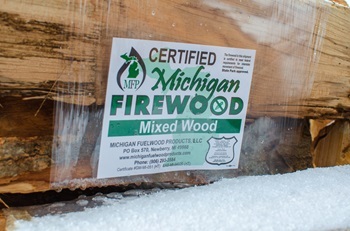
Did you know that untreated firewood can move harmful pests and diseases to new places? The Michigan Department of Agriculture and Rural Development is proposing to restrict the movement of untreated firewood from outside of the state to prevent the introduction of over 140 plant pests and diseases that threaten Michigan’s forests and urban landscapes.
Michiganders are invited to provide comments on the proposed exterior firewood quarantine through a brief online survey, available through early February.
What would the quarantine do?
The proposed quarantine would require all firewood entering the state to be heat-treated and certified and would establish clear compliance and enforcement measures.
It would apply to firewood from all tree species but would exempt wood transported for other purposes, including processed lumber, kiln-dried dimensional lumber, logs or wood destined for immediate processing, and wood chips smaller than 1 inch in two dimensions.
Locally sourced fuelwood gathered from downed wood and intended only for home use, not sale, would be exempt from regulation.
The quarantine would require all treated firewood crossing into Michigan to be accompanied by a certificate verifying treatment and origin from an authorized state or federal official.
|
Why is MDARD proposing a quarantine?
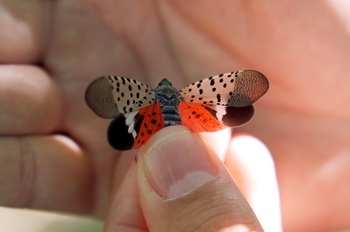
The movement of untreated firewood is one of the leading causes of new infestations of invasive forest pests. Unlike nursery stock and other high-risk commodities, firewood isn’t routinely inspected, and that makes it a significant pathway for pest and disease introduction. Once established, these pests and diseases – think Asian longhorned beetle, oak wilt, beech bark disease and spotted lanternfly (shown here) – are difficult and costly to get rid of and can cause significant, long-term economic and environmental damage.
Learn more, submit survey
Read MDARD’s request for public comment and review the draft proposed exterior firewood quarantine. Submit your comments using the online survey by 11:59 p.m. EST Monday, Feb. 9.
|
In this month's episode of the award-winning "Wildtalk" podcast, show hosts talk with DNR wildlife biologists Ryan Soulard, who works out of the Fish Point State Wildlife Area in Tuscola County, and Pat Brickel, based at the DNR field office near Cass City, about a long habitat project wrapping up at Fish Point: the rebuild of the Gaede Marsh and its many benefits for fish, wildlife and outdoor recreationists.
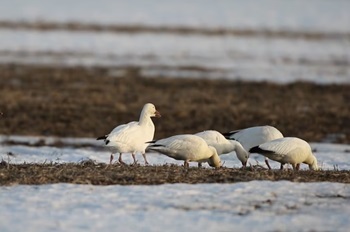
Later in the show, learn about the snow goose, a medium-sized goose with a fairly long neck and a chunky, round body that you can often spot this time of year in Michigan wetlands, which serve as migration stopover points. The program wraps with a lively discussion about the least shrew, one of Michigan's tiniest and most overlooked mammals: This shrew measures just inches long and weighs just a few grams but is an incredibly active predator (feeding on insects and other invertebrates largely under the ground) that has to eat almost constantly to survive.
Want to hear more? Visit the "Wildtalk" webpage for the January episode, as well as show notes and links to past episodes. Questions about the podcast? Email [email protected].
Photo courtesy of All About Birds snow goose gallery.
|
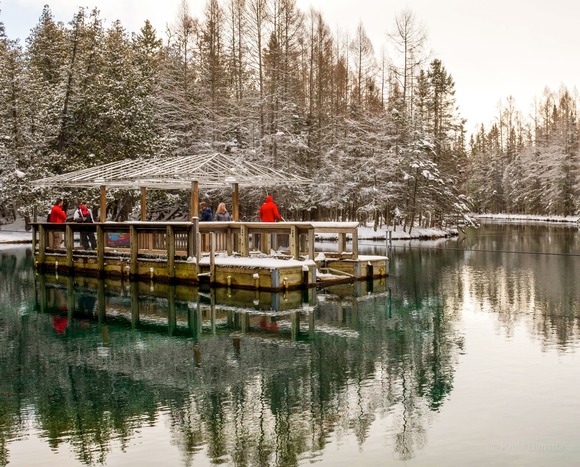 See more pictures by Michigan state parks photo ambassadors at Instagram.com/MiStateParks. For more on the program, call Stephanie Yancer at 989-274-6182. This photo of people on the self-propelled observation raft at Kitch-iti-kipi (or "the Big Spring") is by Paula Liimatta, for the Michigan DNR, at Palms Book State Park in Schoolcraft County.
|