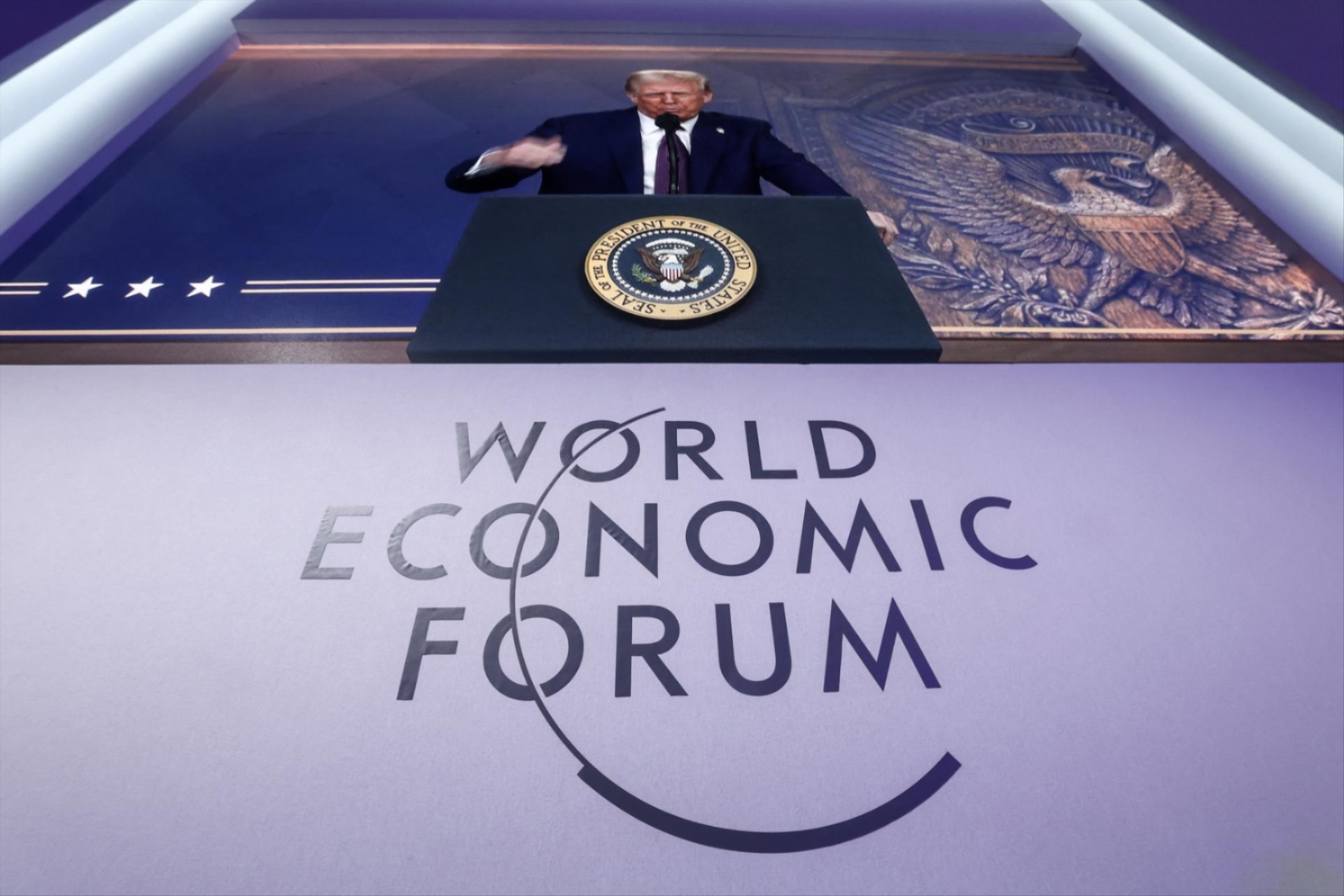
Trump’s proposed board of peace... The leaders of countries including Argentina, Kazakhstan, Hungary, Morocco, and Vietnam said they would join Trump’s proposed so-called Board of Peace to oversee the next phase of the Gaza peace plan—and potentially other world conflicts. Additional leaders, including Russian President Vladimir Putin, are debating whether to accept the invitation. Macron was among those invited, but Paris does not plan to join due to the concerns the proposal raises about undermining the United Nations, an unnamed French official told reporters. Trump yesterday threatened to impose 200 percent tariffs on French wine and champagne if Macron did not join the board.
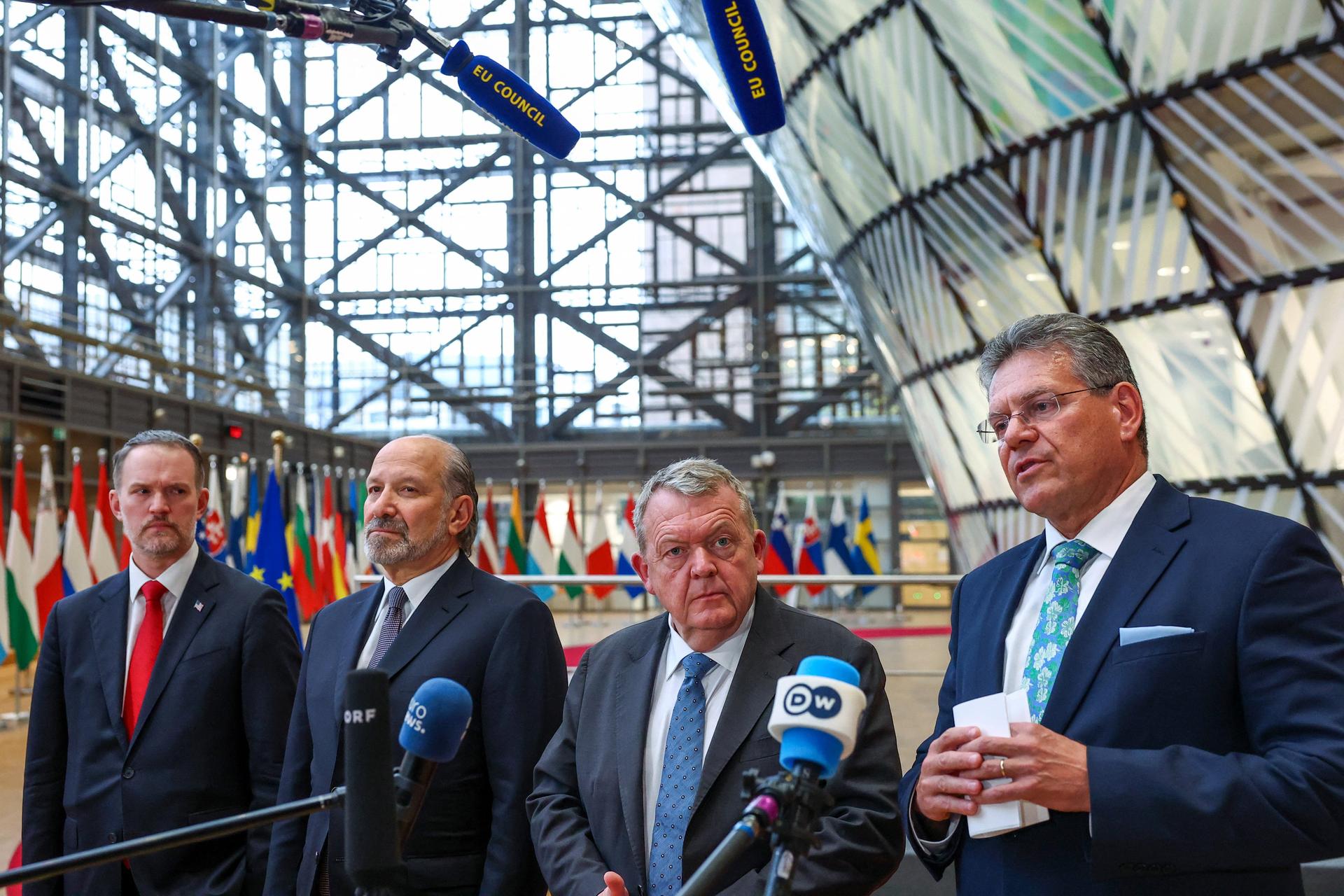
…and executive board for Gaza. On Friday, the White House announced plans for a separate so-called Gaza Executive Board to liaise with the enclave’s new technocratic governing committee. It includes Turkey’s foreign minister, senior Qatari and Emirati officials, and an Israeli businessman, but no Israeli officials. Trump’s son-in-law Jared Kushner and U.S. envoy Steve Witkoff are also members. The Israeli prime minister’s office issued a statement calling the executive board “at odds with Israeli policy,” without going into detail. Israel previously rejected a possible role for Turkey in postwar Gaza.
Clashes in Syria. Detainees associated with the self-declared Islamic State have escaped from a Syrian prison, testing a freshly-minted truce between Syria’s military and Kurdish forces. Syria’s interior ministry said today that around 120 detainees had escaped and at least 81 had been recaptured, while a Kurdish website reported that roughly 1,500 had escaped. Each side blamed the other for the incident. They had announced a truce and plans to merge on Sunday, following a Syrian military’s offensive against the Kurdish group.
IMF annual forecast. The IMF projects the world economy will grow 3.3 percent in 2026, 0.2 percent higher than its October projection for the year, it said in a new report. The global economic shock from U.S. tariffs has been lower than initially expected in part due to trade agreements and de-escalation, IMF chief economist Pierre-Olivier Gourinchas told reporters. Both the United States and China are expected to grow more than previously expected.
Russian attack on Kyiv. Overnight Russian strikes disabled much of Kyiv’s electricity, water, and heating supply, Mayor Vitali Klitschko wrote on social media. Russian forces used ballistic and cruise missiles and more than three hundred drones to carry out strikes across Ukraine, President Volodymyr Zelenskyy wrote. Russia has continually targeted Ukraine’s power grid each wartime winter, and Zelenskyy warned Moscow was preparing another “massive strike” in the coming days.
Japan’s election. Prime Minister Takaichi Sanae announced yesterday that a snap legislative election will take place on February 8. She will dissolve the lower house of parliament on Friday to prepare for the vote, she added. Takaichi pledged to end “excessive austerity” and deliver a temporary tax cut to citizens in a preview of post-election goals.
Australia’s new gun laws. Australia’s legislature approved tighter gun restrictions today in response to a mass shooting at a Jewish festival in Sydney last month. They include a framework for a national gun buyback, stricter background checks for gun licenses, and new regulations for importing guns. Lawmakers also passed a bill that will increase jail terms for hate crimes and the ability to authorize visa restrictions on people deemed to have extremist views.
Violence in Guatemala. President Bernardo Arévalo declared a monthlong state of emergency on Sunday following a spate of gang-related violence. Gangs took hostages inside three maximum security prisons. As security officials retook the facilities, seven police officers were killed outside the prisons. Arévalo characterized the gang unrest as a response to his crackdown on crime.