
John,
Today, on Martin Luther King Day Jr. Day, we’re reflecting on Dr. King’s legacy — not only as a champion of civil rights, but as one of the most powerful voices for peace this country has ever known.
Dr. King understood something that remains deeply relevant today: violence is not inevitable. It is a choice — shaped by policy, culture, and whose lives we choose to protect.
Dr. King warned of a society that normalizes violence and calls it strength. He spoke about the moral cost of accepting bloodshed as unavoidable, and the responsibility each generation has to reject that lie.
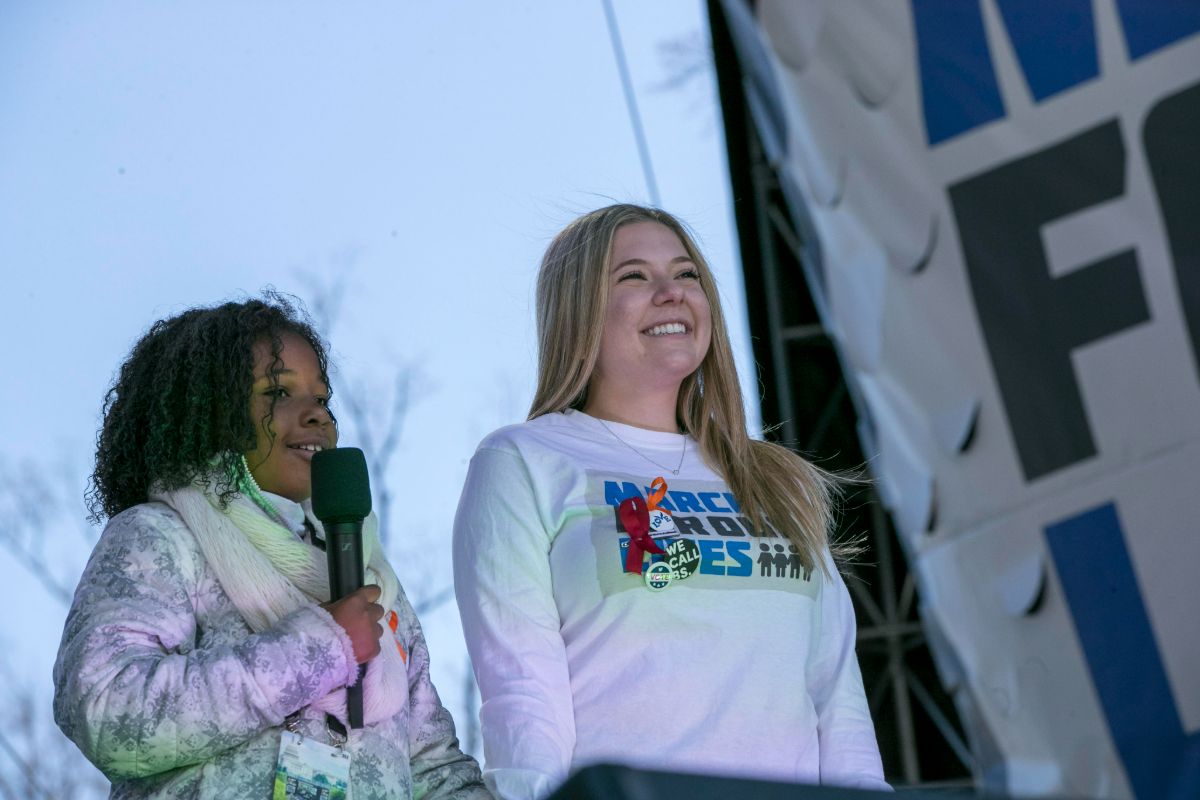
At March For Our Lives, we carry that lesson with us.
Our work to end gun violence is rooted in the same belief that guided Dr. King’s life: that justice and peace are inseparable, and that young people have both the power and obligation to demand better. We believe in nonviolence not as passivity, but as courage — the courage to confront systems that profit from harm and to imagine a safer future for everyone.
His death was a devastating instance of how gun violence can cut down voices fighting for justice and a reminder of why we must act to end this epidemic.
Dr. King’s life and death reminded us that progress is not automatic. It is built by ordinary people who refuse to look away.
Today, we honor his legacy by recommitting ourselves to that work — organizing, advocating and building a movement grounded in dignity, accountability and peace.
Thank you for being a part of this community and for standing with young people who continue to believe, as Dr. King did, that a more just and peaceful world is possible.
In solidarity,
March For Our Lives

|
