|
 |
When will America finally heed MLK?
A 20th century prophet venerated as a “civil rights hero” tried to warn this country generations ago of the crises our leaders have chosen to invite, rather than avert
|
| |||||||||||||||


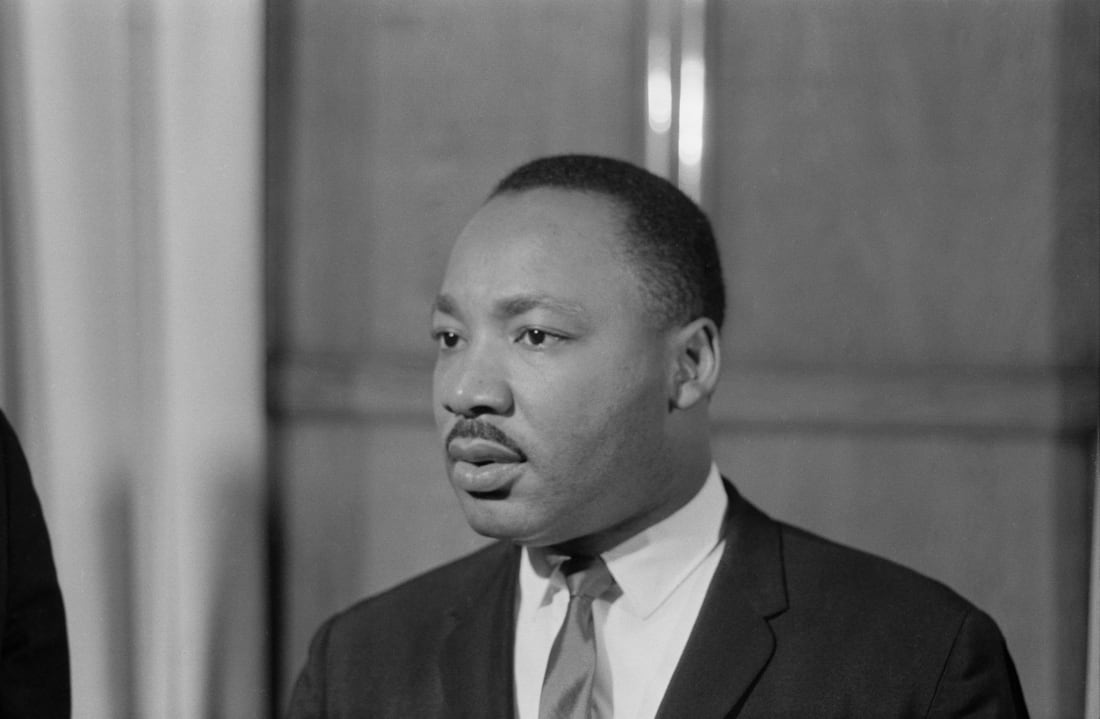
Celebrating the legacy of Martin Luther King, Jr. requires recalling not only his memory, but also his teachings. Despite having been elevated to the status of national icon, with a national holiday dedicated to his memory and a monument in the nation’s capital, he remains widely misunderstood and underappreciated.
 |
Remembering a hero
I wrote on last year’s holiday about the perverse irony of Donald Trump returning to Washington on the same day. The juxtaposition could not possibly be more jarring.

In previous years, I’ve reflected on other themes raised by today’s holiday. In 2023, I explored the gulf between how MLK is widely understood today and the reality of his life, struggle, defeat, and assassination. He shared a clear analysis of the rot within America’s political soul that could have informed a brighter future had America heeded his voice.
Reclaiming the radical legacy of Dr. Martin Luther King, Jr. | ||||||
| ||||||
 | ||||||
[This post is also accessible as a podcast] | ||||||
|
In 2024, I examined the prescience of King’s warnings, focusing on the “intersecting evils” that he specifically identified: racism, capitalism, and militarism. Beyond offering a tragically timeless description of our country’s criminal history, he also named the particular factors that drove the accelerating global climate catastrophe.
We live today in the shadow of sustained failures to act on his warnings.
Martin Luther King, Jr. tried to warn us | ||||||
| ||||||
 | ||||||
Few figures in U.S. history are as widely recognized as the late Dr. Martin Luther King, Jr. But while every American has heard his name, and most celebrate today’s annual holiday commemorated in his honor, disturbingly few realize the profundity of his remarkable legacy | ||||||
|
Martin Luther King, Jr. was a lot more than merely a “civil rights hero.” He was a visionary, a prophet, and a patriot with a legacy as prolific as any of the founding Fathers. Few appreciate the depth of his profundity, or how much misery the future could have been saved had white America listened to MLK rather than reduce him to a caricature.
The contemporary relevance of history
In the wake of Renee Good’s recent murder in Minneapolis by ICE agent Jonathan Ross, I wrote about the disturbing continuity between this era of wanton state violence and the era of racial terror across the South invited by the end of Reconstruction.
Taking off the mask | ||||||
| ||||||
 | ||||||
Last Wednesday, 37-year old Renee Good was shot in the face by Jonathan Ross, a federal ICE agent who—like any number of his colleagues—has been effectively empowered to stand above the law and disregard basic human and civil rights. | ||||||
|
There was no time of peace in the United States before Trump came to office. Immigrants have been forced to live in fear for decades. Black Americans have remained subjected to arbitrary and lethal state violence for centuries.
And the white establishment tolerated those injustices because—as King wrote—figures who enjoy social privileges want not to threaten their own positions.
The shoe is not on the other foot today, so much as both feet: the same communities long subjected to the whims of those in power have been joined by others who may have thought themselves immune from their struggles. There can be no pretense anymore about the illusion of separateness.
MLK told us that “injustice anywhere is a threat to justice everywhere.” The last half century—and the last year, in particular—has proven his point over and over again.
A poem I included at the end of my previous post represented my attempt to paraphrase this dynamic that King publicly lamented.
What time is it?
Dr. King called us to embrace demands for long denied justice. But most of the goals he sought during his life were never granted, and the few that were have been flipped on their heads.
Many Americans have been forced to come to grips with the reality of life in the U.S., and the unfinished work of making real the promises on which our nation was founded.
Never has there been a more urgent time to take up the work that Dr. King was not allowed to finish, to cultivate the beloved community that he envisioned, and to embrace the risks necessary to defend the future from the continuing predatory patterns of the past.
You're currently a free subscriber to Chronicles of a Dying Empire. For the full experience, upgrade your subscription.
| ||||||||||

