|
 |


By Dick Russell, Contributor, The MAHA Report
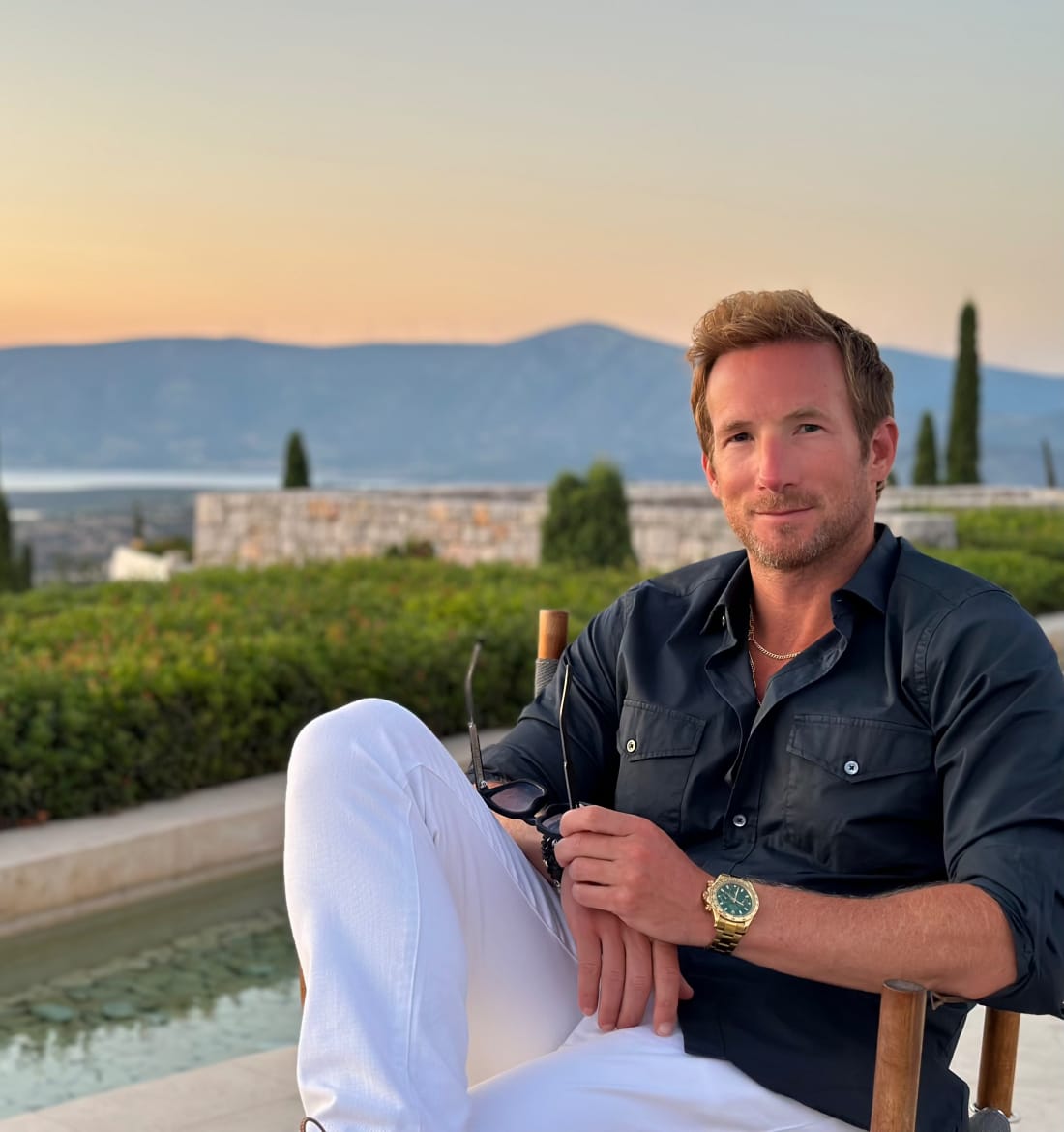
This is the story of a remarkable metamorphosis. Born in Hartford, Connecticut, Jason Karp grew up playing competitive tennis and became an All-American squash player in college. In 1998, he graduated summa cum laude from the renowned Wharton School of the University of Pennsylvania, and was soon considered a “golden boy” trader inside the nascent hedge fund industry. Karp was a handsome young man whose future seemed limitless.
Then, without warning, everything changed. “In my early 20s,” Karp would write years later, “I became very ill with several autoimmune diseases and was told repeatedly by doctors that while there was no cure, I should consume various pills to mitigate the symptoms. I was also diagnosed with an incurable, degenerative corneal eye disease and told I would be blind by the age of 30.”
 |
As a star athlete, Karp had always been the pinnacle of health. He fell into a deep depression that lasted a year. But he refused to accept the grim diagnoses. “I’ve always sort of had a very deep curiosity for things and never felt intimidated by diving into waters that other people would probably be afraid to,” he said of having chosen the then relatively obscure hedge fund realm over investment banking. His financial expertise emanated from his background as what he called a “data scientist,” and now he turned that lens on his lifestyle.
“I ate like most people,” Karp realized, “spending very little to no time asking questions about the provenance of the food I consumed. I would spend hours scrutinizing investments, and then at lunchtime, recklessly stroll down to a food truck and consume whatever looked appealing without thinking about who prepared it, where it came from, and how it was adulterated to increase the profit to the vendor.”
Countless hours of research and self-experimentation followed, and “sparked a thought I now consider divinely inspired – to see if I could cure myself with food.” Reading books by several authors on nutrition (Karp has cited Mark Hyman, Andrew Weil and Michael Pollan) helped pave the way, along with indigenous teachings. In the course of what Karp would recall as a seven-month-long “harrowing journey,” he made a radical dietary shift to whole, unprocessed, gluten-free and organic foods, while eliminating chemical additives that pervade most consumer products. Over time, his chronic ailments reversed, and his “incurable” eye disease disappeared, one of the only such cases ever recorded.
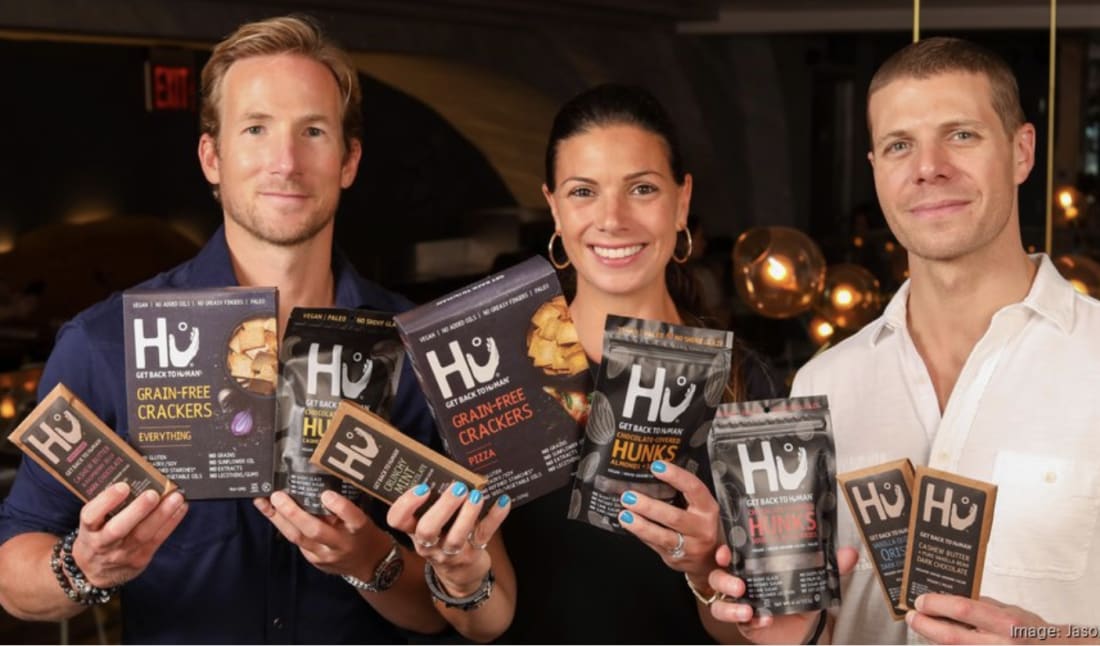 |
With his health under control, he remained in the finance world for two decades, eventually founding Tourbillon Capital Partners, an award-winning hedge fund which managed over $4 billion and found him designated “emerging manager of the year” by Institutional Investor. During the same time-frame, in 2012, Karp opened Hu Kitchen in New York with his wife Jessica and brother-in-law, Jordan Brown. The “Hu,” short for human, was a restaurant that specialized in the kinds of healthy food the entrepreneur credited with saving his life. While Hu Kitchen closed its doors in New York in 2000, the paleo-inspired menu endures through packaged goods, especially the hugely popular organic chocolate brand sold in Whole Foods and other chains nationwide.
In 2018, another life-changing moment for Karp came when he and a group of a few other businessmen visited a maximum-security prison in California’s Central Valley. According to a profile in Business Insider, “as part of a volunteer program, he met with inmates, counseling them on entrepreneurship and offering advice on how to make the most of their lives behind bars.”
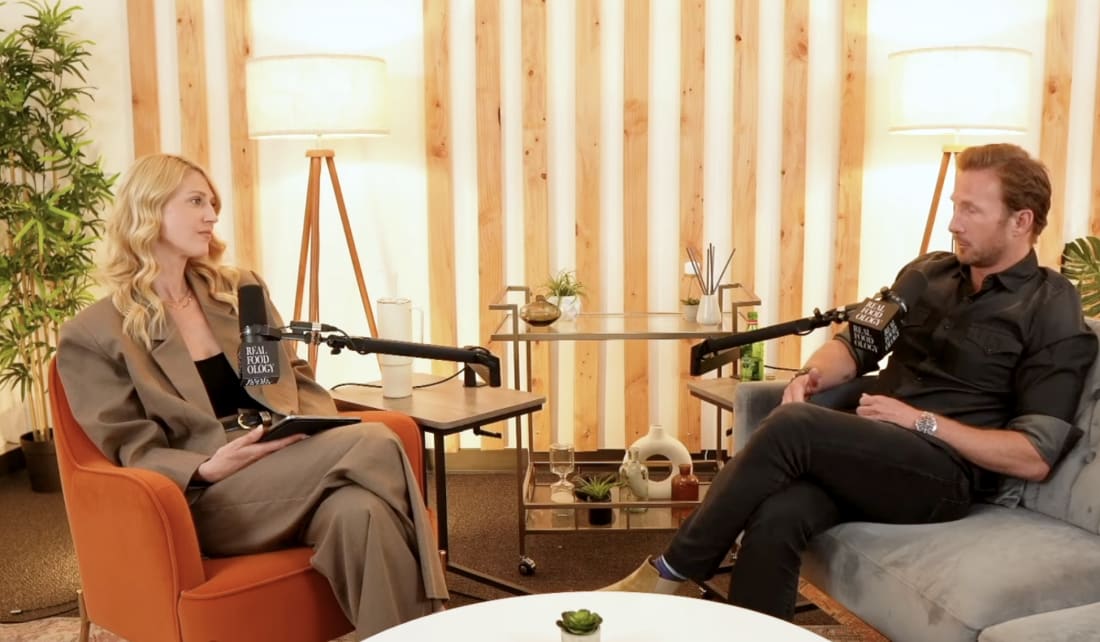 |
This sparked further questioning about his life’s mission, and a decision to leave the hedge fund world altogether and form a holding company called HumanCo. Uprooting from New York and moving with his family to Austin, Texas, Karp went all in on health. “We buy, build and invest in allowing people to live healthier lives,” Karp said in 2025 on the Real Foodology podcast. HumanCo.’s ventures include ‘Against the Grain,’ which uses only “real food,” simple ingredients, and makes gluten-free pizza, snacks and bread. Among others, HumanCo also bought a stake in Andrew Weil’s chain of farm-to-table restaurants known as True Food Kitchen.
 |
In September 2024, Karp testified at a landmark Nutrition Roundtable organized by Senator Ron Johnson in Washington. The day-long event was attended by Robert F. Kennedy, Jr. and Dr. Marty Makary, both of whom would soon land key health roles in the new Trump administration.
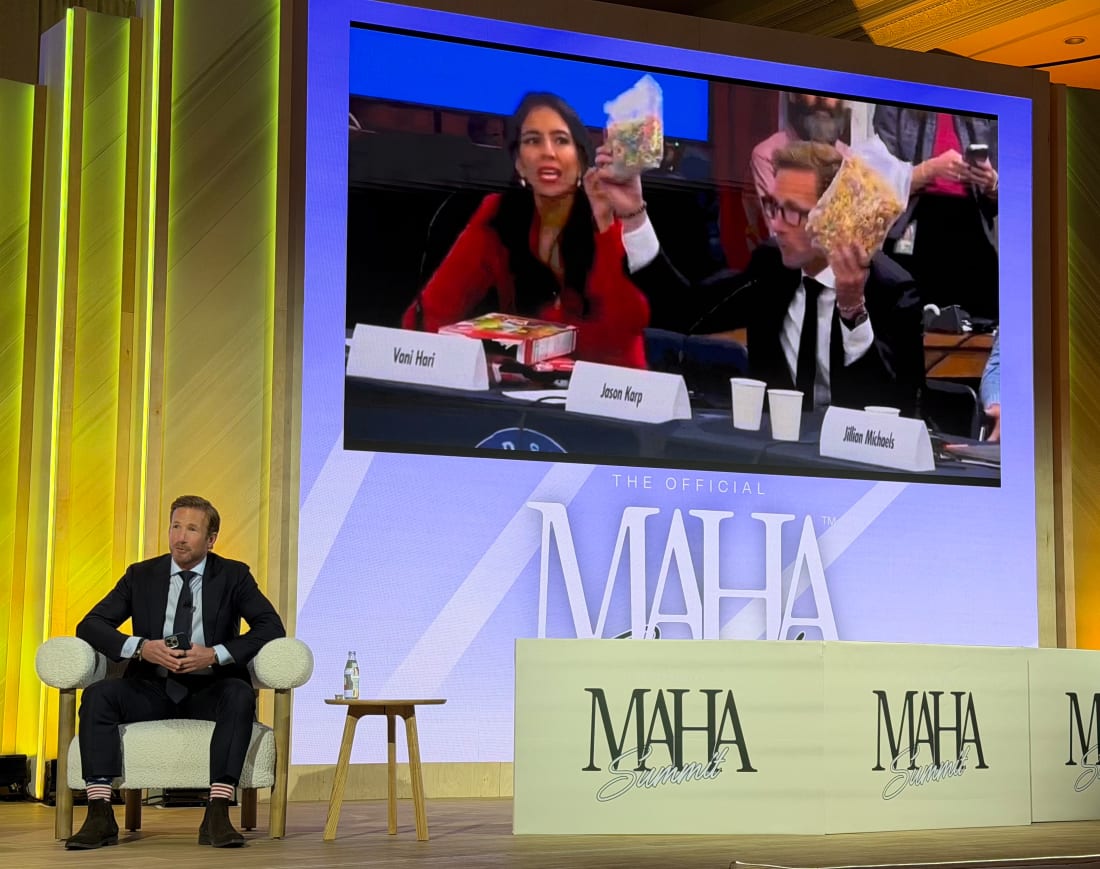
Karp also began working with other activists; Vani Hari, best-selling author and widely known as the Food Babe, says Karp “brought me out of retirement.” They led the charge of a thousand participants who marched up to Kellogg’s headquarters in Battle Creek, Michigan, in mid-October 2024, delivering a 400,000-signature petition demanding that the cereal giant keep its promise to take artificial dyes and preservatives out of children’s cereal.
“What started as a small movement against Kellogg’s has turned into an enormous snowball,” Hari says, with RFK Jr. and Makary accelerating the process of removing chemically-laden food additives. Several states – West Virginia, Texas, and Louisiana – took that process upon themselves, and by last fall, 89 bills aimed at improving our food supply had been put forward in Congress.
“I view mental, physical and planetary health as being in a meta-crisis, with the chronic disease epidemic at the ground-zero epicenter of the problem,” says Karp. “How did our food system get so toxic? Primarily because of capitalism and the profit motive. The entire system needs to change, and the first step is HHS [Secretary Kennedy’s Department of Health and Human Services] banning some of the ingredients completely. It’s not the food – it’s what we’ve done to the food. And the last six months have been probably the most consequential in food policy that I’ve seen.”
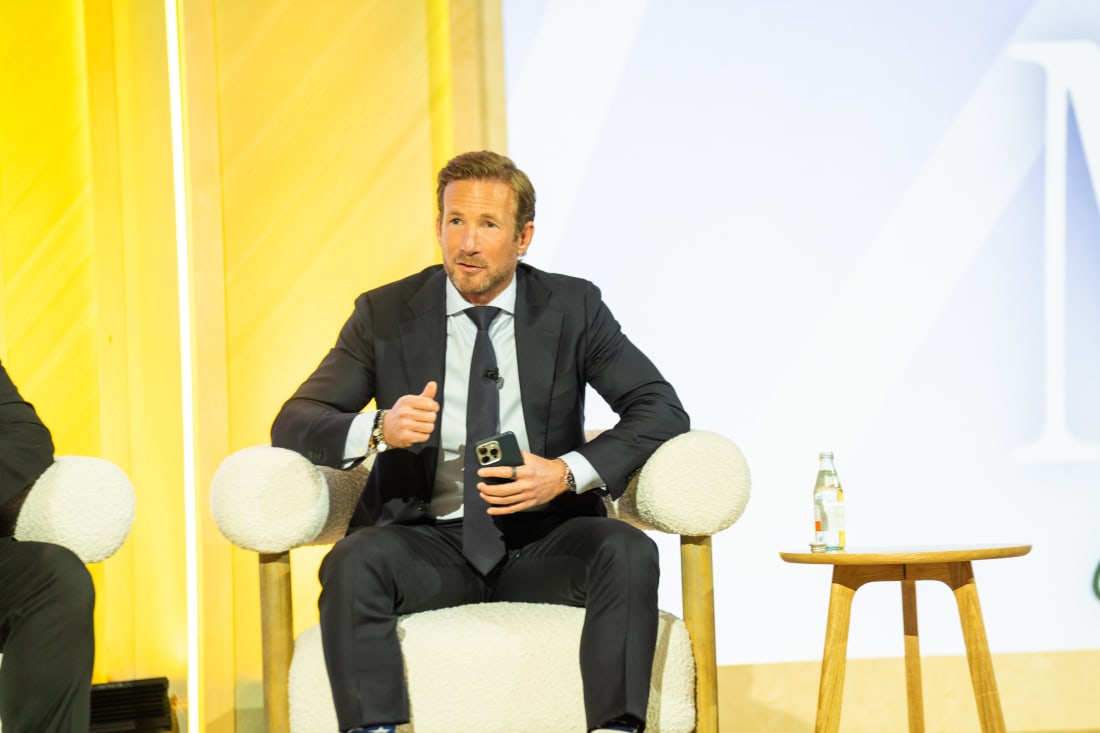 |
It’s been a long road from Karp’s fraught beginnings to his moderating a panel titled “Food As Medicine” at the November 2025 MAHA Summit, produced by MAHA Action, the national organization leading the Make America Healthy Again movement. The summit brought together scientists, entrepreneurs, policymakers and families in a joint mission to curtail the chronic disease epidemic in America.
 |
Karp began his presentation by describing his “uniquely personal issue,” walking “down a path that MAHA stands for” to achieve “what science would consider a living, walking miracle.” He introduced his colleague Vani Hari, who spoke of how together “we have changed the way people are looking at their food,” with polls showing forty percent of consumers now take the time to read a product’s ingredients.
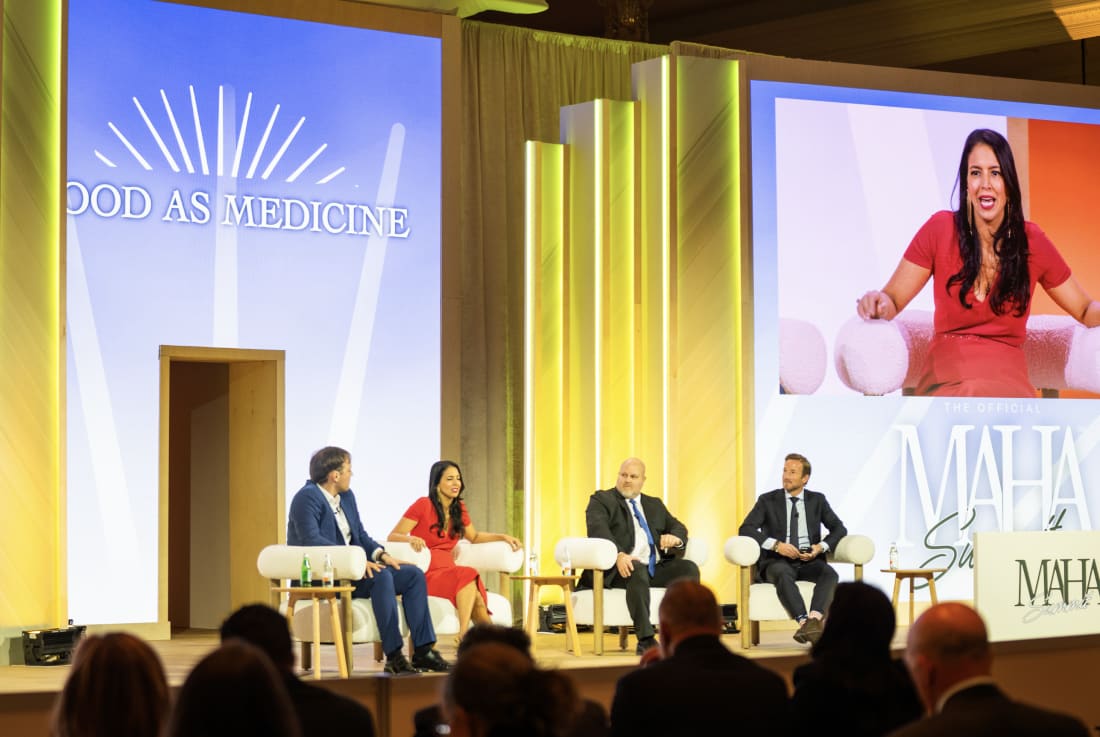 |
Also featured on the panel was Aidan Dewar, cofounder and CEO of Nourish, the largest food-as-medicine startup in the country – connecting patients with a network of more than 5,000 registered dieticians and lab testing, all covered by health insurance. Similar to Karp, Dewar found his calling following a dietary change that eliminated his debilitating migraines.
Finally, Scott Morris described his role at Walmart, where his responsibility is food and consumables for the company’s private label portfolio. Walmart, the largest retailer in the U.S., had announced it was removing food dyes from that portfolio. The company’s Better Goods brand, launched a couple of years ago, brings simplified cleaner ingredients to its millions of customers.
 |
In an op-ed published on his HumanCo website, Karp writes: “We are at an inflection point in a food revolution as awareness builds around the abysmal failure that is the American approach to diet and disease. And amidst this revolution, there are great opportunities for philanthropy, investment, and productive uses of capital to effect change.”
Noting that there are easy solutions to reducing chronic disease and the high cost of healthcare “that do not require cutting-edge science or pharmaceuticals,” Karp writes of the need to promote “whole foods and treat addictive, processed foods like tobacco.”
He continues, “As we reduce the buying of cheap junk food and invest in our health by buying real, whole foods, the invisible hand of economics will force corporations to change their practices.”
Finally, Karp says he and his team at HumanCo envision a new way forward. “Let’s change this paradigm and address the root cause of most chronic disease by using food as medicine instead of food as poison,” Karp writes.
Jason Karp, once the wunderkind of the hedge fund world, is indeed a living, breathing testament to that pioneering approach.
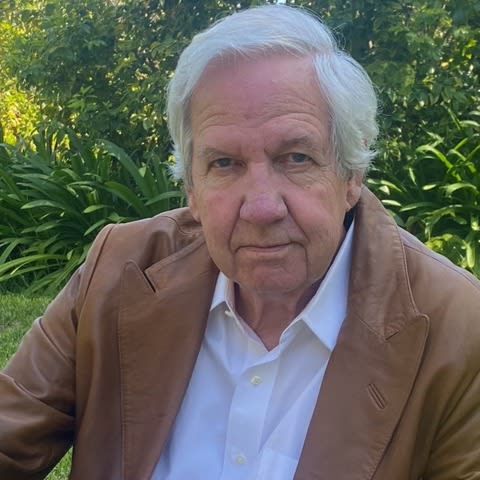
Dick Russell is the author of sixteen books, including The Real RFK Jr.: Trials of a Truth Warrior.
 | A guest post by
|
Thank you for subscribing to The MAHA Report
You can follow us at: TheMAHA_Report on X
You can also follow us at: MAHA Action on Facebook
Make America Healthy Again™ and MAHA™ are trademarks owned by MAHA TM LLC
| ||||||||||

