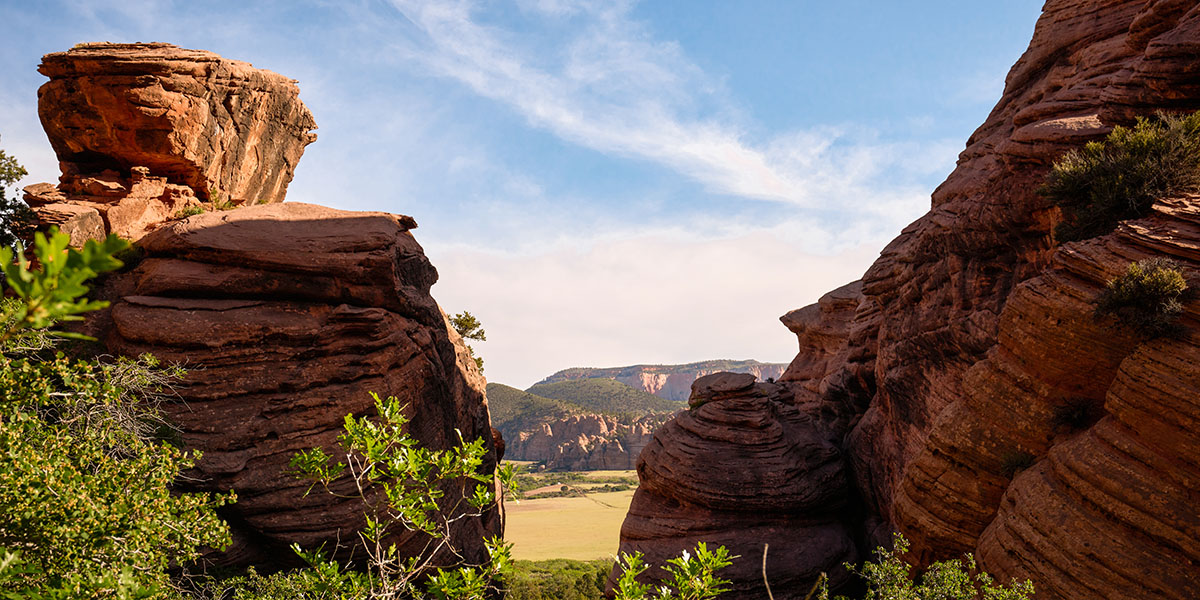
Sheer red rock walls rise thousands of feet overhead. Cottonwoods line the Virgin River. Trails wind through landscapes that feel permanent.
At first glance, Zion seems whole and fully protected for generations—but it's not.
Near one of Zion's volcanic cones sits a sprawling yellow mansion beyond a gated driveway, a private home where most people assume only protected parkland exists.
It raises a troubling question: How could a mansion exist inside a national park?
The answer reveals a hidden truth about Zion, and about national parks across the country.
Across 433 National Park Service sites, approximately 15,000 privately owned parcels, known as inholdings, are located within park boundaries. Together, they total 2.5 million acres—nearly the size of Connecticut.
These inholdings limit visitor access, fragment wildlife habitat, complicate wildfire management, and leave parks exposed to development that doesn’t belong.
That home was recently built on private land that has been in the same family for generations, dating back to before Zion was established in 1919. It's just one structure, but it serves as a striking reminder that even our most iconic landscapes remain vulnerable.
Our new report reveals, for the first time, just how widespread this problem is—and what can be done to fix it.
Because if one yellow mansion can rise inside Zion, imagine what could happen elsewhere: resorts on canyon rims, oil rigs beside trailheads, or fences cutting through wildlife corridors.
In too many places across the country, that imagined future is already here.
But Zion also shows us that a better outcome is possible. Every time we protect an inholding, we fill one more gap in our national parks.
In 2024, we worked with partners to purchase a 48-acre inholding inside Zion from the Lowe family—longtime cattle ranchers who no longer used the land and wanted it to remain undeveloped. With funding from the Land and Water Conservation Fund (LWCF), the property was transferred to the National Park Service and permanently protected.
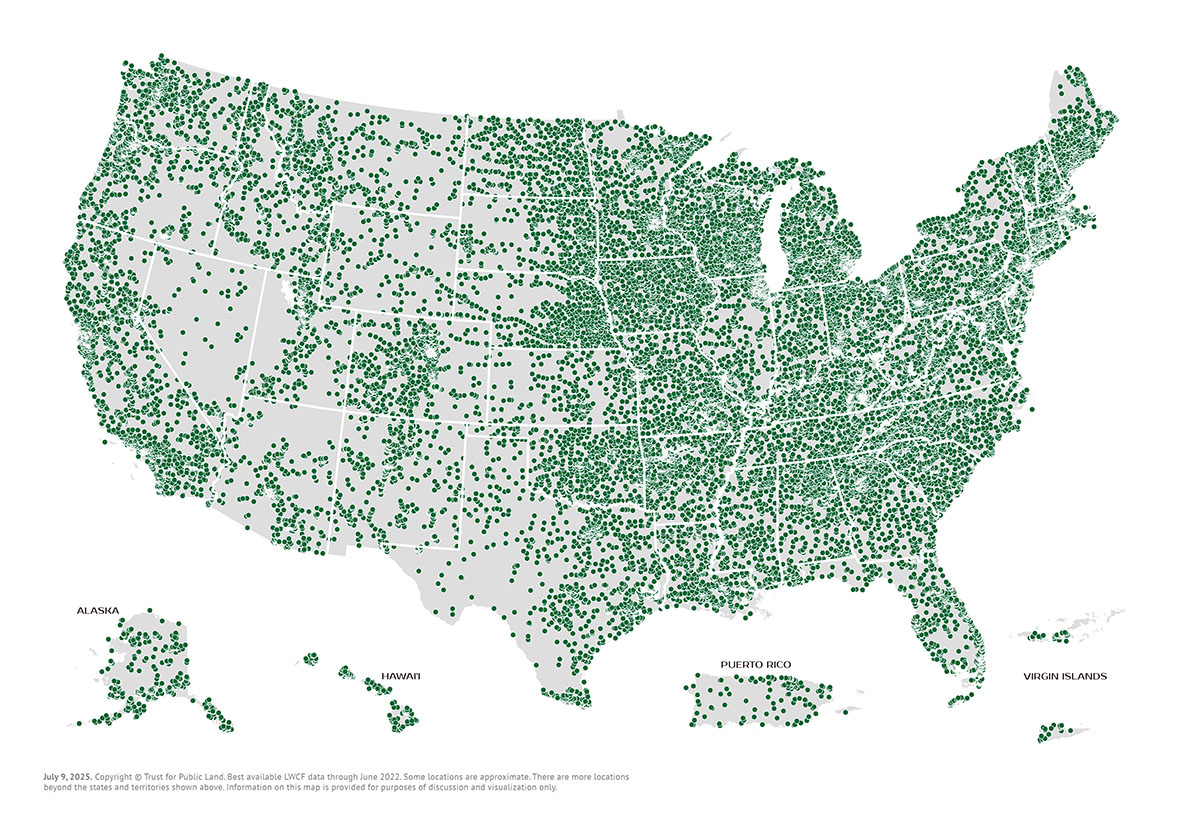
That's the power of LWCF.
Since 1964, LWCF has made it possible to protect the missing pieces of our national parks—turning once-fragmented landscapes into places where people can explore and wildlife can thrive without encountering barriers.