|
 |
from the desk of Dana Criswell
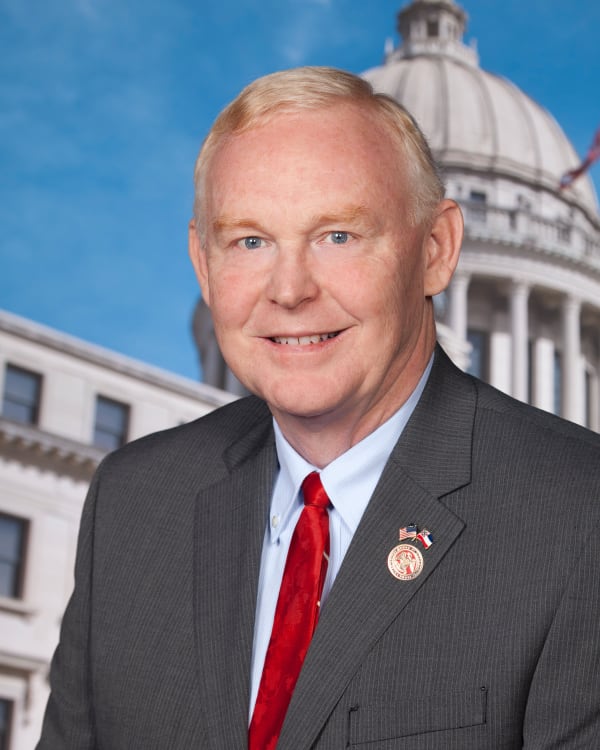


Mississippi’s HB 2 is an education “omnibus,” and that’s both its strength and its risk. It bundles a lot of policy in one vehicle—some of it overdue, some of it ripe for political gamesmanship. But strip away the Christmas-tree packaging and the heart of the bill is clear: it moves power away from the system and back to families. In a state where too many parents feel trapped by ZIP code and bureaucracy, that’s the right direction.
At the center is the Mississippi Education Freedom Program and its Magnolia Student Accounts. MSAs are simple in concept: the state deposits education dollars into an account, and parents use that money for real educational needs—tuition, fees, tutoring, curriculum, testing, transportation, and certain learning devices. It even draws a common-sense line in the sand by excluding entertainment tech like televisions, video-game consoles, and VR products. That’s not “defunding” public education; it’s acknowledging that education is about children, not institutions.
The bill also tries to avoid the biggest trap in school choice: letting the government “buy” private education and then slowly regulate it into a public-school clone. HB 2 explicitly says state agencies can’t regulate participating schools’ curriculum, teaching methods, admissions, discipline, governance, or daily operations. It does not force Mississippi statewide assessments, and it bars using the program as a backdoor to public-school accountability ratings. Instead, parents choose from approved assessments, results go to the fund manager, and the state publishes a program-level report with no student-identifying information. That’s the kind of accountability adults should want—transparent outcomes without bureaucratic control.
HB 2’s funding design is also more thoughtful than critics will admit. Students in the main category (participating school/postsecondary) receive an amount tied to the state’s student base funding. Meanwhile, students in “nonparticipating schools” are capped at $2,000 per student (and $4,000 per household), and homeschool families are capped at $1,000 per family—small-dollar flexibility rather than a blank check. Unused funds can carry forward, and remaining funds after graduation can be used at participating postsecondary institutions, with eventual reversion rules to prevent permanent stockpiling.
Participation is phased—12,500 students in 2027–28, 15,000 the next year, 17,500, then 20,000—then expands only after the cap is hit and a waitlist forms. The bill prioritizes lower-income families using area median income tiers before any lottery is even allowed. That’s a direct answer to the usual charge that “choice is only for the wealthy.”
Finally, HB 2 reinforces choice beyond MSAs: it creates a pathway for student portability scholarships tied to transfers when funding disputes arise, establishes a “Tim Tebow Act” for homeschoolers to participate in public-school extracurriculars, and expands charter authorization language to allow charters in any district (subject to conditions).
Legislators should pass the school-freedom core—and keep it clean. Don’t let side deals, new bureaucracies, or unrelated provisions poison what could be one of Mississippi’s most meaningful pro-parent reforms in a generation.
Read all of Dana’s post and stay informed about politics in Mississippi
| ||||||||||

