Image

Daily News Brief

January 13, 2026

Welcome to CFR’s Daily News Brief. Today we’re covering U.S. President Donald Trump’s announcement of tariffs on Iran’s trading partners, as well as...

  • U.S. and global central bankers’ backing of Federal Reserve chair Jerome Powell

  • A trade deal between the Philippines and United Arab Emirates (UAE)
  • Venezuela’s release of political prisoners


Top of the Agenda

The United States will impose 25 percent tariffs on goods from any country doing business with Iran, Trump wrote on social media last night. The announcement came after Trump called for Iranian authorities to abstain from violence against antigovernment protesters and raised the prospect of U.S. intervention. He did not immediately issue an executive order imposing the tariffs, which would hit goods from countries including China, India, Iraq, Russia, and Turkey. Inside Iran, authorities allowed people to make international phone calls today, though a broader communications blackout remained in place. 


The stakes of new tariffs. Trump did not specify whether the new tariffs would be added to, or replace, existing tariff rates. China, which is Iran’s largest trading partner, criticized the measure, with a spokesperson for its U.S. embassy writing on social media that “coercion and pressure cannot solve problems.” Trump also did not clarify the legal authority he would use to impose the tariffs. He has used a 1977 emergency powers law to impose many tariffs so far, though the Supreme Court could soon strike down that authority. 


The United States trades so much with Iran’s trade partners—including China—that stacking a 25 percent tariff on top of existing rates could introduce a “meaningful shock” to the U.S. economy, CFR expert Brad Setser told the Washington Post. Iran, for its part, did not immediately comment on Trump’s tariff announcement.


The scene in Iran. Iranians able to make calls abroad today detailed heavy security force deployments in central Tehran, few people in the streets, and burned-out government buildings. An unnamed Iranian official told Reuters today that an estimated two thousand people, including security agents, have been killed in the demonstrations.


“[Trump] is capable and willing to do things out of everybody’s imagination, but at the same time, he clearly is not into nation-building. He doesn’t want to put troops on the ground. He’s not necessarily interested in regime change; he’s interested in regimes that are there doing what he’s asking them to do. So I think that’s scary for Iran...although Iran is orders of magnitude more difficult than Venezuela.”

—Johns Hopkins’ Vali R. Nasr in a YouTube Short


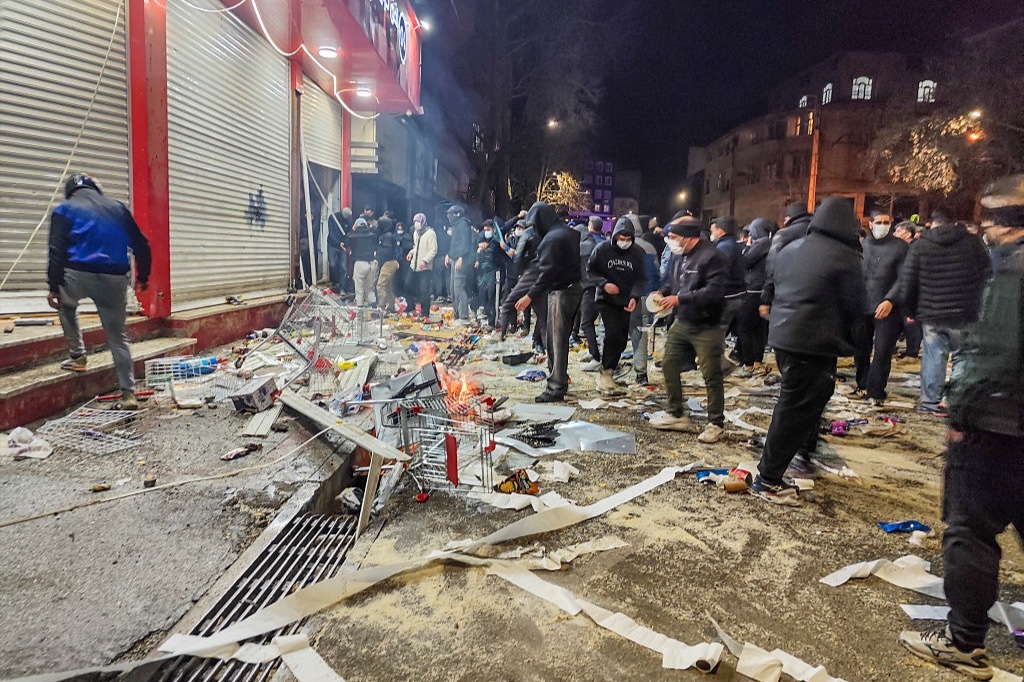
Iran’s Protests and Internet Blackout

Iranians gather while blocking a street during a protest in Kermanshah, Iran on January 8, 2026.

Kamran/Getty Images

Despite authorities’ repeated efforts to restrict communications in the country, in recent years Iran’s public has still found ways to share information with the world, CFR’s Mariel Ferragamo writes in this article.


Across the Globe

Central banks back Powell. Governors from central banks around the world issued a joint statement today in support of U.S. Fed chair Jerome Powell after the Justice Department opened an investigation into him. The global central banks called central bank independence a “cornerstone of price, financial, and economic stability.” Yesterday, every living former Fed chair also issued a statement, saying the criminal investigation was “an unprecedented attempt” to undermine Fed independence. 


Philippines-UAE trade deal. The Philippines signed its first-ever free trade agreement with a Middle Eastern country in Abu Dhabi today. The Philippine government said it could boost Philippine exports to the UAE by more than 9 percent. Bilateral trade totaled around $1.83 billion in 2024. The deal was intended to reduce tariffs, though the countries did not announce by how much. 


Coal power decline. Use of coal-powered electricity fell by 3 percent in India and 1.6 percent in China last year, according to an analysis by a Centre for Research on Energy and Clean Air expert. Both countries expanded their clean power capacity by record amounts in 2025. The shift comes after an anticipated peak in global coal power use was delayed in recent years by the war in Ukraine, which caused a surge in gas prices.


Prisoners freed in Venezuela. The government freed fifty-six political prisoners in the country since Venezuela’s top legislator announced the releases as a “peace” gesture on January 8, according to human rights group Foro Penal. Authorities claimed yesterday that it was more than 110. Meanwhile, Venezuelan opposition leader María Corina Machado met with Pope Leo yesterday at the Vatican, ahead of her meeting with Trump later this week. 


U.S. AI military strategy. The Defense Department launched a strategy yesterday to accelerate its use of artificial intelligence (AI). It includes seven projects and will test training AI agents, using AI to simulate adversary responses, and increase permission for department personnel to use AI models. The department will also “invest substantial resources” in its access to AI computing power such as data centers.


Rising civilian deaths in Ukraine. Conflict-related violence killed 2,514 civilians in Ukraine last year, more than any year since the war’s start in 2022, the UN human rights office said yesterday. The 31 percent rise in civilian deaths and injuries was due not only to expanded frontline fighting but also to heightened use of long-range weapons, a UN official said.


Havana syndrome device. For more than a year, the Defense Department has been testing a device suspected to be linked to health incidents known as Havana syndrome, four unnamed sources told CNN. The Homeland Security Department and Pentagon reportedly bought the device for “eight figures” in an undercover operation in the last days of the Biden administration. The device’s purpose remains unclear, as is its connection to the still-unexplained ailments.   


G7 critical minerals talks. Senior officials from Group of Seven (G7) countries—as well as Australia, India, Mexico, and South Korea—attended a meeting at the U.S. Treasury yesterday on securing and diversifying critical mineral supply chains. Attendees reportedly discussed how to reduce dependence on Chinese rare earths, with Germany’s finance minister saying the officials debated the potential establishment of a price floor on rare earths, Reuters reported. 


Central Banking in the Year Ahead

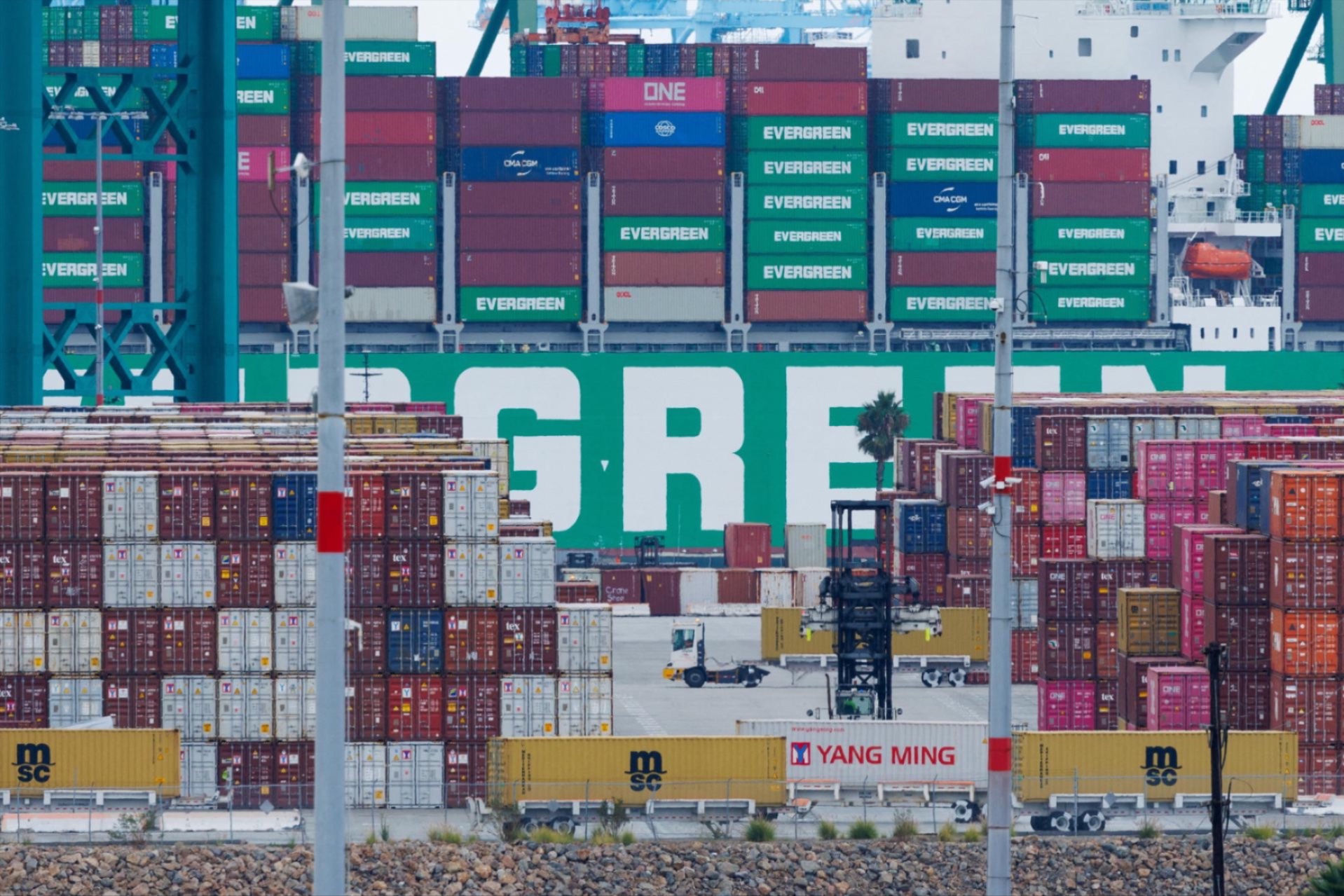
Chinese shipping containers sit at the Port of Los Angeles in San Pedro, California, November 5, 2025.

Mike Blake/Reuters

Compared to last year, the data is providing a clearer picture of the likely effect of U.S. tariffs on inflation, Federal Reserve Bank of New York President and CEO John C. Williams said at this edition of CFR’s C. Peter McColough Series on International Economics.


What’s Next

  • Today, South Korean President Lee Jae-myung visits Japan.
  • Today, Canadian Prime Minister Mark Carney begins a visit to China.

  • Tomorrow, the foreign ministers of Denmark and Greenland are expected to visit Washington, DC.


Transforming the Global Health Ecosystem in 2026

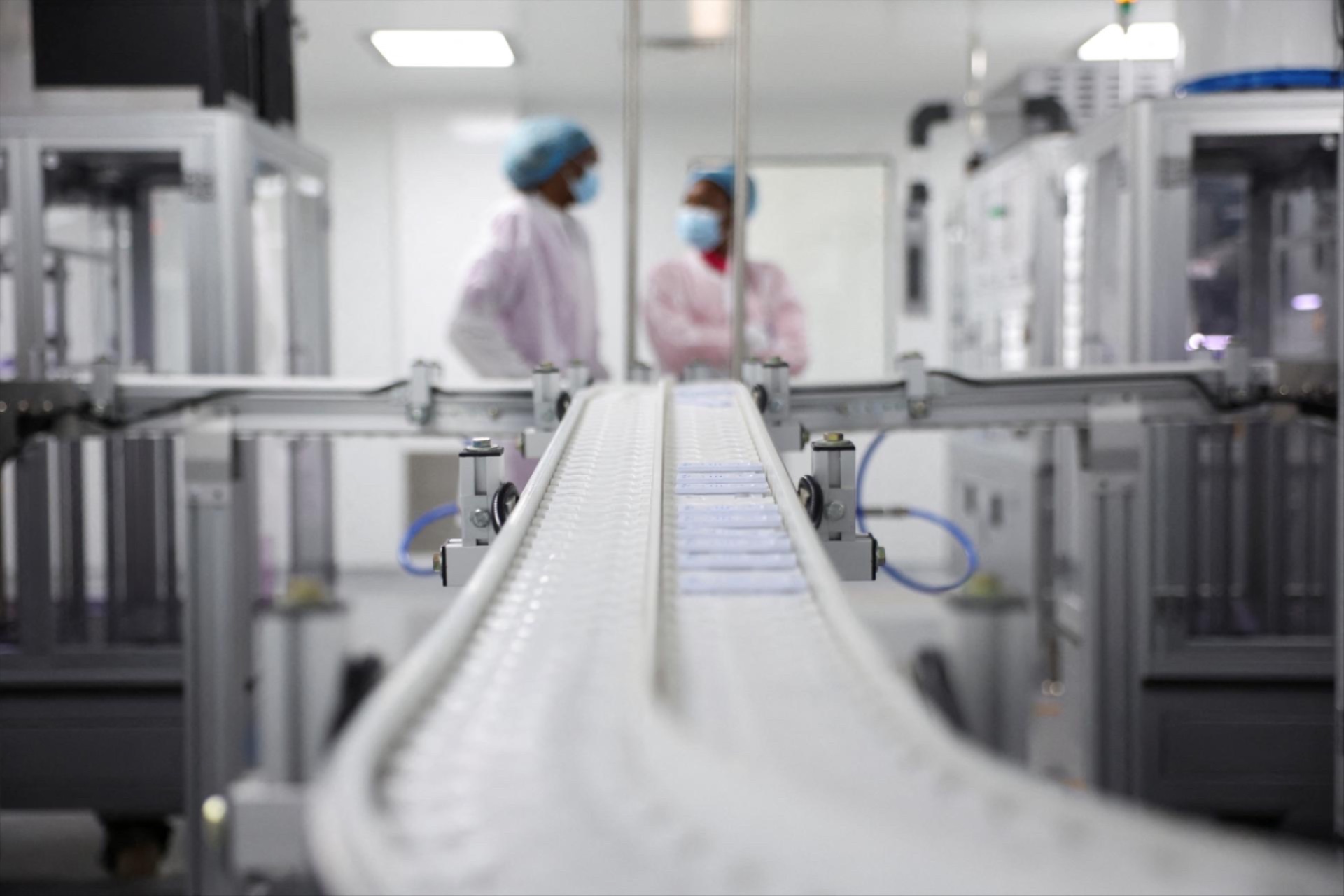
Plastic test cassettes for HIV 1/2 roll on a machine at Codix Bio production plant where HIV and Malaria test kits are locally produced, in Iperu-Remo, in Ogun State, Nigeria, on June 18, 2025.

Sodiq Adelakun/Reuters

African health and finance officials Muhammad Ali Pate and Donald Kaberuka, as well as former executive director of UNAIDS Peter Piot, offer ten considerations for global health reform initiatives for Think Global Health.


Council on Foreign Relations

58 East 68th Street, New York, NY 10065

1777 F Street, NW, Washington, DC 20006

Was this forwarded to you? Subscribe to the Daily News Brief

FacebookTwitterInstagramLinkedInYouTube

Manage Your Email Preferences

View in Browser