|
 |
Washington’s New Food Rules Brings Big Wins for North Carolina Farmers
New Federal Nutrition Policy Aligns With North Carolina’s Agricultural Strengths
|

| |||||||||||||||


 |
Here’s another move from the Trump administration that might work in our favor.
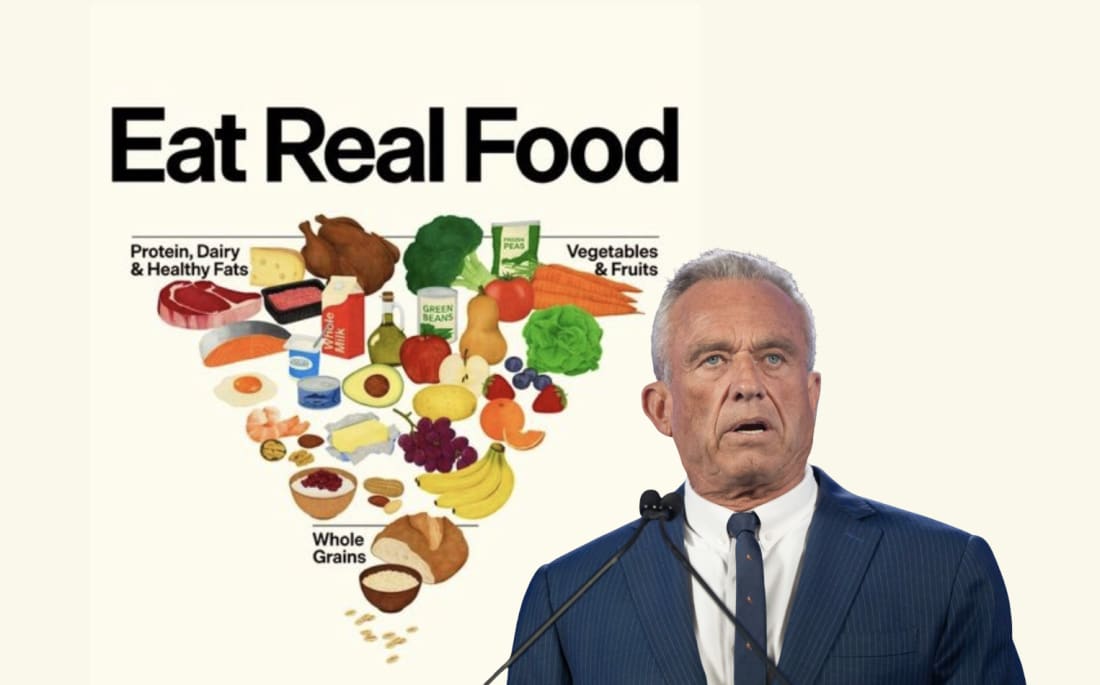
Last week, the Department of Health and Human Services released new dietary guidelines that shift how the federal government wants Americans to eat — and it’s good news for North Carolina’s farmers and rural communities.
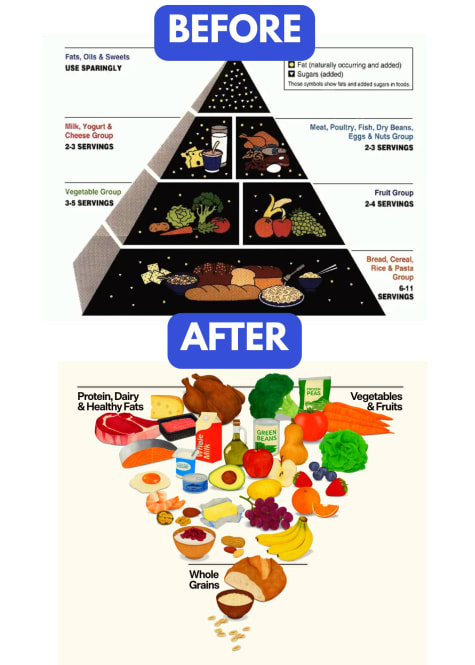
The biggest change? A major emphasis on lean protein — real food like chicken, pork, eggs, beef, and dairy. In other words, the foods most of us grew up on.
The government is moving away from the outdated, carb-heavy food pyramid of the past. That means less sugar, fewer processed snacks, and more of the protein-rich meals many of us already prefer.
Americans need real food. Not fake meat. Not lab-grown burgers. Just the kind of balanced, protein-rich meals that our grandparents cooked every day.
The change comes after years of evidence showing that low‑protein, high‑carb diets contributed to rising obesity, diabetes, and heart disease. But this isn’t just about health - about the economy too. In North Carolina, it could bring real dollars back to our farms.
 |
Why This Matters in North Carolina
North Carolina is a meat-and-potatoes state. Always has been.
Agriculture is the backbone of many local economies, especially in the eastern and central counties. And animal agriculture is the crown jewel:
Poultry alone is a $39.7 billion industry here and supports around 150,000 jobs.
Pork production brings in over $10.8 billion and more than 42,000 jobs.
Cattle and dairy operations contribute hundreds of millions more.
These aren’t just numbers. These are family farms, processing jobs, trucking companies, feed suppliers, and small-town stores that depend on AG dollars to stay open.
So when Washington says Americans should eat more protein, that’s not just a dietary shift. That’s a chance to revitalize rural North Carolina.
Three Ways This Helps Our State
1. More Demand for Local Meat and Eggs
If more Americans choose chicken, pork, and eggs over junk food, our farmers will feel it first. That means better prices at the farm gate, more sales at processing plants, and a stronger market for North Carolina products.
Our state already leads the nation in poultry production — more than 900 million broilers and 29 million turkeys a year. This policy change could boost those numbers even higher.
2. More Jobs and Tax Dollars
Protein farming already contributes $1.8 billion in income taxes — including $1.4 billion from poultry and $379 million from pork. That helps fund schools, roads, and public safety in our communities.
As demand rises, so will job growth in farming, transportation, processing, and veterinary care. That’s especially important in rural counties where high-paying jobs can be hard to come by.
3. Stronger Rural Economies
This policy helps protect what we value: independent farms, self-reliance, and local control. Big-city politicians may not think much about a hog farm in Duplin County or a feed mill in Sampson, but these are the places that feed America.
A stronger focus on protein helps keep our young people employed locally, supports feed crop growers, and brings money back to communities that Washington too often overlooks.
Back to Basics
For years, we’ve watched bureaucrats and progressive activists push plant-based diets and anti-meat messaging. Billionaires like Bill Gates told us to eat less red meat. They warned us about eggs. They pushed soy over steak.
Now, with obesity and diabetes at all-time highs, even Washington has to admit it: Americans need real food. Not fake meat. Not lab-grown burgers. Just the kind of balanced, protein-rich meals that our grandparents cooked every day.
That’s a win for health — and for common sense.
Looking Ahead
The new dietary guidelines aren’t a panacea for all that ails the industry. There’s still more work to do to support farmers, fix immigration issues in AG labor, and keep environmental regulations in check. But this is a step in the right direction.
When government policy rewards hard work and backs American farmers, we all benefit. North Carolina’s rural backbone, from chicken houses to pig farmers, deserves that kind of recognition.
And if this reset brings more better health, business to our farms, more security to our jobs, and more food grown right here at home?
That’s a rare win-win.
You're currently a free subscriber to NC Political Tea. For the full experience, upgrade your subscription.
| ||||||||||

