|
 |


 |
In 1787, as Benjamin Franklin emerged from the Constitutional Convention, he was famously asked what kind of government the delegates had created. His response — ”a republic, if you can keep it” — was not a guarantee of success, but a challenge. It was a reminder that the power of the American government does not flow from the top down, but from the bottom up.
Today, we find ourselves at a crossroads where that fundamental truth is being tested. We are hearing whispers — and sometimes shouts — from the halls of power, including from the President’s Deputy Chief of Staff, suggesting that “might makes right.” This philosophy argues that those with the most influence, the most money, or the loudest platforms should dictate the direction of our nation and the world.
But that is not the American story. Our history is defined by the rejection of that very idea.
The Architecture of Accountability
The founders understood that power is a heavy thing, and if left unchecked, it tends toward tyranny. That is why they didn’t just give us a government; they gave us a toolkit for holding it accountable.
At the heart of this toolkit is the First Amendment. While we often focus on the freedom of speech or the press, it also guarantees our right to “petition the Government for a redress of grievances.” This is the mechanism by which the servant (the government) is reminded of its master (the people).
When the government oversteps, when it forgets who it serves, or when it begins to believe that “might” is its own justification, the Constitution gives us the authority to stand up and say, “Not in our name.”
Democracy is a Verb
For nearly 250 years, the American experiment has survived not because of the benevolence of those in office, but because of the persistence of those outside of it. Democracy is not a spectator sport; it is hard, continuous work.
Holding the government accountable requires more than just casting a ballot every few years. It requires an active role in the daily life of our republic:
Direct Contact: Making the phone calls and writing the letters that force representatives to hear the voices of their constituents.
Petitions and Protests: Gathering in the public square to show that a movement is not just a digital trend, but a physical reality that cannot be ignored.
Funding the Cause: Supporting the organizations who do the heavy lifting of defending our rights, like our strategic litigation partner Campaign Legal Center.
Education: Ensuring that you and your community understand the stakes. Knowledge is the ultimate defense against the erosion of rights.
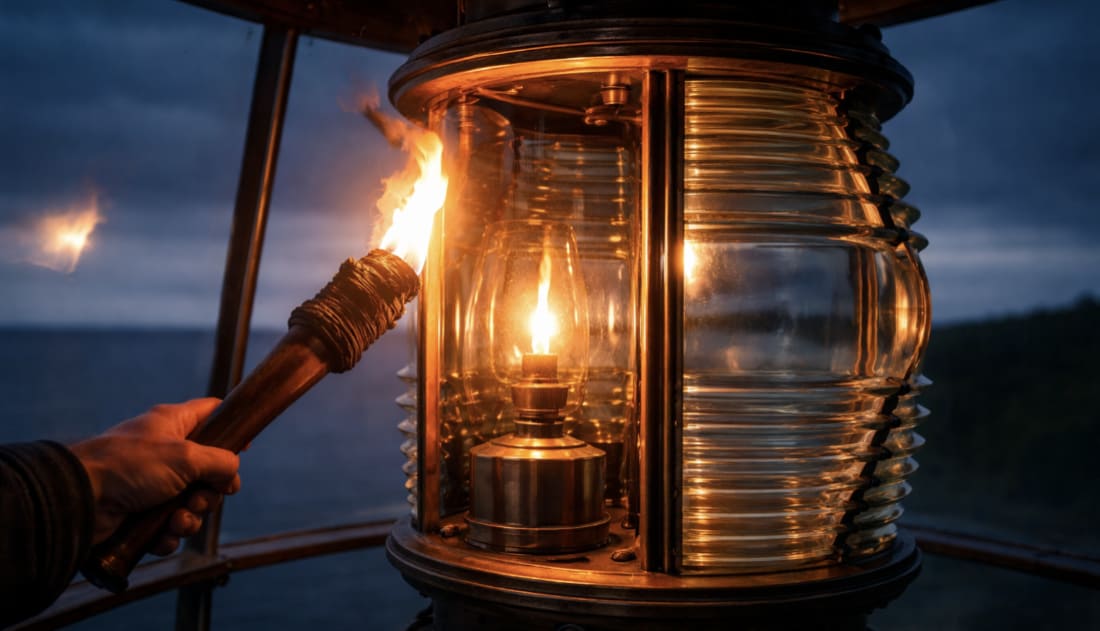
Holding the Torch
We are currently the stewards of a legacy that was paid for in sacrifice. From the suffragettes who marched for the right to vote to the civil rights leaders who faced down fire hoses, every generation has had its own work to do to expand and protect our freedoms.
The idea that “might makes right” is an old, tired concept that belongs to the monarchies and dictatorships our ancestors fled. Our country was built on the radical notion — even if imperfectly executed — that right makes might.
If we want to ensure that our children and grandchildren inherit a country where their voices matter, we cannot afford to be weary. We must continue the work of self-governance. We must remind those in power that they are not the masters of the people, but their representatives.
Democracy requires work. It has always been this way. And it is work that we must continue to do — together.
 |
Help us fuel lawsuits against Donald Trump’s abuses of power and break through to disengaged Americans. You’ll never be required to donate in order to be part of Bright America, but an investment of ANY size adds up to a huge impact when enough of us put some money where our minds and hopes are.
| ||||||||||

