A coal terminal in Superior will terminate its operations this year as cargo shippers are moving less tonnage via the Great Lakes. |
By Jackson Walker & Mike Nichols
|
A decline in cargo moving across the Great Lakes via United States-flagged “lakers” has led to widely felt impacts in port towns, including at a major Superior coal terminal now slated to shutter its operations by this upcoming summer.
Total tonnage of all cargo moved across the Great Lakes via U.S.-flagged lake freighters declined 26 percent between 2006 and 2023, the last year available. Coal tonnage over that same period dropped 67 percent.
The latest impact of the precipitous drop, triggered by the transition away from coal-fired power plants, is being felt in Superior, where Midwest Energy Resources Co., owned by Michigan electric power utility DTE, has decided not to renew its 50-year lease of a coal terminal owned by Koch Industries. That facility transfers coal from rails to ships and has been in operation since 1976. |
MPS finally steps up remediation |
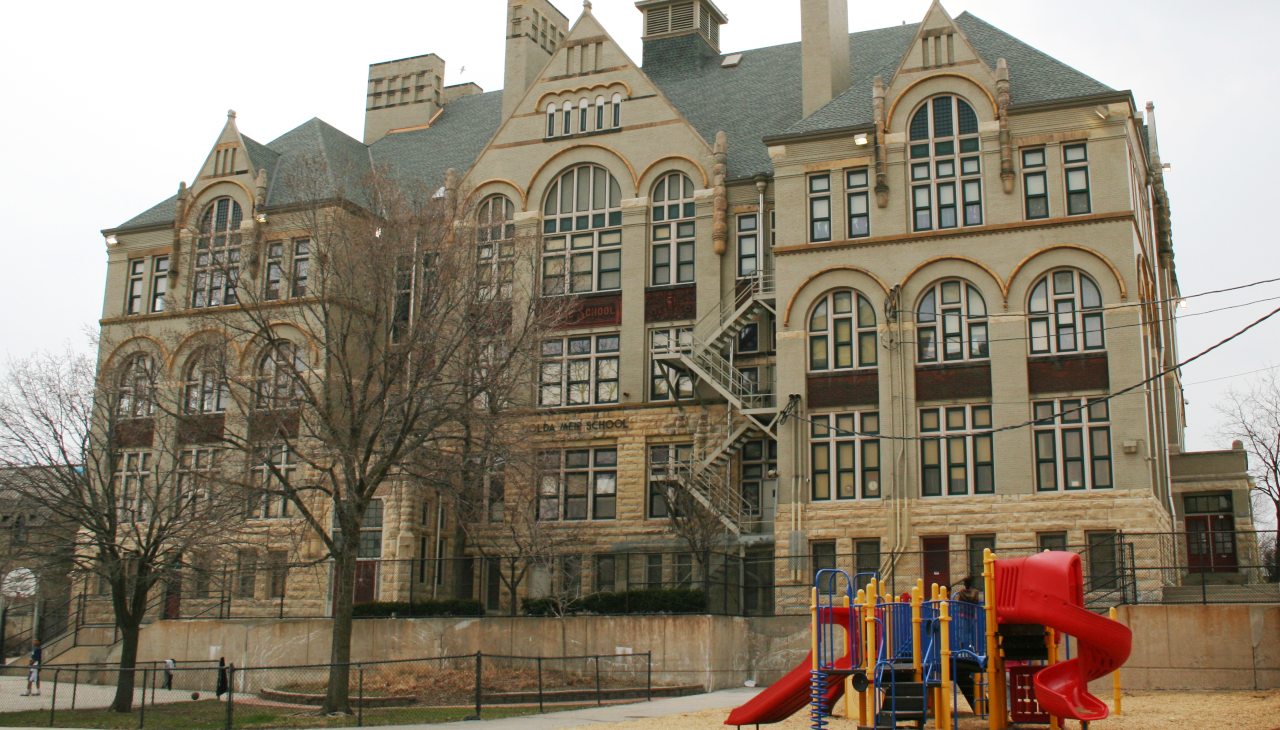
Nearly 50 years after the U.S. government banned lead-based paint, Milwaukee Public Schools officials have again been trying to cover up or remove the toxic substance that parents likely presume was dealt with long ago.
There can be no doubt the owner of the schools — the City of Milwaukee — knew about the hazards of lead paint. The city, concerned about lead exposure in homes, was itself for years a plaintiff in extensive lead paint litigation against the paint industry. There has been less public discussion — until recently — of schools.
While MPS’ school buildings are owned by the city, they are managed by the school district that has recently — many decades after it became clear lead paint can severely harm childhood growth and brain development — spent approximately $45 million remediating lead paint in more than 100 MPS schools.
MPS undertook the cleanup after an elementary student at the Golda Meir School Lower Campus tested positive for lead poisoning last January. |
Rep. Robin Vos has expressed optimism that Gov. Tony Evers and the Legislature can come to terms on a bipartisan FoodShare measure. Evers is seeking additional funding to ensure the state avoids federal penalties for erroneous payments; legislative Republicans are seeking to codify a ban on the purchase of soda and candy with FoodShare benefits.
The Badger Institute has long been in favor of such a ban. |
|
|
The board of directors for the Corporation for Public Broadcasting has voted to dissolve the organization, which funded National Public Radio (NPR), the Public Broadcasting Station (PBS) and other local media outlets across the country. The dissolution comes after Congress voted in July to cut funding for the organization.
As Mike Nichols wrote leading up to the vote — particularly urging Wisconsin to follow the federal government’s lead — “Government should not be paying journalists and the people who manage and edit them, especially in a day and age when there are so many other media outlets and podcasts and social media platforms and government-funded books and writers and universities and artists.” |
State Sen. Rachael Cabral-Guevara is proposing legislation that would permit the operation of driverless vehicles in Wisconsin.
As Pat McIlheran points out, implementing the technology in Wisconsin could mean expanded access to preferred goods and services for rural residents.
“If autonomous vehicles can conquer distance more flexibly than buses, they will disrupt the top-down program of rolling up suburbia. If you happen to think a great part of America is getting to live where and how you want with a backyard all your own, then that’s some awfully sweet disruption.” |
The Badger Institute is proud to participate in a coalition of statewide partners calling on the Wisconsin Legislature to schedule floor votes on the Red Tape Reset — a package of regulatory reform bills that supports small businesses, strengthens Wisconsin’s economy, and restores proper constitutional checks and balances. |
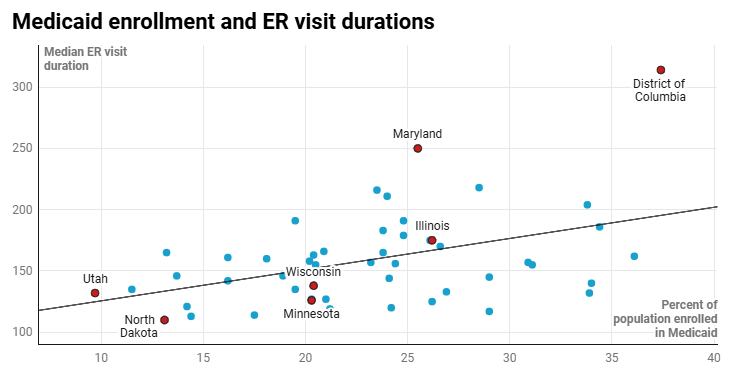
States with higher shares of Medicaid enrollment tend to have longer overall visits to emergency rooms, analysis by the Badger Institute found. Becker’s Hospital Review published an analysis of CMS data detailing the median duration of visits to the emergency department at hospitals across the country. The Badger Institute compared those values to Medicaid enrollment rates obtained from Medicaid.gov.
Badger Institute found a slight positive correlation in the data, with a state’s median duration increasing by about 2.5 minutes for each additional percentage point of its population enrolled in Medicaid. |
|
|
Weekly survey: The Evers administration this week shocked lawmakers by announcing that Wisconsin’s Medicaid spending is ______ higher than expected.
|
|
|
Previous survey question: |
|
|
The U.S. House of Representatives passed a bill by Rep. Tom Tiffany that, if approved by the Senate, would remove the state’s rapidly expanding and aggressive gray wolf population from the endangered species list and open the door for state management. |
| |
|
Invest in the Badger Institute |
|
|
|
The Badger Institute has long been at the forefront of the fight for school choice, right to work, welfare reform, tax restructuring, limited government, civil society and so much more. If you appreciate the Institute’s legacy and want to support free markets, opportunity and prosperity, please consider donating today. Your support will help the Institute continue to advocate for conservative principles now and in generations to come.
|
|
|
The Institute never has, and never will, accept government funding. We gratefully welcome your online donation or email Mike Nichols, President. The Badger Institute is a 501(c)(3) tax-exempt nonprofit organization funded solely by the generosity of foundations, companies and individuals. |
|
|
Badger Institute
700 W. Virginia St., Suite 301
Milwaukee, WI 53204 |
|
|
|