Image

Daily News Brief

January 8, 2026

Welcome to CFR’s Daily News Brief. Today we’re covering the Trump administration’s plans for Venezuela’s future, as well as...

  • U.S. President Donald Trump’s order to withdraw from global bodies en masse
  • Russia’s response to European postwar plans for Ukraine
  • The deepening Saudi-Emirati rift over Yemen


Top of the Agenda

Trump administration officials announced sweeping plans for directing Venezuela’s oil sector and political future yesterday. Energy Secretary Chris Wright said the United States intends to sell Venezuelan oil on the international market, while Secretary of State Marco Rubio described a three-phase plan for economic stabilization and political transition inside the country. Trump told the New York Times yesterday that he expected U.S. oversight of Venezuela to last for years, and that the interim government there is “giving us everything that we feel is necessary.” 


The details. The United States is “selectively” reducing sanctions to allow the transport and sale of Venezuelan oil on global markets, the Energy Department said in a statement. Funds from those sales will go to U.S.-controlled accounts at “globally recognized banks” and will then be disbursed “for the benefit of the American people and the Venezuelan people.” Unnamed sources told the Wall Street Journal the U.S. plans include some control of Venezuela’s state oil company.


Rubio told reporters yesterday that after stabilizing Venezuela through oil sales, Washington would facilitate the reentry of international energy firms alongside a political “reconciliation” process in which opposition actors will be released from prison. A third “transition” phase would follow, though he did not elaborate. Rubio said the U.S. quarantine on Venezuelan oil—including yesterday’s seizure of two tankers—gave Washington the leverage to carry out its plan.   


Reactions in both countries. Venezuela’s state oil company said in a statement yesterday that it was negotiating oil sales with the United States, but did not confirm the details announced by U.S. officials. Reactions from U.S. lawmakers briefed on the White House plans yesterday were divided along party lines. U.S. energy companies expressed skepticism about returning to Venezuela given the volatile policy environment, the Financial Times reported.


“[Venezuelan President Nicolás] Maduro’s removal might facilitate Venezuela’s transition to democracy, tank Cuba’s regime, and advance Trump’s bid to assert U.S. hemispheric dominance. Alternatively, a reshuffled Maduro regime might simply accept more deportees from the United States and give Washington control over its oil reserves, but otherwise change little…A narrow deal—support for [acting President Delcy] Rodríguez in exchange for more oil and less aid to Havana—[is] the path of least resistance for both sides.”

—CFR expert Will Freeman, Foreign Affairs


Maduro’s Capture and International Law

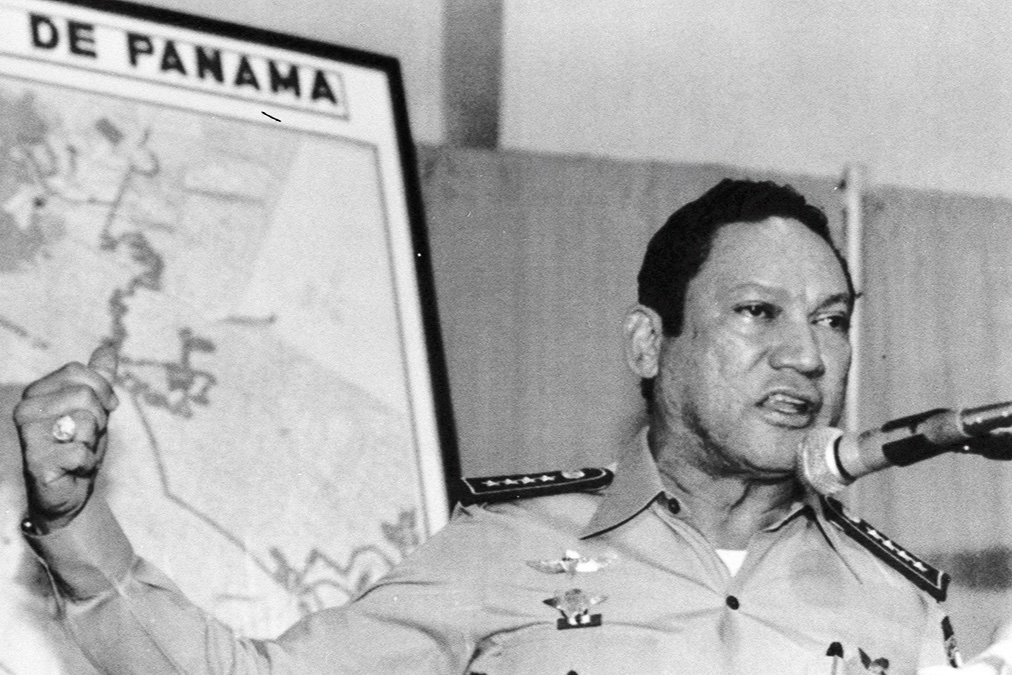
Panamanian General Manuel Noriega addresses a group at the International Conference against U.S. Intervention on November 29, 1989.

Beth Cruz/Reuters

The capture of Maduro has spurred comparisons to the U.S. operation to arrest and extract Panamanian leader Manuel Noriega. That 1989 case shines a light on emerging questions on international law and U.S. policy, CFR Senior Fellow David J. Scheffer writes in an Expert Brief.


Across the Globe

U.S. pullout from global groups. Trump issued a memo ordering U.S. withdrawal from sixty-six international bodies. Thirty-one are UN organizations, including the bedrock international climate change treaty. Since the climate treaty is Senate-ratified, it was not immediately clear how Trump’s decision would take effect. Rubio called the organizations redundant, mismanaged, or a threat to U.S. security.


Russian pushback on troops in Ukraine. Russia would consider any Western troop deployments or military facilities in Ukraine “legitimate combat targets,” its foreign ministry said yesterday. The statement was a response to France’s and the United Kingdom’s plans to deploy troops to the country as part of postwar security guarantees.


Saudi-Emirati rift over Yemen. A Saudi government spokesperson accused the United Arab Emirates (UAE) of smuggling a Yemeni separatist leader out of the country, even going so far as to name a major Emirati general as responsible. The UAE and the separatist group did not immediately comment on the claims. The group’s offensive in southern Yemen has escalated tensions between the two Gulf powers, which back rival forces in the area.


Immigration agent shooting. The FBI is investigating the fatal shooting of a woman in Minneapolis by a U.S. Immigration and Customs Enforcement (ICE) agent yesterday. Federal and state officials have issued different accounts of the shooting. U.S. Homeland Security Secretary Kristi Noem said the victim was attempting to run over an ICE agent with her car, while Minneapolis Mayor Jacob Frey rejected the claim that the shooting had been in self-defense.


U.S.-Colombia call. Trump announced yesterday that Colombian President Gustavo Petro will soon visit the White House, after the two held a call yesterday discussing drug policy and other areas of disagreement. Trump said the call was a “Great Honor,” a reversal in tone from earlier this week, when Trump threatened to bomb Colombia and Petro sharply criticized Trump’s military action in Venezuela. 


Trump proposal on military spending. Trump suggested increasing U.S. military spending for 2027 by 50 percent from the previous year, writing on social media yesterday that $1.5 trillion in annual spending would allow the United States to build the “Dream Military” the country deserves. He argued that tariff revenues would allow for the spending increase.


Greenland security talks. Rubio will meet with Danish officials next week to discuss U.S. objectives regarding Greenland, he told reporters yesterday. He reaffirmed what he said was Trump’s longtime objective to “acquire” the territory. Separately, the White House press secretary said Trump officials were discussing a potential U.S. purchase of Greenland, echoing Rubio’s remarks from earlier this week. 


Iran protests. Antigovernment protests have spread to Kurdish regions of western Iran, with Iraq-based Kurdish opposition parties calling for a general strike in support of the protest movement. Iranian security forces’ efforts to repress the demonstrations have not stopped their growth; they have now entered their twelfth day. 


Four Charts Putting Trump’s Refugee Policy Into Perspective

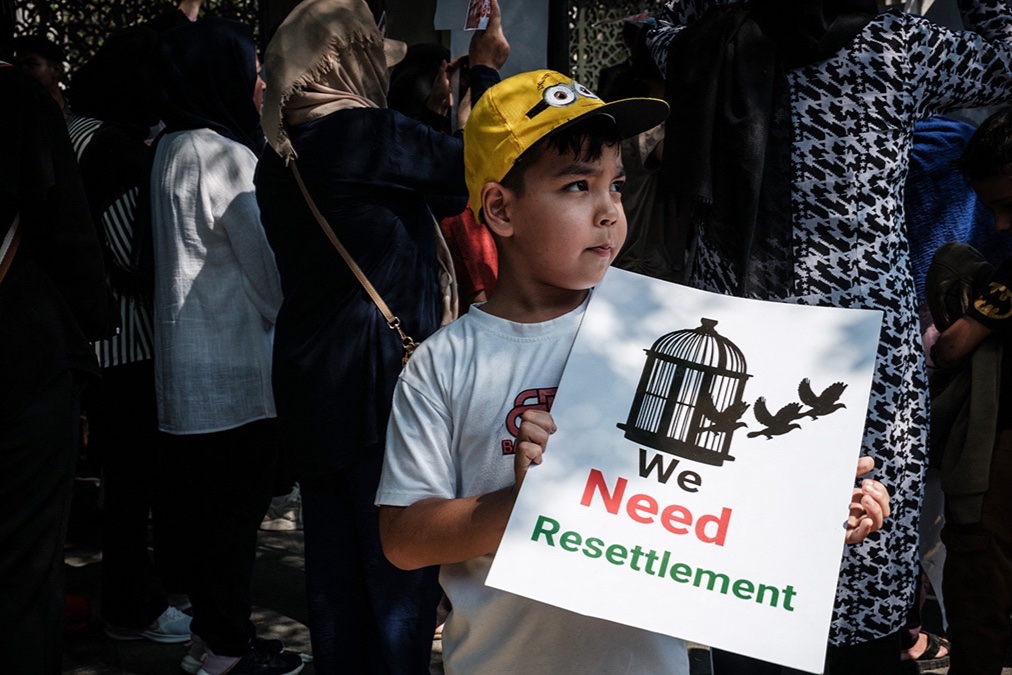
Afghan refugees and asylum seekers take part in a protest demanding resettlement assistance in Jakarta, Indonesia, July 21, 2025.

Yasuyoshi Chiba/AFP/Getty Images

The Trump administration’s indefinite refugee ban and historically low annual admissions ceiling come as the number of refugees worldwide remains high, Vasily Belousov writes in this article.


What’s Next

  • Today, British Deputy Prime Minister David Lammy visits Washington, DC.
  • Today, the European Union and Jordan hold a summit in Amman.

  • Tomorrow, a BRICS naval exercise begins in South Africa. 


What the DFC Reauthorization Means for Global Health 

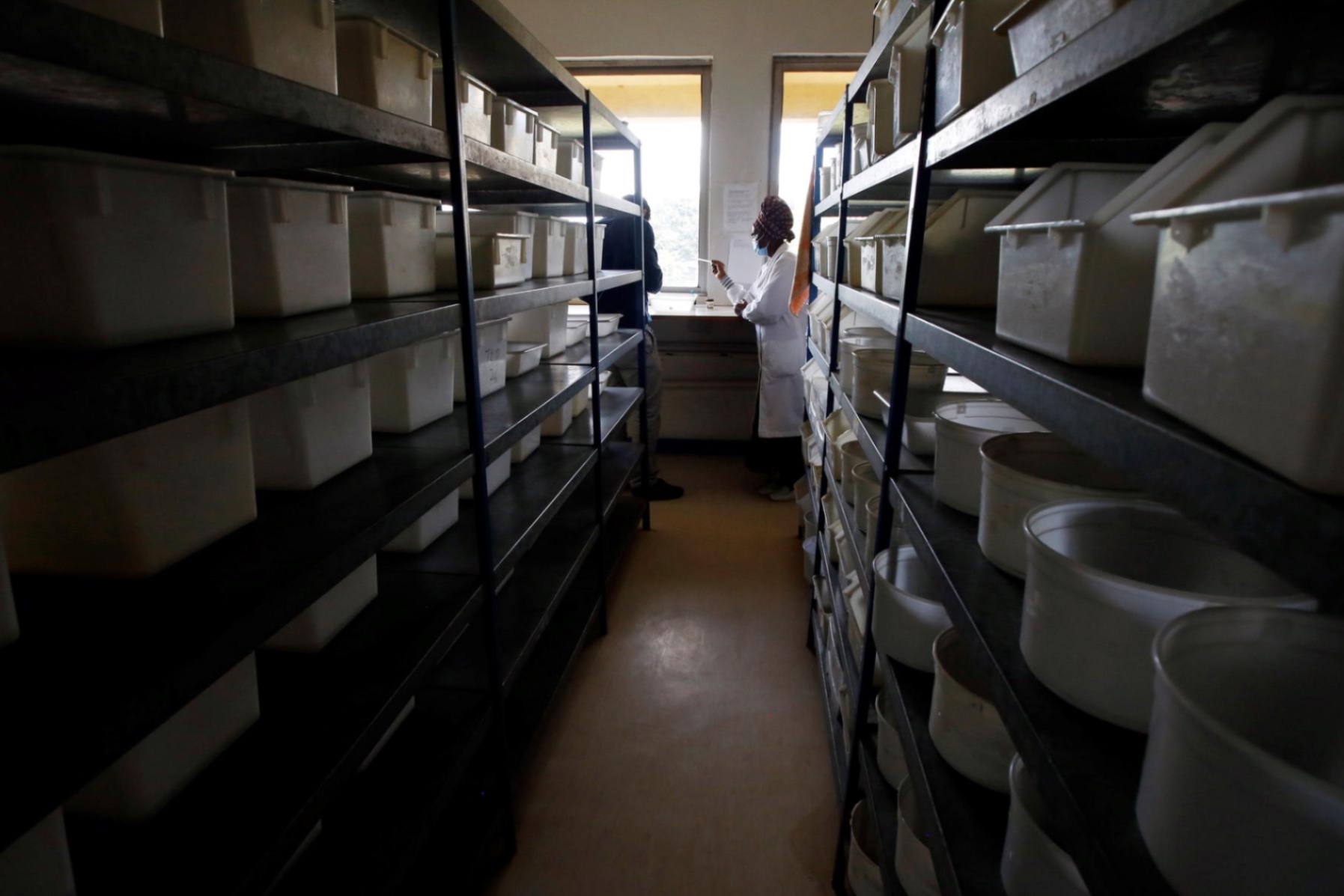
Researchers work inside a laboratory at the International Centre of Insect Physiology and Ecology (ICIPE) headquarters, in Nairobi, Kenya, on May 11, 2020

Jackson Njehia/Reuters

The expanded mandate and funding ceiling for the International Development Finance Corporation (DFC) could facilitate U.S. engagement on global health and health security, CFR experts and coauthors write for Think Global Health.   


Council on Foreign Relations

58 East 68th Street, New York, NY 10065

1777 F Street, NW, Washington, DC 20006

Was this forwarded to you? Subscribe to the Daily News Brief

FacebookTwitterInstagramLinkedInYouTube

Manage Your Email Preferences

View in Browser