

|
|
|
Famine is occurring right now in Gaza and Sudan. Since famine was declared, hundreds of thousands of families’ lives have been hanging in the balance since 2025. Today, we’ll take a closer look at famine — what it is, why it is so rarely declared, and what it means for regions where it continues to spread. If you’d like to dive deeper into the topic, check out our latest article.
For famine to be declared in a region, certain criteria need to be met. One in five households or more must lack adequate food, and acute malnutrition must be 30 percent or more. By the time famine is declared, people are already dying of hunger.
In many places where hunger and malnutrition are rampant, usually in hard-to-reach areas or violence-stricken communities, it is difficult to quantify the impact of the hunger. Since it can’t be measured, many communities often endure famine for far longer than they are ever declared.
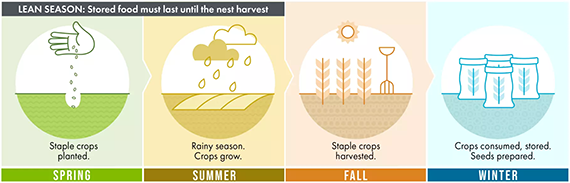
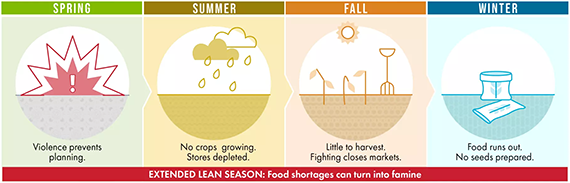
In Gaza, over half a million people are facing catastrophic food shortages, with over a million more people projected to be at risk of starvation and death. Despite the ceasefire announcement and ongoing aid restrictions, civilians in Gaza are in desperate need of humanitarian assistance to survive. Mercy Corps is on the ground providing water via trucking and distributing cash assistance to help families access essentials and household items. But more aid must reach Palestinian families to ensure their survival during these winter months. In Sudan, famine has left more than 375,000 people on the brink of starvation and 21 million people facing high levels of acute insecurity. Mercy Corps is giving vouchers to families to buy essentials and urgently needed items. We’re also helping farmers to grow crops to help address the lack of food shortage. But as violent conflict rages on, more support is needed to meet the growing needs of Sudanese families driven from their homes by conflict. Mercy Corps is working around the globe to help communities address hunger amid humanitarian crises. Too often, many communities experience famine far before it is officially declared. Thanks to the support and commitment from people like you, we’re able to respond to hunger crises in Gaza, Sudan, and around the globe. Together, we’re reaching more communities and helping families recover from famine. Learn more about famine and its impacts on people who face it. Thank you, The Mercy Corps team |
|
|||||||||||