Image

Daily News Brief

January 6, 2026

Welcome to CFR’s Daily News Brief. Today we’re covering Nicolás Maduro’s arraignment and continued reactions to his ouster, as well as...

  • Israeli strikes in Lebanon
  • A U.S. carveout from a global tax deal
  • Azerbaijan’s refusal to send troops to Gaza


Top of the Agenda

Venezuela’s Nicolás Maduro pleaded not guilty to drug trafficking and other charges in New York federal court yesterday, while some U.S. allies and adversaries at the United Nations questioned the legality of his extraction. Inside Venezuela, figures close to Maduro scrambled to regroup after his explosive capture over the weekend. Maduro allies were sworn in as acting president and head of the legislature, and pro-government paramilitary forces were deployed to the streets of Caracas yesterday.


Maduro and the law. The U.S. Justice Department indicted Maduro, his wife and son, and other Venezuelan politicians on conspiracy, drug trafficking and arms-related charges. At Maduro’s arraignment yesterday, he argued that he was still the president of Venezuela as well as a prisoner of war. Trump administration officials have said that Maduro’s capture was not an act of war but rather a law enforcement operation.


Across town at the UN Security Council, France’s deputy ambassador said Maduro’s seizure violated the principle of peaceful dispute resolution, adding that violations of international law erode “the very foundation of the international order.” U.S. allies such as Bahrain and Mexico said Maduro’s capture violated the UN charter, while the United Kingdom and Latvia were more measured, and Argentina defended the U.S. operation. China and Russia harshly criticized it. U.S. Ambassador to the UN Michael Waltz said Maduro was not Venezuela’s legitimate head of state following the disputed 2024 elections and that his capture was necessary to counter the flow of illegal drugs into the United States. 


The scene in Venezuela. Maduro’s former Vice President Delcy Rodríguez—who has been liaising with the Trump administration—was officially sworn in yesterday as acting president. Her brother, Jorge Rodríguez, was reappointed president of Venezuela’s legislature. Security forces detained at least fourteen journalists and media workers in Caracas before releasing thirteen, according to a Venezuelan press union. 


“[Maduro] was an autocrat who stole an election, repressed his people, ran his country’s economy into the ground despite possessing enormous oil reserves, and trafficked in narcotics. But that does not mean that this military operation was either warranted or wise. In fact, it was of questionable legality. The United States also had other options. Maduro hardly posed an imminent threat to the United States. Make no mistake: this was a military operation of choice, not of necessity.”

—CFR President Emeritus Richard N. Haass on Substack


The C-Suite’s Expectations for 2026

Traders work on the floor of the New York Stock Exchange on December 16, 2025.

Charly Triballeau/AFP/Getty Images

At CFR’s latest CEO Summit, business leaders expressed optimism about the year ahead, though they noted some concerns about U.S. economic security and technological support, Senior Fellow Rebecca Patterson writes in this article.


Across the Globe

Iran responds to protests. The government announced a plan yesterday to give most citizens monthly payments of about $7 in response to widespread demonstrations fueled by economic hardship. The protests have become the largest in the country since 2022, when the death of Mahsa Amini in police custody sparked months of civic upheaval.


Warnings on Greenland. Danish Prime Minister Mette Frederiksen yesterday rejected U.S. President Donald Trump’s threats to take control of Greenland, warning that a U.S. invasion of the island would mean the end of NATO. Today, the leaders of seven NATO countries issued a joint statement saying that “it is for Denmark and Greenland, and them only, to decide on matters concerning Denmark and Greenland.”


Chinese export controls on Japan. China is banning the export of certain technologies to Japan that could be used by Japan’s military, the Chinese commerce ministry announced today, though it did not specify which products would be included in the ban. Last year, Japan expanded similar export restrictions of its own. Bilateral relations have chilled since Japanese Prime Minister Takaichi Sanae’s suggestion in November that a Chinese invasion of Taiwan could prompt a Japanese military response. 


U.S. carveout from tax deal. Nearly 150 countries decided yesterday to exempt large U.S. multinational firms from an international 15 percent minimum corporate tax. The Trump administration pushed for a carveout from the deal brokered through the Organization for Economic Cooperation and Development. U.S. Treasury Secretary Scott Bessent called the exemption “a historic victory in preserving U.S. sovereignty.” 


China-Pakistan dialogue. The two countries affirmed their “all-weather” strategic partnership in a joint statement yesterday after a three-day visit to China by Pakistan’s foreign minister. They also announced plans to boost cooperation in industry, agriculture, and mining as part of China’s Belt and Road Initiative. The bilateral dialogue comes as the United States has drawn closer to Pakistan under Trump.


Azerbaijan vetoes troops for Gaza. Azerbaijan will not send troops to Gaza as part of an international peacekeeping force after questioning the United States about the nature of the operation, President Ilham Aliyev told local media yesterday. An international peacekeeping force is part of Trump’s plan to maintain a ceasefire in Gaza, but few details about it have been confirmed since the peace plan was endorsed by the UN Security Council in November.  


Israeli strikes in Lebanon. Israel’s military struck sites in southern and eastern Lebanon overnight that it said were used by Hezbollah and Hamas. Lebanese President Joseph Aoun said the attacks undermined Lebanon’s ongoing efforts to extend government control over Hezbollah-dominated areas. Israel issued a warning ahead of the attacks, and the target areas were evacuated.


Central African Republic election. President Faustin-Archange Touadéra has won a third term, according to preliminary results released yesterday from CAR’s December 28 election. In 2023, he oversaw changes to the constitution to end presidential term limits. The country’s main opposition boycotted the December vote, calling it unfair.


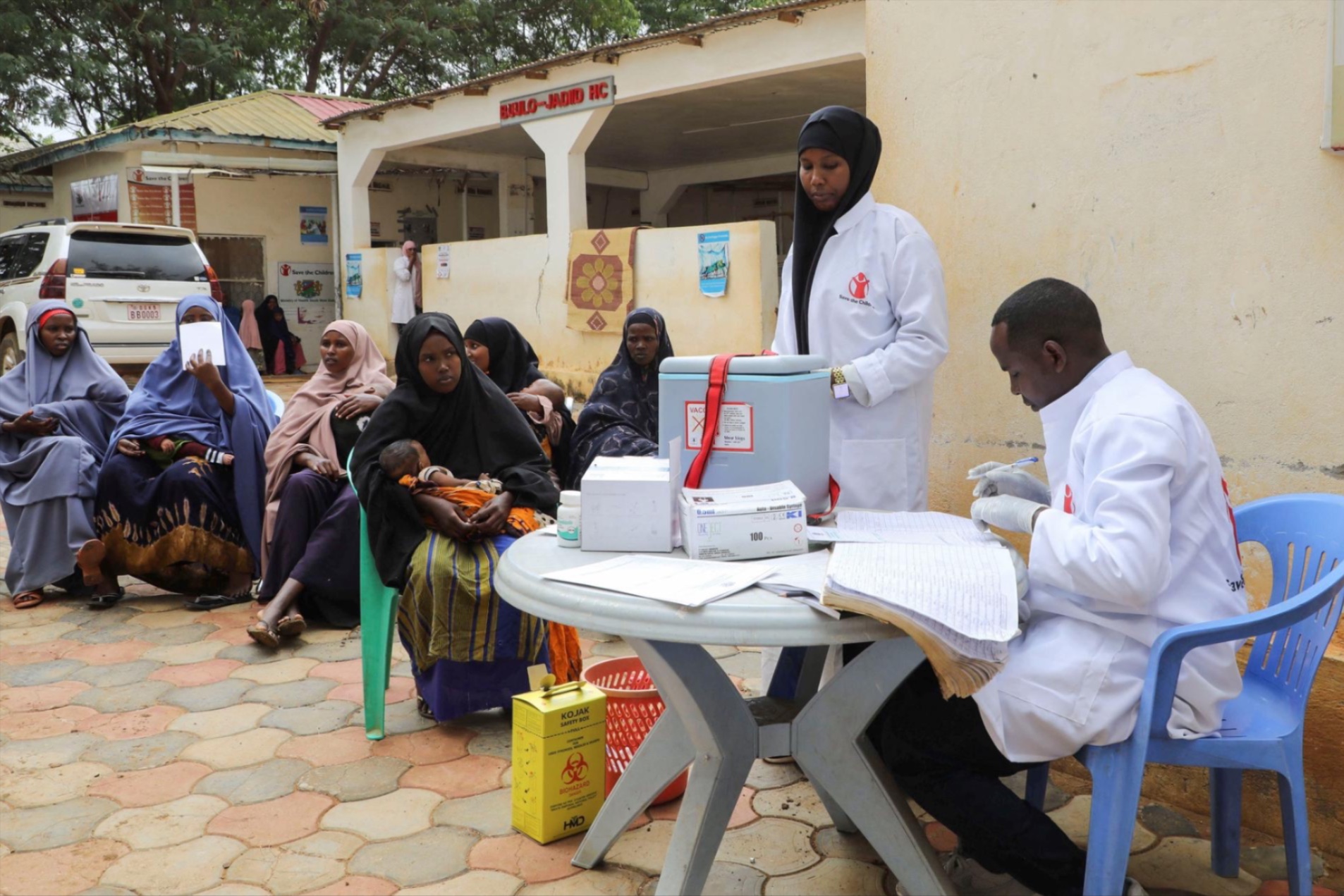
Repairing Health Security at the Humanitarian Frontline

A nurse from Save the Children prepares vaccinations for internally displaced Somali children, in Baidoa, Somalia, on June 25, 2025.

Feisal Omar/Reuters

Reorienting the global preparedness system to include humanitarian settings requires conceptual and operational shifts, Arush Lal, Erin M. Sorrell, and Maryada E. Vallet write for Think Global Health.


What’s Next

  • Today, the Organization of American States meets in Washington, DC to discuss the situation in Venezuela.
  • Today, Ukrainian President Volodymyr Zelenskyy and European leaders meet in Paris.
  • Tomorrow, Pope Leo begins hosting a two-day meeting of cardinals at the Vatican.


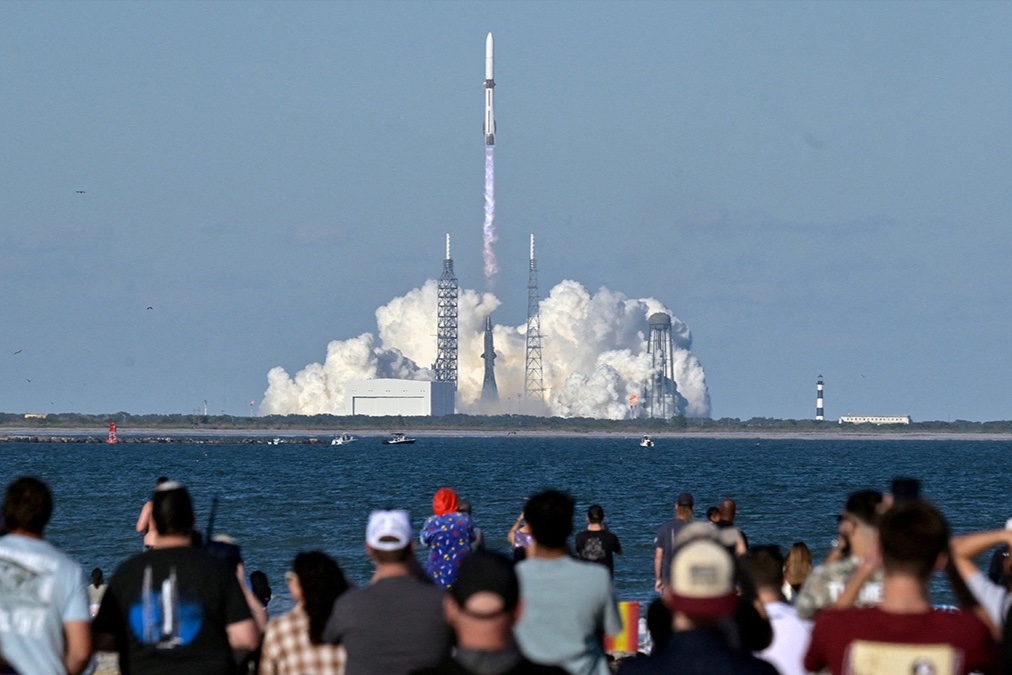
Trump’s New Plan for Space

A Blue Origin New Glenn rocket carrying two satellites for NASA’s EscaPADE mission to orbit Mars, launches at the Cape Canaveral Space Force Station in Florida, November 13, 2025.

Steve Nesius/Reuters

A new executive order sets an ambitious course for lunar exploration, missile defense, and commercial investment, but overlooks the need for practical rules agreed to by all spacefaring countries, CFR Senior Fellow Esther Brimmer writes in this Expert Brief.


Council on Foreign Relations

58 East 68th Street, New York, NY 10065

1777 F Street, NW, Washington, DC 20006

Was this forwarded to you? Subscribe to the Daily News Brief

FacebookTwitterInstagramLinkedInYouTube

Manage Your Email Preferences

View in Browser