British, French strikes on ISIS. The two countries bombed an Islamic State weapons facility in Syria, the British foreign ministry announced Saturday. The strikes follow dozens of U.S. attacks against ISIS targets in Syria in December, retaliation for the ISIS killing of U.S. service members. Syria’s year-old government has struggled to assert security control over the country.
North Korean missile test. North Korea test-fired multiple ballistic missiles yesterday, Japan’s defense ministry said. The defense minister added that one missile flew nearly six hundred miles—within striking distance of southern Japan. U.S. Indo-Pacific Command said that it was consulting with allies but that the tests did not pose an immediate threat to U.S. personnel, territory, or allies.
Fighting in southern Yemen. Saudi-backed forces retook the port city of Mukalla from Emirati-backed separatists known as the Southern Transitional Council (STC), the Associated Press reported yesterday. The STC had seized the city last month. The Saudi-backed National Shield Forces are aligned with the Saudi-led coalition fighting Yemen’s Iran-backed Houthi rebels.
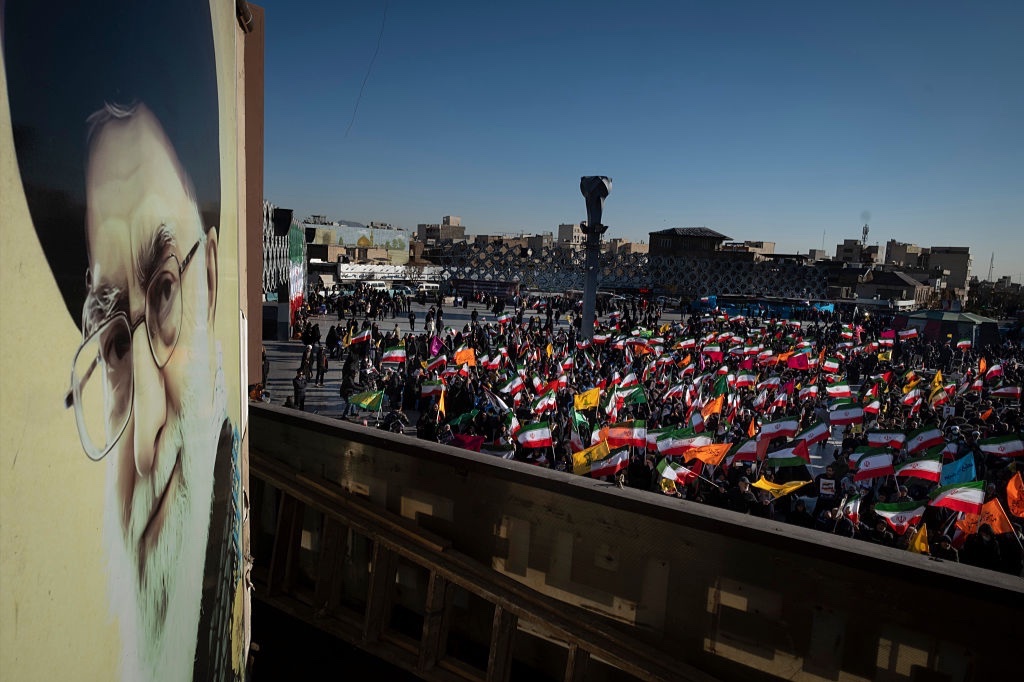
Iran’s protests spread. Antigovernment protests and labor strikes have spread to twenty-six provinces in Iran, U.S.-based group Human Rights Activists News Agency said yesterday. At least nineteen protesters have reportedly been killed as a result of the law enforcement crackdown. After Iran’s top leader said Saturday that “rioters must be put in their place,” Trump told reporters yesterday that if Iran starts “killing people like they have in the past, I think they’re going to get hit very hard by the United States.”
South Korea’s Lee in China. South Korea seeks to open a “new phase” of relations with China, President Lee Jae-myung said in Beijing today. South Korean and Chinese media reported that the countries signed fifteen agreements during Lee’s visit, his second meeting with China’s Xi Jinping in just two months. Bilateral relations had chilled under Lee’s predecessor, who had pursued stronger ties with the United States.
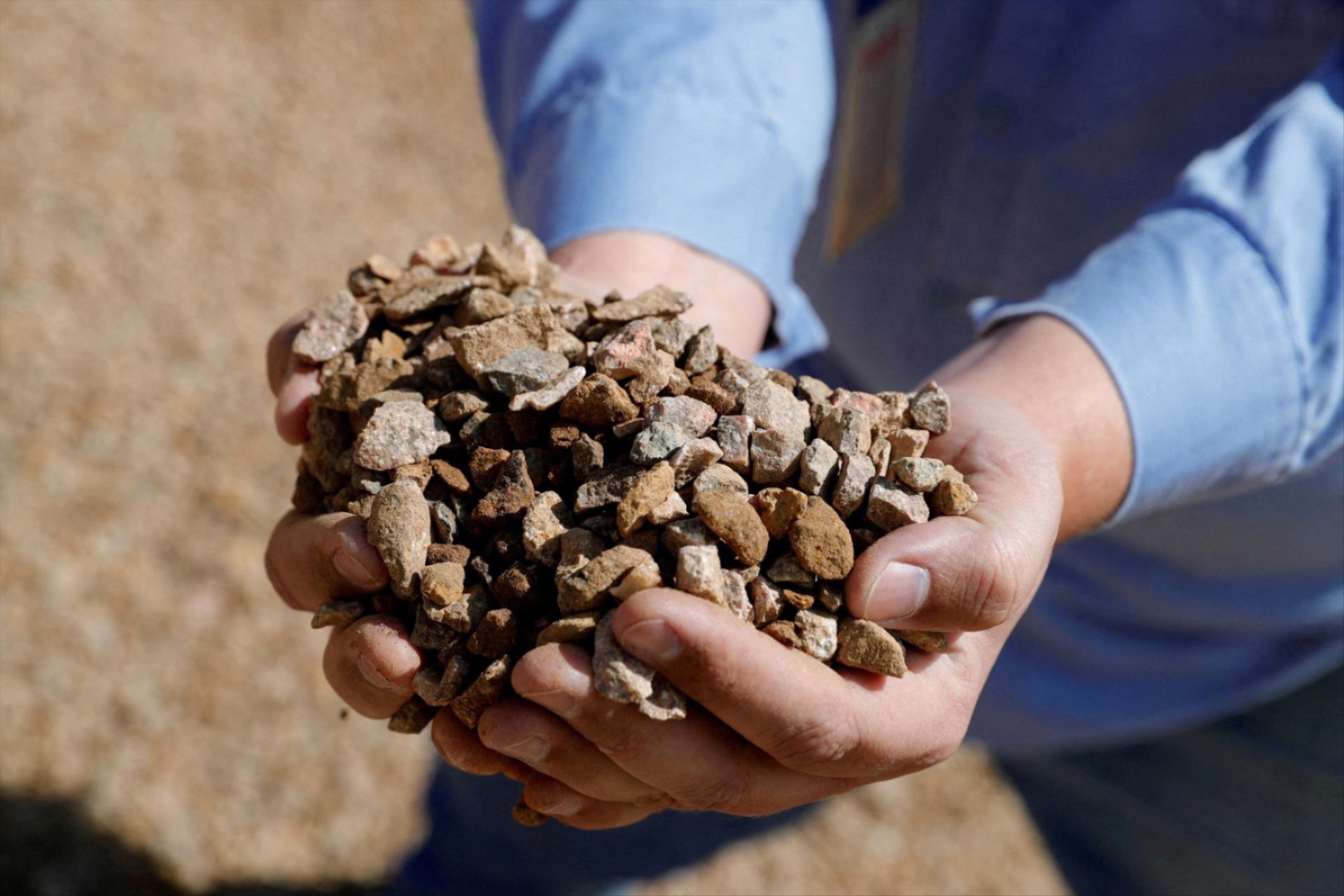
Botswana-Russia ties. Botswana plans to open an embassy in Moscow soon and invited Russian companies to collaborate on investments in rare earth minerals, Botswana’s foreign minister told Russian state news agency TASS. Diamond-rich Botswana is also currently in talks with the United States that seek to reduce U.S. tariffs.
Ukraine’s government shakeup. Since Friday, President Volodymyr Zelenskyy named a new head of his presidential office and new nominees for defense minister and energy minister. He also appointed former Canadian Deputy Prime Minister Chrystia Freeland as an advisor on economic development. The moves come amid ongoing peace talks; the new head of Zelenskyy’s presidential office, Kyrylo Budanov, is one of the few officials to have maintained communication channels with Moscow throughout the war.
Electricity attack in Berlin. A far-left group claimed responsibility for an electricity outage that left some forty-five thousand homes and more than two thousand businesses without power over the weekend. They claimed the incident was meant to target the fossil fuel industry, though Berlin’s mayor called it a “terrorist” attack. The local electrical utility said it could take until Thursday for power to be fully restored, as Berliners brace for a cold snap this week.