|
 |
How Maduro’s Arrest Could Save Lives in North Carolina
From cocaine pipelines to fentanyl deaths, how a foreign narco regime fuels NC’s overdose crisis.
|

| |||||||||||||||


 |
North Carolina is being poisoned.
Not slowly.
But relentlessly.
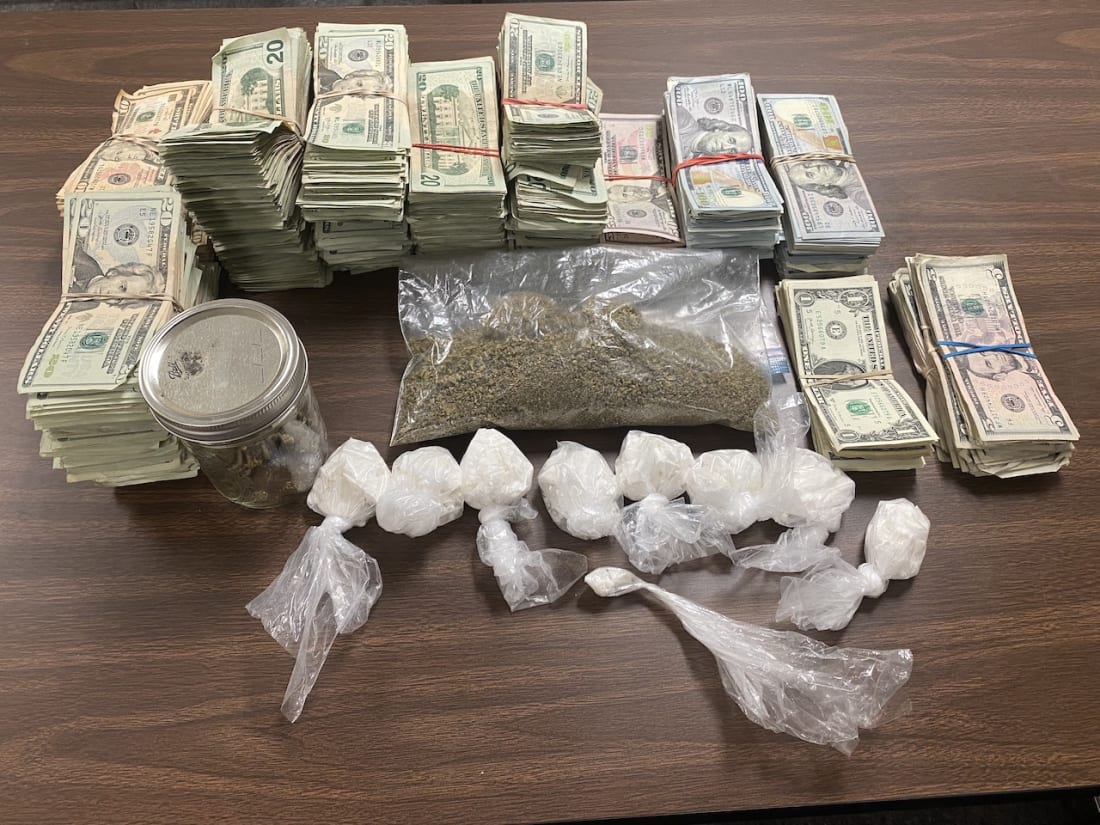
In 2023, roughly 3,520 North Carolinians died from drug overdoses — nearly ten deaths every day. The toll more than doubled since 2018. The surge accelerated during the Biden years, as drugs became cheaper, stronger, and easier to find.
Mecklenburg county reported a shocking 200% rise in overdose deaths in blacks and Hispanics since 2019.
“Almost every day we see the devastating burden of fentanyl in our community,” said Dr. Thomas Owens, Mecklenburg County medical examiner. “Many of the deaths are the result of people unknowingly taking fentanyl that has been mixed with other street drugs or pills.”
Even with a dip since President Trump closed the border — about 3,025 suspected overdose deaths the crisis remains far worse than before COVID. December 2024 alone saw 220 suspected overdose deaths statewide. That’s more than seven lives lost every day.
Fentanyl is the killer. It appears in the vast majority of overdose deaths. But there’s another danger hiding in plain sight. Cocaine.
More North Carolinians are dying after taking cocaine they never expected to contain fentanyl. They didn’t plan to use opioids. They didn’t know what was mixed in. They never had a chance.
That’s where Venezuela enters the story.
No, Fentanyl Doesn’t Come From Venezuela
Let’s be clear: fentanyl does not come from Venezuela.
It is produced primarily in Mexico, using chemical precursors largely sourced from China, and trafficked into the United States by Mexican cartels. Venezuela is not a fentanyl source country.
But that doesn’t mean fentanyl is separate from cocaine.
Today’s drug market is a mixing bowl, and cocaine often isn’t just cocaine anymore. It is frequently contaminated or laced with fentanyl, sometimes deliberately and sometimes through careless handling by dealers who traffic multiple drugs at once.
That contamination is no longer rare. In several Northeast states, more than 10 percent of cocaine-related deaths involved fentanyl between 2017 and 2023, and deaths tied to those combinations increased alongside it.
This matters because cocaine users typically don’t expect opioids. Many have little or no opioid tolerance, meaning even trace amounts of fentanyl can shut down breathing before help arrives.
Once cocaine enters a U.S. drug market already saturated with fentanyl — including here in North Carolina — every shipment carries lethal risk.
That’s why the source of cocaine matters.
And that supply chain runs straight through Venezuela.
From Caracas to Charlotte: The Drug Pipeline
Nicolás Maduro’s government wasn’t just corrupt. U.S. authorities long alleged his regime helped facilitate drug trafficking on a massive scale.
The U.S. State Department describes Maduro as an authoritarian leader who undermined democracy, restricted human rights, and presided over a regime deeply tied to corruption and illicit networks.
The U.S. Treasury went further. In 2023 it sanctioned individuals linked to the so-called Cartel de los Soles, a narcotics ring allegedly senior Venezuelan military and government officials that helped move drugs toward the United States and beyond.
That wasn’t idle talk.
The U.S. government offered a $50 million reward for information leading to Maduro’s arrest and conviction on international narcotics charges, a rare signal of how seriously Washington viewed the threat.
One U.S. indictment accused Maduro’s inner circle of conspiring to flood the United States with cocaine, alleging decades of protection for traffickers using Venezuelan territory, ports, and airspace.
Traffickers don’t care about borders.
Drugs that originate or transit through Venezuela wind up in American communities thousands of miles away.
And North Carolina bears part of that burden.
County Hotspots: No Community Is Immune
Overdose death rates vary sharply across regions:
Rural counties like Cherokee and Robeson have some of the highest overdose mortality rates in the state, with rates well above the statewide average.
Even in urban centers like Greensboro, records from 2023 show hundreds of overdose-related emergency visits in a year.
From the mountains to the coast, addiction is striking everywhere.
When Henchmen Aren’t Just Names
The crackdown didn’t stop with Maduro.
In mid-2025, 15 current and former Venezuelan officials were arrested and charged by the U.S. with narco-terrorism, corruption, and drug trafficking.
That included military commanders and intelligence figures tied to narcotics networks.
Maduro’s state actors turned criminal operators.
These weren’t street dealers. They were enablers, protectors, and facilitators of a pipeline that helped push drugs toward U.S. markets.
 |
Bipartisan Alarm in Washington
This was never a fringe issue.
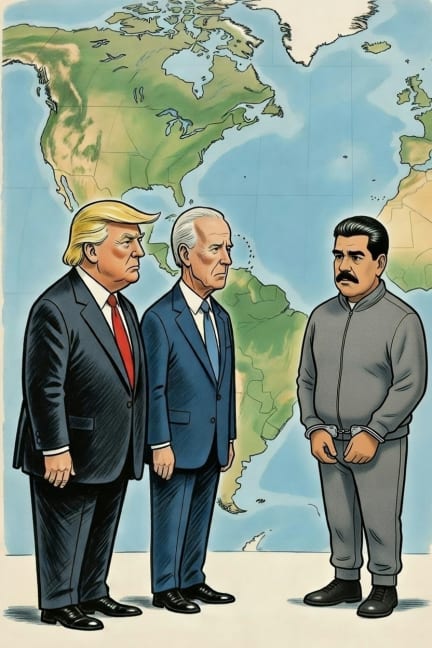
The Trump administration labeled Maduro and his cohorts a threat to U.S. national security and declared them part of narco-terrorist networks.
The Biden administration kept sanctions in place and refused to legitimize Maduro’s rule, citing corruption and drug-trafficking ties.
Both parties saw the same thing: an illegitimate regime alleged to be tied to narcotics trafficking into U.S. markets.
Why This Matters Here
Overdose deaths in North Carolina more than doubled between 2018 and 2023. Adults aged 25 to 44 are hit hardest. Cocaine involvement keeps rising. Fentanyl is present in most deaths. Rural counties and urban neighborhoods alike are affected.
Every shipment that reaches U.S. streets raises the odds another dose is contaminated. Every contaminated dose raises the odds another family gets the knock.
Arresting Nicolás Maduro won’t end addiction.
But it can disrupt supply.
That’s how drug markets work. When major corridors are disrupted, routes fracture, costs rise, and availability drops. Even small reductions save lives when drugs are this lethal.
The Bottom Line
Fentanyl doesn’t come from Venezuela.
But cocaine trafficked through Venezuela feeds a U.S. drug market where fentanyl is everywhere — and that combination is killing North Carolinians.
Disrupting those routes won’t solve everything.
But it can save lives.
And in a state losing thousands every year, every life saved matters.
You're currently a free subscriber to NC Political Tea. For the full experience, upgrade your subscription.
| ||||||||||

