|
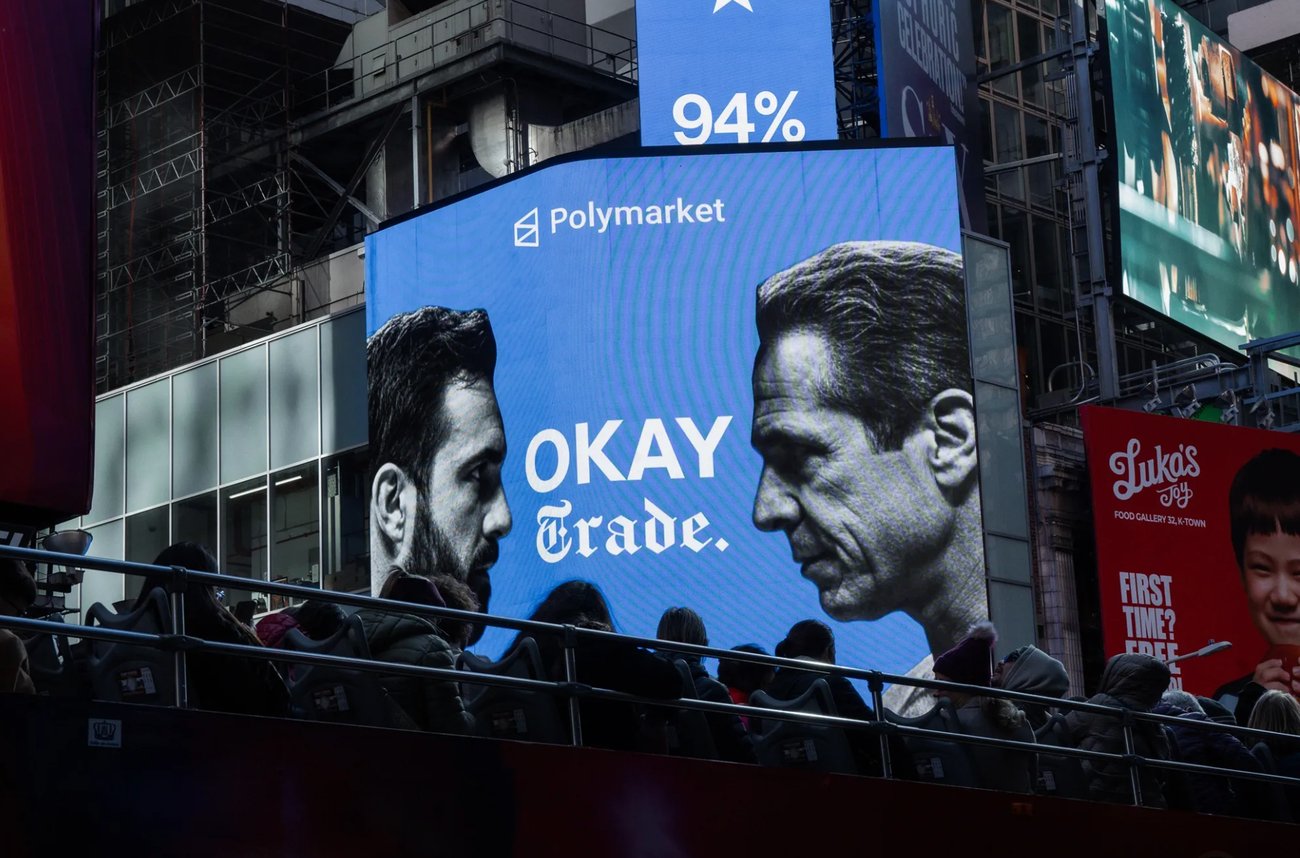
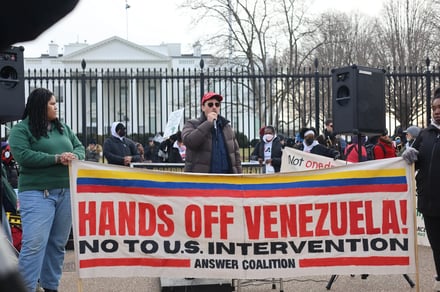
Hours before the United States military arrested and abducted Venezuelan President Nicolás Maduro and his wife, bombing sites across Caracas in the process, an anonymous user on the prediction market Polymarket was betting thousands of dollars that an invasion was imminent.
Whoever that user is, they are likely celebrating now. Prediction markets like Polymarket and Kalshi allow users to place bets on highly specific scenarios of various kinds. Users can bet real money on the fate of various Stranger Things characters in Season 5, or put their funds behind Arsenal in a live match.
But prediction markets are also able to take bets on discrete questions about domestic and international policy, which can be easily manipulated by users with insider knowledge. The whale user, who made $400,000 when the Venezuela war markets resolved early Saturday morning, may be one of those insiders, X user Tyson Brody suggested. The evidence is compelling: Bettor “Burdensome-Mix” created their account just a week ago, and bought shares in some of Polymarket’s largest Venezuela-related markets, like “Maduro out by…?” and “US forces in Venezuela by…?”
We know that news organizations had foreknowledge of the military action in Venezuela but withheld it from the public, in their telling to avoid endangering U.S. troops. That the information also leaked out to Polymarket users seems obvious given the results.
Insider trading has been a concern since prediction markets were first introduced. As recently as December, one Polymarket user made $1 million in just 24 hours by betting on end-of-year Google search results, raising concerns that they are a Google employee with advance knowledge.
Given President Trump’s family’s personal interest in prediction markets, it’s unlikely regulation will come from the Oval Office. Donald Trump Jr. is an adviser to both Kalshi and Polymarket, and has invested millions into Polymarket through his firm, 1789 Capital.
Prediction markets are technically already regulated by the Commodity Futures Trading Commission (CFTC), but there isn’t well-established judicial precedent for putting insider trading within that authority. The Biden administration’s CFTC tried to prevent platforms like Kalshi from offering markets on political questions, arguing that they were akin to gambling and against the public interest. Kalshi sued the CFTC and won, which opened the floodgates for politically oriented prediction markets.
|