|
 |
The Most Dangerous Systems Never Arrive as Tyranny. They Arrive with a Selfie.
Why Facial Recognition, Digital Gates, and AI “Safety” Should Make Christians Pay Attention
|

| |||||||||||||||


 |
This is not a tech critique. It is a warning from someone who has watched “temporary solutions” become permanent controls.
I’m old enough to remember when smoking sections in restaurants were common.
It felt like common-sense courtesy, not control. Most smokers shrugged and said, “Sure, why not?”
Then I lived long enough to watch courtesy evolve into coercion.
Smoking didn’t just get regulated—it got demonized.
From designated areas to outdoor bans to sky-high taxes and public shaming, the justification was always the same: “health,” “safety,” “protecting others.” Noble, right?
Few paused to ask what happens when society becomes comfortable conditioning access on compliance.
I’ve seen this movie before. And the sequel is always worse.
What ultimately enforced these changes was not law alone. It was public shaming.
Smokers were not just restricted; they were labeled. The goal shifted from discouraging a behavior to marking a person. Once shame enters the system, compliance accelerates.
People do not change because they are convinced. They change because they do not want to be seen as irresponsible, dangerous, or unclean.
Every generation is sold a new form of “shaming,” wrapped in compassion and limited scope. “It’s just for this one thing.” “It’ll never expand.” “Safeguards are ironclad.”
We saw it with airport security: Take off your shoes for safety, and suddenly you’re in socks while TSA inspects your laptop like a threat.
We saw it with digital tracking: “Just share your location for better maps,” and now every app knows where you prayed last Sunday.
We saw it during COVID: “Wear a mask or be publicly isolated.”
Temporary becomes entrenched. Voluntary becomes mandatory. Questioning becomes “irresponsible.”
Not because anyone started with a mustache-twirling plot—but because power, once built, hates sitting idle. It finds new problems to solve.
Why AI Age Verification Isn’t Really About the Kids
Today’s magic justification? “Think of the children!”
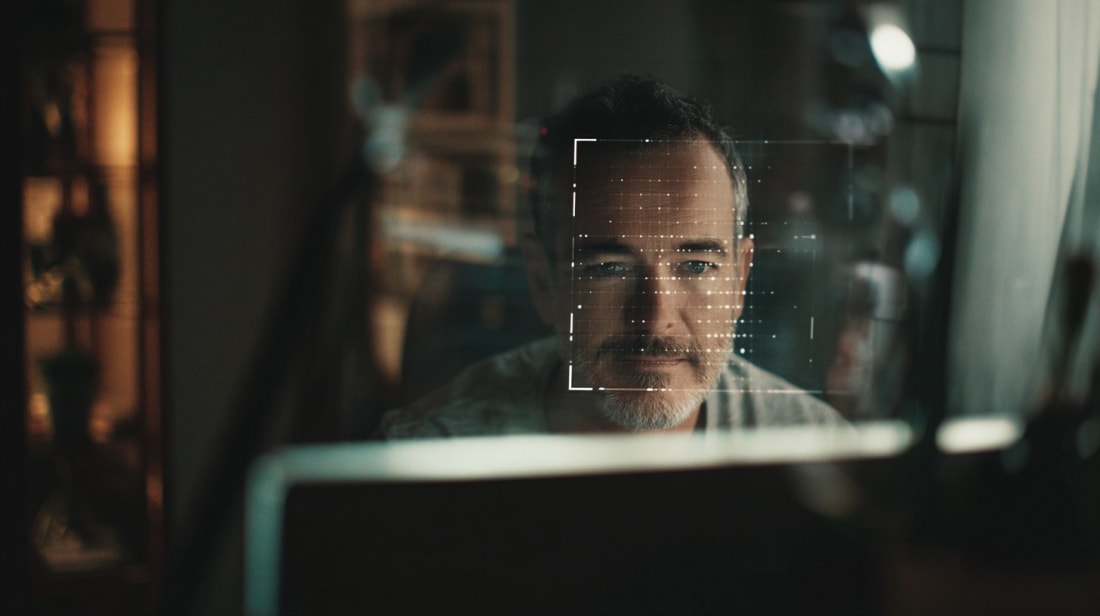
Governments and tech giants are rolling out age verification for social media and apps, often powered by AI that scans your face to guess if you’re old enough.
We’re promised: “Images aren’t stored.” “Privacy is sacred.” “It’s just to keep kids safe.”
Sure. And I’ve got a bridge in Brooklyn to sell you—cash only, no ID required.
The real danger isn’t the stated goal. It’s the precedent.
These systems quietly teach us that basic participation in modern life—scrolling feeds, watching videos, joining conversations—requires proving who you are.
Access isn’t a right; it’s a privilege granted after verification.
And once that lesson sinks in, the question flips: Not what gets verified today, but who decides what gets verified tomorrow?
Look around—it’s already happening.
In 2025, YouTube began using AI to estimate users’ ages based on watch history and behavior, automatically slapping restrictions on anyone it believed was under 18.
Wrong guess? Upload your ID or selfie to appeal.
States like Georgia, Nebraska, and California now mandate age checks (often facial) and parental consent for under-16s or 18s. Australia banned under-16s outright starting December 2025.
Twenty-five U.S. states have some form of age-gating law.
Platforms are complying with facial scans, behavioral profiling, even credit card pings.
It starts as “protect the kids.” Next thing you know, it’s “prove you’re vaccinated,” “prove your carbon footprint,” or “prove your views align.”
Slippery? That slope’s already iced over.
Facial recognition doesn’t retire when the crisis du jour ends. It needs vendors, databases, standards, audits—and those don’t stay dormant.
What begins as age checks morphs into full identity verification.
Protection becomes permission. And suddenly, everyday life runs through a gatekeeper algorithm.
This isn’t a revolution with pitchforks. It’s normalization by notification: “Please scan your face to continue.”
The Bible Saw This Coming
Revelation doesn’t paint the ultimate control system as a cartoon villain storming in with thunder and lightning. It describes something slick, integrated, efficient—so seamless that resistance feels futile.
“Who is like the beast? Who can wage war against it?” (Revelation 13:4)
That’s not terror. That’s tired surrender. A society that stops asking “Is this just?” and starts asking “How could anyone fight this?”
Those of us with gray hair remember when compliance was optional, disagreement was debated (not deplatformed), and access didn’t require approval from an algorithm.
Younger folks grow up assuming surveillance is ambient—like air. They didn’t watch the scaffolding rise; they were born inside the building.
That’s why speaking up now matters.
This Isn’t Panic—It’s Pattern Recognition
I’m not saying today’s facial scan is the mark of the beast. That’d be reckless prophecy-chasing.
But Scripture calls us to watch patterns, not just headlines. To discern how control slips in disguised as care.
The most dangerous systems don’t announce themselves with fanfare and tyranny.
They arrive as solutions. With a friendly ping: “Just one quick selfie to keep you safe.”
The real question isn’t whether AI age verification helps kids today.
It’s whether it’s training us for a tomorrow where living freely requires constant proof you’re allowed to participate.
Because once we stop resisting and start resigning--Who could fight it anyway?”--something profound has already been lost.
And that’s when watchmen need to sound the alarm loudest.
Martin Mawyer is the President of Christian Action Network, host of the “Shout Out Patriots” podcast, and author of When Evil Stops Hiding. Follow him on Substack for more action alerts, cultural commentary, and real-world campaigns defending faith, family, and freedom.
You're currently a free subscriber to Patriot Majority Report. For the full experience, upgrade your subscription.
| ||||||||||

