|
One day — Monday, Feb. 27, 2023, to be exact — Steve Zelenski was in a boat checking stone crab traps on the Indian River Lagoon just west of the House of Refuge near Stuart.
Four days later, the 68-year-old Palm City resident was fighting for his life at the University of Florida Health Shands Hospital in Gainesville.
Officially, Zelenski — who survived but lost four fingertips on his left hand — was diagnosed with necrotizing fasciitis, a medical catch-all term for what’s more commonly called “flesh-eating disease.”
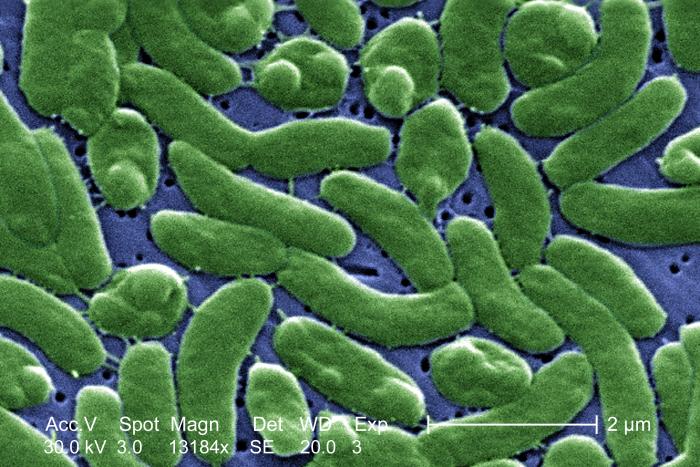
Unofficially, and more specifically, Zelenski is convinced he was infected with Vibrio vulnificus, a potentially deadly type of flesh-eating bacterium found naturally in warm, brackish water. And with waters getting warmer from climate change — the infections are becoming more common.
Over the last 10 years, Florida averaged about 48 cases and 11 deaths per year, according to FDOH data. In 2024, Florida had a record 82 cases and 19 deaths, a surge health officials linked to flooding caused by back-to-back hurricanes Helene and Milton.
The numbers dropped in 2025, but Vibrio will remain a problem because the bacteria are a natural part of the coastal ecosystem, there’s no way to get rid of them. Said one expert: “It’s more about mitigating infections by increasing awareness and improving education about the risk.”
Click the box below to read the full story.
|