|
 |
The Moscow-Mar-A-Lago Hotline
Recognizing a pattern: Putin calls, America blinks, and Zelenskyy leaves empty-handed.
|
| |||||||||||||||


 |
A note from Garry Kasparov: We’re running another raffle and sale on premium subscriptions—Now through this Wednesday, 12/31, premium subscribers are automatically entered to win one of five autographed chess sets. Click through to save 30% on a premium subscription. Just three days left on this special offer!
In geopolitics, timing is not a detail. It is the move.
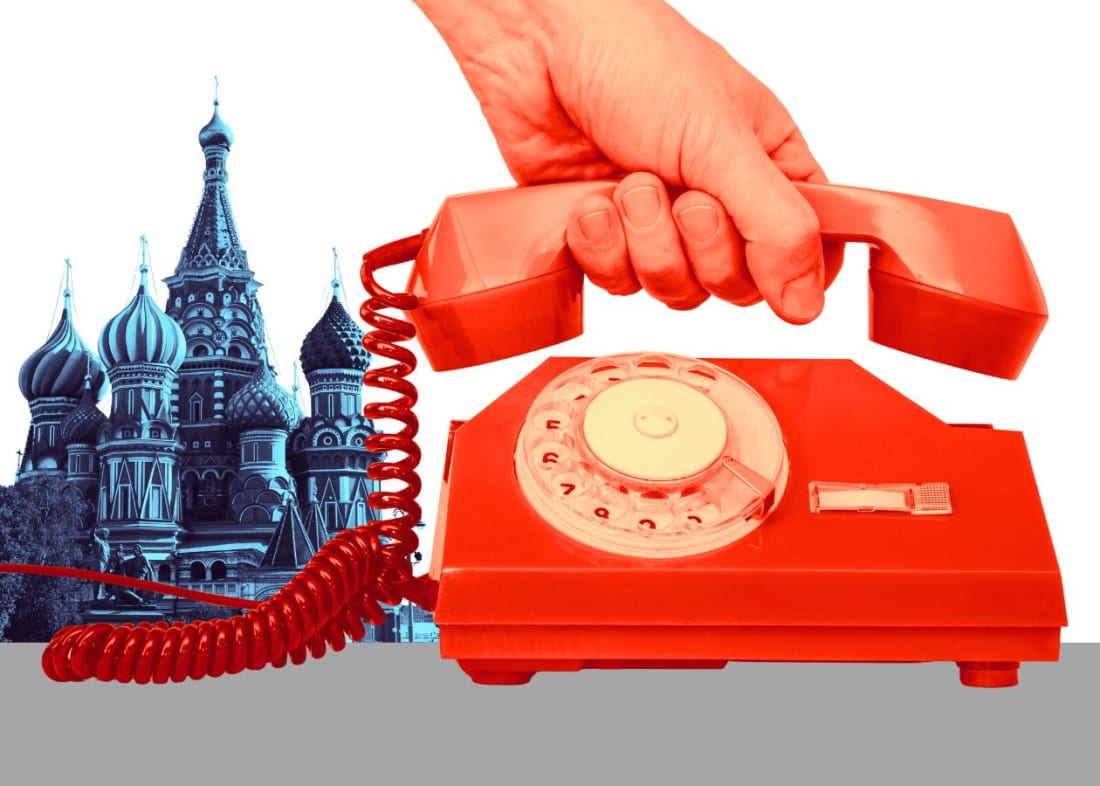
When Vladimir Putin calls Donald Trump before Trump meets with Ukrainian President Volodymyr Zelenskyy, it is not coincidence or courtesy. It is a deliberate effort to frame the conversation before Ukraine ever has a chance to make its case.
This happened back in October, when Putin and Trump chatted the day before Zelenskyy visited DC. Then, it happened again today, with another Trump-Putin call just before Zelenskyy arrived at Mar-A-Lago.
Two times in two months is enough for this phenomenon to deserve serious attention—and even describe what’s happening as a pattern.
It goes like this: Trump prepares to meet with Zelenskyy. Ukraine intends to argue for security guarantees, deterrence, and continued Western resolve. And just ahead of that meeting, Putin calls. Not after, when Ukrainian arguments might still be fresh, but before—when expectations can be set, doubts seeded, and the scope of “realistic” outcomes quietly narrowed.
The objective is not persuasion in the dramatic sense. It is conditioning.
By speaking with Trump in advance, Putin positions Russia’s interests as the backdrop against which Ukraine’s requests will be evaluated. Zelenskyy is then forced to argue uphill. The Ukrainian president must wage through pre-loaded nonsense (to use a family-friendly term) like Trump’s repeated insistence that “Russia wants peace” while Moscow continues its terror bombing of Ukrainian civilians. Just this week, Russia lobbed more missiles at Kyiv, killing innocent people and destroying civilian infrastructure.
Meanwhile, the Russian tyrant can frame Ukrainian demands as excessive before they are even presented. Providing Ukraine the aid it needs to repulse the Russian invaders becomes “escalatory.” Security guarantees with real teeth and clear red lines become “obstacles to peace.” Deterrence becomes “provocation.” None of this requires Russia to concede anything; it merely shifts the burden of justification onto Ukraine.
More from The Next Move:
 |
|
The timing of these calls is especially significant given the ambiguity and weakness of the proposed Western security framework for Ukraine.
Ukraine—the country that actually wants peace—has been willing to play ball with a hostile United States, despite all of the obstacles. That is why Zelenskyy produced a 20-point plan based on his negotiations with the White House.
But Trump may have thrown out his own team’s homework, eschewing any of the specifics his American colleagues may have worked out with their Ukrainian counterparts.
For Putin, ambiguity is leverage. And ambiguity is exactly what Putin received in Florida. No timeline. No specifics.
Putin has always exploited impressionable American officials (take a look at the recently unveiled transcripts of George W. Bush’s deferential calls with Putin, or the extreme naivete displayed by Barack Obama in his “reset” with Russia).
After Georgia in 2008, Russia tested how far it could go without lasting consequences. After Crimea in 2014, it tested how much ambiguity the West would tolerate. After the full-scale invasion of Ukraine, it tested how long outrage would last before fatigue set in. Each time, Moscow learned. Each time, it adjusted.
Trump makes each of his often-misguided predecessors look like Winston Churchill. Hell, he makes Churchill’s own infamous predecessor Neville Chamberlain look like a hard-nosed negotiator. At least Chamberlain was operating in terms of the public interest (albeit a fatal misinterpretation of that interest), not just flattery and personal attention.
In chess, the most decisive move is often not the attack, but the quiet preparation that constrains your opponent’s options before they even begin. Putin’s calls function in exactly this way. They narrow the field of what feels “reasonable” before Ukraine ever speaks.
This is why the weakness of the proposed security deal cannot be separated from the diplomacy surrounding it. A framework that lacks clarity invites manipulation. A process that tolerates ambiguity encourages pressure. And negotiations that allow an aggressor to shape the sequence reward precisely the behavior they should deter.
Putin keeps calling before Zelenskyy arrives because he understands that setting the board often matters more than playing the next move. If democratic leaders fail to recognize that logic, they risk drifting into outcomes shaped less by principle than by preparation.
In geopolitics, as in chess, losing control of the opening is often how the game is forfeit.
Special offer ending soon!
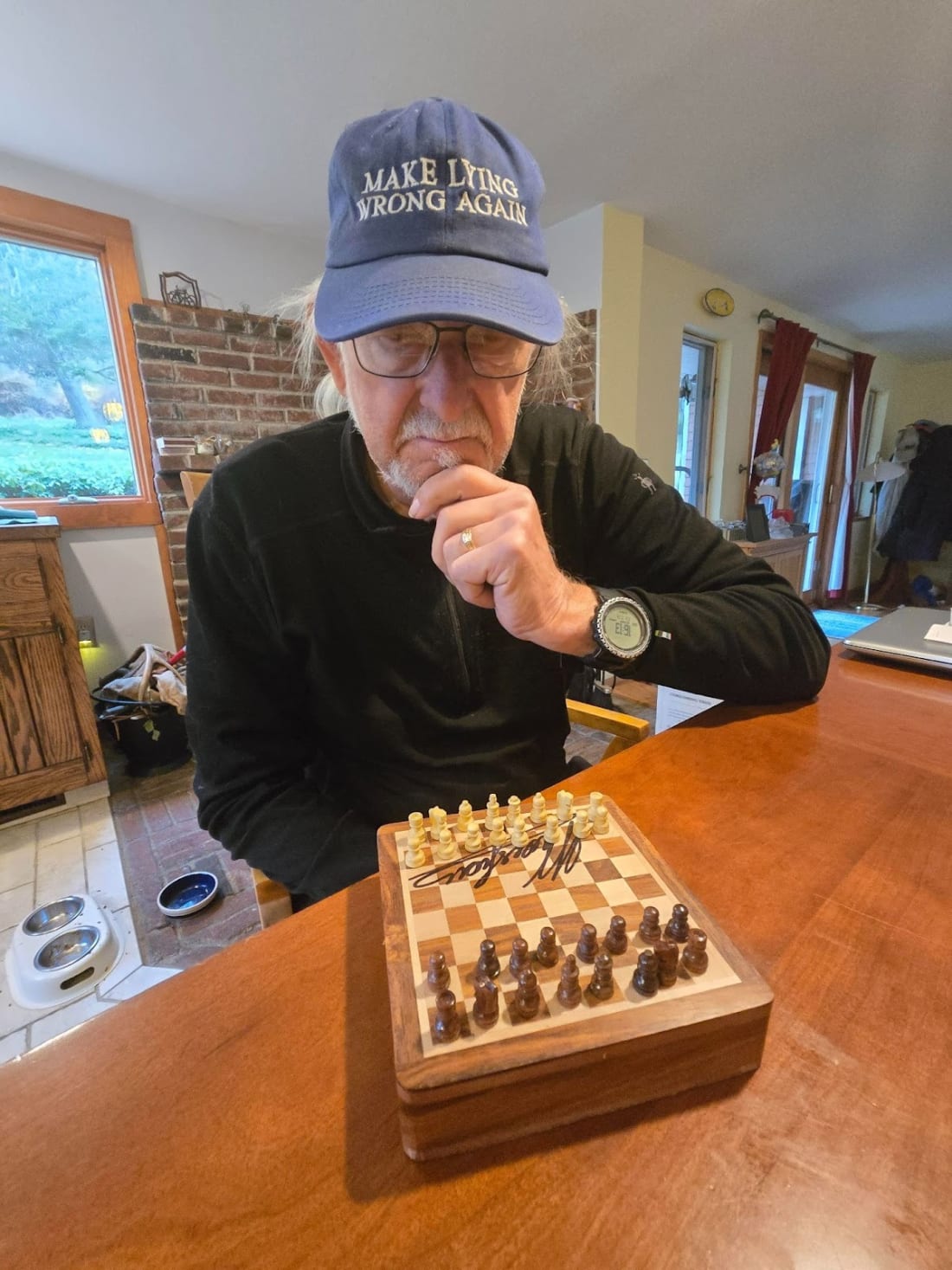
On the fence about becoming a paid subscriber? We have a special offer to make the decision easier for you: $49 for an annual subscription—a 30% discount—now through December 31. Anyone signed up as a premium subscriber, including existing supporters, will be automatically entered to win one of five chess sets signed by Garry Kasparov. Paid subscribers get exclusive benefits like interactive Zoom calls with Garry Kasparov.1
 |
More from The Next Move:
Budapest Gambit: Europe’s Trump Card on Russia and Ukraine | ||||||
| ||||||
 | ||||||
After Putin’s phone call and Zelenskyy’s visit, Ukraine’s European allies need to break Donald Trump’s Russia fixation. | ||||||
|

1. Please see full rules and regulations for The Next Move December 2025 raffle.
| ||||||||||

