|
 |


By Robert Whitaker, Special to The MAHA Report
(originally published on Dec. 10 in Mad in America under the title, “The APA Opposes Written Informed Consent for Veterans.” Republished with permission from the author)
The American Psychiatric Association (APA), VA and other prominent medical associations are lining up in opposition to proposed legislation that would require prescribers of psychiatric medication to obtain signed consent from veterans acknowledging the side effects and risks of psychiatric drugs.
The proposed legislation, dubbed the Written Informed Consent Act, was introduced into the House by Gus Bilirakis of Florida in August, with a companion bill introduced into the Senate by Tim Sheehy of Montana on Dec. 3. Both of the sponsors are Republicans; one House Democrat has joined them.
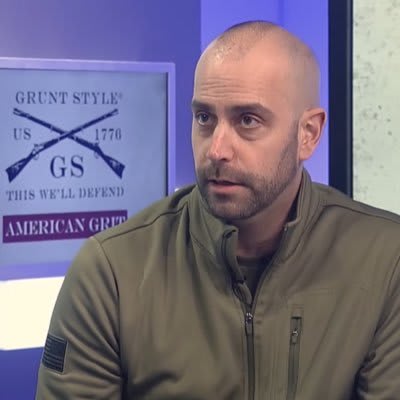 |
Derek Blumke, who was Mad in America’s editor of our Veterans section for several years, has been working for years to get this legislation introduced. Although existing VA directives (and federal law) require that prescribers provide patients with informed consent about the risks and benefits of any proposed treatment, veterans regularly relate how they were not informed of the risks of psychiatric drugs, including the risk that antidepressants may induce suicidal impulses.
In 2024 and 2025, the VA’s Office of Inspector General in 2024 and 2025 provided confirmation of this failure, telling of how it found a lack of evidence that prescribers had properly discussed the risk and benefits of psychiatric medications for patients at VA hospitals in Georgia, Pennsylvania, Virginia and Massachusetts.
An Air Force veteran who did three tours of duty, including two in Afghanistan, Blumke has written on Mad in America about how his life and career were derailed after he was prescribed an antidepressant and subsequently suffered horrific withdrawal symptoms, and how he personally was never informed about the risks of psychiatric drugs.
 |
In his long campaign for reform, Blumke has documented the extraordinary rise in prescribing of psychiatric drugs to veterans; organized conferences on the overprescribing of psychiatric drugs to the nation’s veterans and the harm that has come from such practices; lobbied veterans organizations to back “informed consent” legislation; and pushed state and national elected officials to take up this cause. He dubbed this effort, which has been supported by the Grunt Style Foundation, War Cry for Change.
 |
In collaboration with Blumke and the Grunt Style Foundation’s War Cry for Change initiative, Mad in America has published many personal accounts of harm in our veterans section. Blumke also co-authored a MIA report on how the suicide rate among veterans has risen dramatically since the VA initiated a suicide prevention program, which featured regular screening of veterans. The MIA report was titled “Screening + Drug Treatment = Increase In Veteran Suicides.”
 |
This is particularly true for younger veterans treated at VA facilities. There were 3,879 suicides by veterans ages 18-34 from 2006 through 2022. If suicide rates had remained stable at the rate they were in 2006, which was the year that the VA launched its suicide-prevention efforts, there would have been 1,500 fewer suicides among veterans ages 18-34 during that 17-year period.
At the conferences that Blumke has organized, a number of parents have told how their sons or daughters, after having served in the military, were diagnosed with PTSD or some other psychiatric disorder, and committed suicide after being prescribed an antidepressant or put on a cocktail of psychiatric drugs. Many related how their son or daughter was told that an antidepressant fixed a chemical imbalance in the brain and they were never warned about the risk of suicide or long-term harms.
Blumke has garnered support for the proposed legislation from nearly every veterans organization, including the American Legion, VFW, IAVA, DAV, Jewish War Veterans, Reserve Officers Association, Association of the United States Navy, Special Operations Association of America, Military-Veteran Advocacy, Fleet Reserves Association, Navy SEAL Foundation, Vietnam Veterans of America, Air Force Sergeants Association, Grunt Style, American Veterans, Military Order of the Purple Heart, and Tragedy Assistance Program for Survivors.
The proposed legislation will “save lives,” Blumke says, and an existing VA directive that requires prescribers to obtain written informed consent for long-term prescribing of opioids for pain provides evidence of that.
A 2018 Government Accountability report found that requiring veterans to provide written consent to long-term opioid use had led to a decrease in such prescribing, and concluded that such mitigation strategies were helping reduce “the potential health risks associated with opioid use.”
The proposed legislation would add psychiatric drugs to that existing mandate for obtaining written informed consent for long-term opioid use. However, the APA is now publicly opposing it. In a December 2 letter to the chairs of the Committees on Veterans Affairs, the APA and six other medical associations wrote:
“While we share the bill’s goal of promoting informed, collaborative decision making between clinicians and patients, as currently written, it risks creating unintended barriers to timely treatment and duplicating existing processes. The VA’s current informed consent policy (VHA Handbook 1004.01) already requires written consent for treatments and procedures involving significant or unusual risks, including certain psychiatric and pain management medications. By requiring a new, separate written consent process for virtually all psychotropic drugs (antipsychotics, stimulants, antidepressants, anxiolytics, and narcotics), the legislation would add unnecessary administrative steps that delay care without improving patient safety or understanding. Critically, because psychiatric medications are often initiated under urgent circumstances when veterans are in crisis, at risk of self-harm, or struggling to maintain stability, imposing additional paperwork could delay care at precisely the moment when timely treatment is most critical.”
The other medical organizations signing the letter were the American Academy of Family Physicians, American Academy of Neurology, the American College of Obstetricians & Gynecologists, the American Psychological Association Services, Inc. (APASI), Mental Health America, and National Association of Social Workers.
Their letter did not address the rise in veteran suicides over the past two decades, or respond to the findings by the VA’s Office of Inspector General that VA prescribers had failed to provide documentation that they had provided informed consent to their patients being prescribed psychiatric medications, or that the written consent directive for opioids had succeeded in reducing long-term prescribing of those drugs.
This is not the first time that the APA and the VA’s Office of Mental Health have opposed a legislative effort to strengthen informed consent practices at the VA. In 2016, the House Veteran Affairs Committee held a hearing to discuss the draft of a bill that would require the VA to establish a “list of drugs list that require an increased level of informed consent,” but both the VA and the APA testified against the proposal, and the legislative effort died. In 2021 another such bill was drafted, and according to the Grunt Style Foundation, once again the APA worked to block the legislation.
This is the first time that a bill to mandate written informed consent for psychiatric drugs has been successfully introduced into the two houses of Congress. The veterans committees for both houses must now approve the proposed legislation before it can be presented to the two houses of Congress for a vote.
Thank you for subscribing to The MAHA Report
You can follow us at: TheMAHA_Report on X
You can also follow us at: MAHA Action on Facebook
Make America Healthy Again™ and MAHA™ are trademarks owned by MAHA TM LLC
| ||||||||||

