|
Making Healthcare More Affordable for All
Healthcare costs are too expensive. It is imperative that we are working to make healthcare more accessible and affordable for everyone.
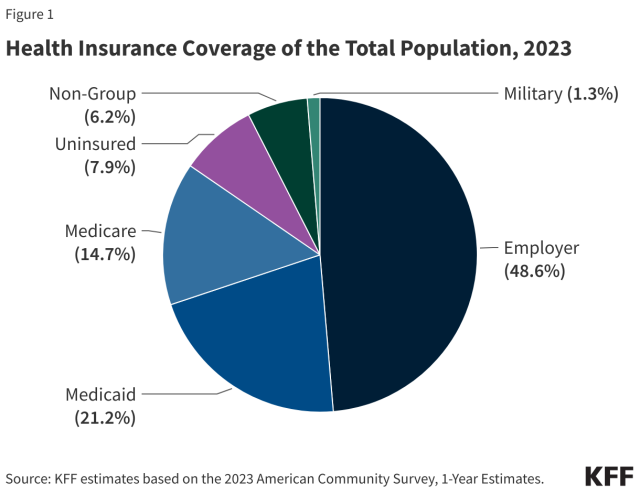
American families obtain their healthcare coverage from a few different sources:
- 48.6% receive coverage through an employer sponsored health plan.
- 21.2% receive health coverage through Medicaid
- 14.7% receive coverage through Medicare
- 1.3% receive coverage through the VA
- 6.2% receive coverage through non-group insurance including the ACA marketplace
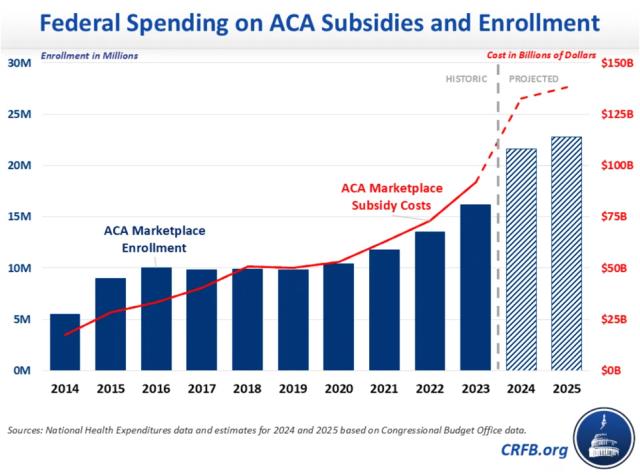
From 2014-2025, healthcare premiums for Americans families increased dramatically. Too many families are struggling to afford insurance.
I Want to Hear From You:
As costs for families have increased, government spending to subsidize healthcare costs has also increased.
It is imperative that we look for ways to maintain high quality healthcare while reducing costs costs.
We must also protect and preserve important programs like Social Security and Medicare to ensure seniors receive the benefits they've earned.
To help address rising healthcare costs, the House passed the Lower Health Care Premiums for All Americans Act. This bill tackles rising healthcare costs by supporting transparency, lowering premiums, expanding coverage, and reforming drug pricing.
Lowers Premium Costs Through Cost-Sharing Reduction Payments
Provides funding to lower premiums for people on the ACA marketplace.
These reforms will:
- Lower premiums for families on the ACA marketplace by roughly 11%
- Reduce out-of-pocket costs such as deductibles and copays
Brings Transparency and Reduces Hidden Drug Costs
Creates new requirements for Pharmacy Benefit Managers (PBMs). PBMs are intermediaries who negotiate drug pricing between drug companies and pharmacies.
These reforms will:
- Create drug pricing transparency
- Reduce prescription drug costs
- Provide visibility into costs that raise premiums
Expand Choices for Small Employers and Workers
This bill expands Association Health Plans (AHPs). AHPs allow small employers and self-employed individuals to group together to purchase insurance.
These plans would reduce health insurance costs by increasing access to affordable insurance for small employers and their employees. These changes would also allow self-employed individuals to participate in AHPs.
These reforms will:
- Give 3.7 million more Americans access to employer-sponsored healthcare
- Cover 400,000 previously uninsured individuals
Expands Coverage Choices and Strengthens Employer Flexibility
Allows workers to use tax-free employer contributions to purchase the health plan that works best for them.
These reforms will:
- Provide workers with flexible, portable coverage options
- Protect small employers’ ability to offer affordable, customizable benefit plans
- Enable workers to directly purchase health insurance with tax-free accounts
Making Housing More Affordable
Housing costs continue to rise, putting homeownership out of reach for many Wisconsin families. From January 2017 to October 2025, the median price of a home in Wisconsin increased from $179,900 to $389,450. That is an increase of more than 117% in eight years.
Some important drivers of high housing prices include a lack of supply and workforce needs. America needs roughly 6 million more homes to meet housing demands.
Government regulations are also driving up costs. I introduced the Accelerating Home Building Act, with Congresswoman Janelle Bynum (OR-05) to reduce red tape, lower design costs, streamline approval timelines, increase affordability, and accelerate construction.

On Wednesday, this legislation passed out of the House Financial Services Committee as part of the Housing for the 21st Century Act. This bill passed by a vote of 50-1.
This bill also boosts housing supply by modernizing standards, cuts red tape to reduce the costs of manufactured homes by approximately $3,000, and update federal permitting to ensure that projects without environmental impacts do not need to undergo extra environmental permitting reviews.
I discussed the importance of this legislation and how this approach reduces delays and lowers overhead costs, saving time and money for homebuyers. Click here to watch.
I look forward to seeing this bill receive a vote on the floor of the House. To learn more about the work I am doing to make housing more affordable, click here.
Energy Affordability
Since 2022, energy prices have increased faster than the rate of inflation. This year, the U.S. Energy Information Administration predicts that energy prices will be roughly 11% higher than in 2022. This increase has a real impact on family budgets.
Under the previous administration, burdensome regulations were put in place to restrict domestic energy production. Government regulations contributed to the estimated $2,400 increase in annual energy costs for working families.
This week, the House passed legislation to unleash American energy and reform permitting delays.
On average it takes 4.5 years for an energy project to obtain a federal permit. Currently, there is $1.1 to 1.5 trillion of infrastructure capital expenditure awaiting federal permitting. It's important to reform this process to deliver energy projects on time and decrease delays.
The House passed SPEED Act (H.R. 4776)this week to address energy affordability.
The SPEED Act unleashes domestic energy and mineral production by reforming the National Environmental Policy Act (NEPA). This legislation allows reliance on prior NEPA analyses, sets reasonable limits on litigation, and retains strong environmental protections. These reforms will help energy projects begin on time and finish on schedule, increasing production to make energy costs more affordable.
As always, feel free to contact my office if you have any questions, want to share an opinion, or are having trouble with a federal agency.
On Wisconsin,

Bryan Steil
Member of Congress
Click here to subscribe to my e-newsletter
|




![[ ]](https://iqconnect.house.gov/iqextranet/images/trick/checkbox.png "Click to respond")