As daylight hours wane and the calendar year wraps up, many farmers in Western North Carolina let their fields begin to rest. This sacred time of year is filled with breaks from school, gathering loved ones together to share dishes passed down through the generations, taking a much needed rest (especially for farmers), and surviving the dark and cold of winter.
Catch your last chance to shop at Asheville City and North Asheville markets, this Saturday Dec. 20, before they close until the new year. West Asheville Tailgate Market will host their last market of 2025 on Dec. 23.
As we head into January, the first year-round markets to reopen for their winter market season are River Arts District and Weaverville on Wednesday, Jan. 7. Asheville City and North Asheville markets will reopen the following Saturday, Jan. 10. If you have a hankering for local produce before then, the Farmers Truck Shed #1 at WNC Farmers Market is designated for farmers who sell only what they grow.
Looking for produce to stock up on that will last you at least until markets reopen? Pick up some root crops like carrots, beets, turnips, parsnips, or radishes. Remove their greens, don’t wash them until you're ready to use them, and put them in a plastic bag. Place them in the coldest part of your fridge and you might be surprised to find they can last up to three to four weeks (or even longer).
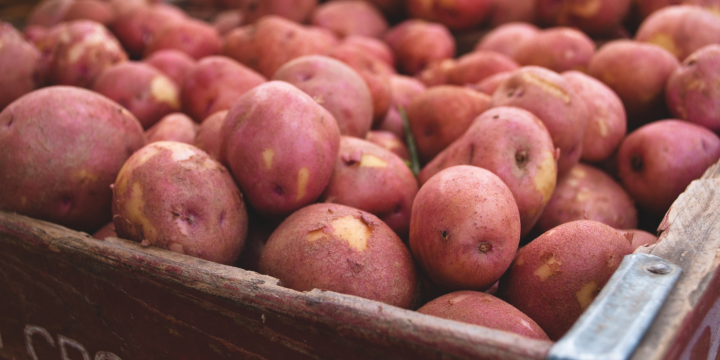
Don’t have a root cellar but want to store some potatoes? Keep them out of the fridge and away from onions and apples (that release strong ripening gases called ethylene). Place them in the coolest spot in your home, out of sunlight, and in a produce bag or well ventilated container. Check on them regularly and remove any soft or rotting potatoes so as to not spoil the bunch.
Butternut and acorn are great winter squash varieties for storing due to their particularly thick skin. Look for ones without any bruises or cuts to improve their storage longevity, or eat those first. Store them in a cool and dry place.
Preserve cabbages by storing them similarly to carrots, but adding a damp paper towel to a plastic bag that can ventilate . You can also transform cabbage into ferments like sauerkraut and kimchi that will last in your fridge for months and build your winter immunity!
Find more details about farms and markets throughout the region, including hours and location, in ASAP’s online Local Food Guide at appalachiangrown.org.
|
|
|
ASAP's mission is to help local farms thrive, link farmers to markets and supporters, and build healthy communities through connections to local food.
|
|
|
|
|
Love this newsletter and the work we do to support farmers, farmers markets, farm to school initiatives, and more?
ASAP is working to fix our food system. We want you to feel close to the farmers in our community and hear their stories, feel good because you’re eating the healthful food they produce, and feel proud because your dollars are invested in the local economy.
We couldn’t do this work with you. Consider an end-of-year donation so that we can keep doing this work of strengthening farms, uplifting local food, and further building healthy communities.
Donate today at asapconnections.org.
|
|
|
|
|