|
Dec. 18, 2025
Stay informed! Here’s a summary of upcoming wildlife and habitat management activities and ways you can discover, explore and experience Minnesota’s outdoors.
Watching wildlife this winter
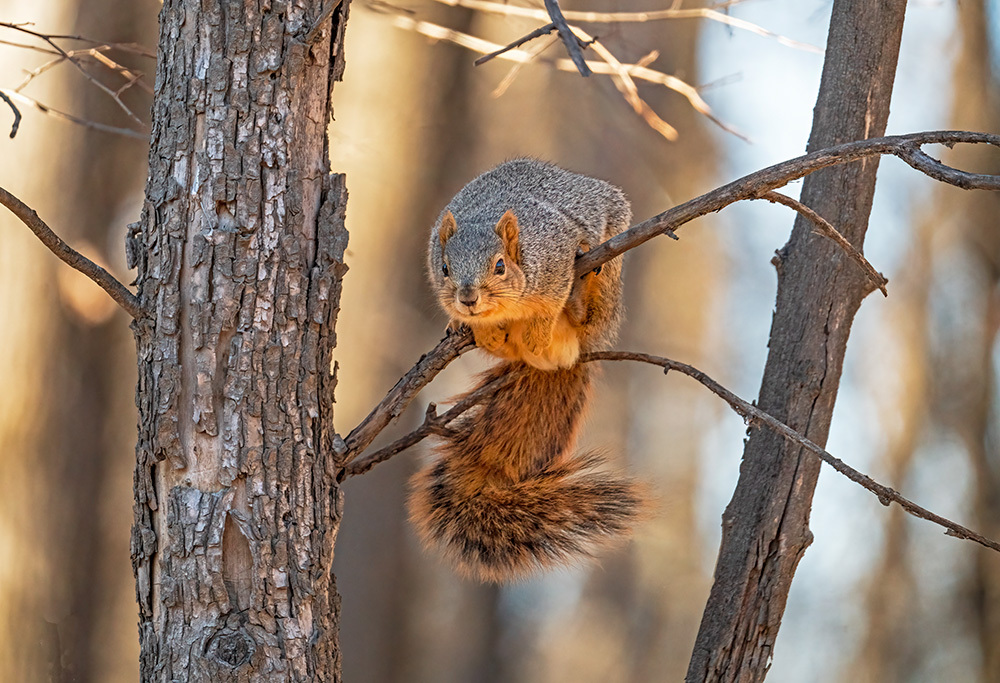 “Chunky squirrel ready for winter” courtesy of Dave Riewe
Want to get outdoors more this winter? Wildlife watching may be one great way to do just that. We have a webpage devoted to wildlife watching including tips, what to look for in each season and places that you can explore. We also have a DNR webinar on birding called Birding 101.
And while the weather can be cold, there’s something satisfying about getting the layers just right for your body and staying warm in cold weather. We’ve got a whole DNR webinar just about dressing for the outdoors — check it out!
Ways to continue hunting into the new year
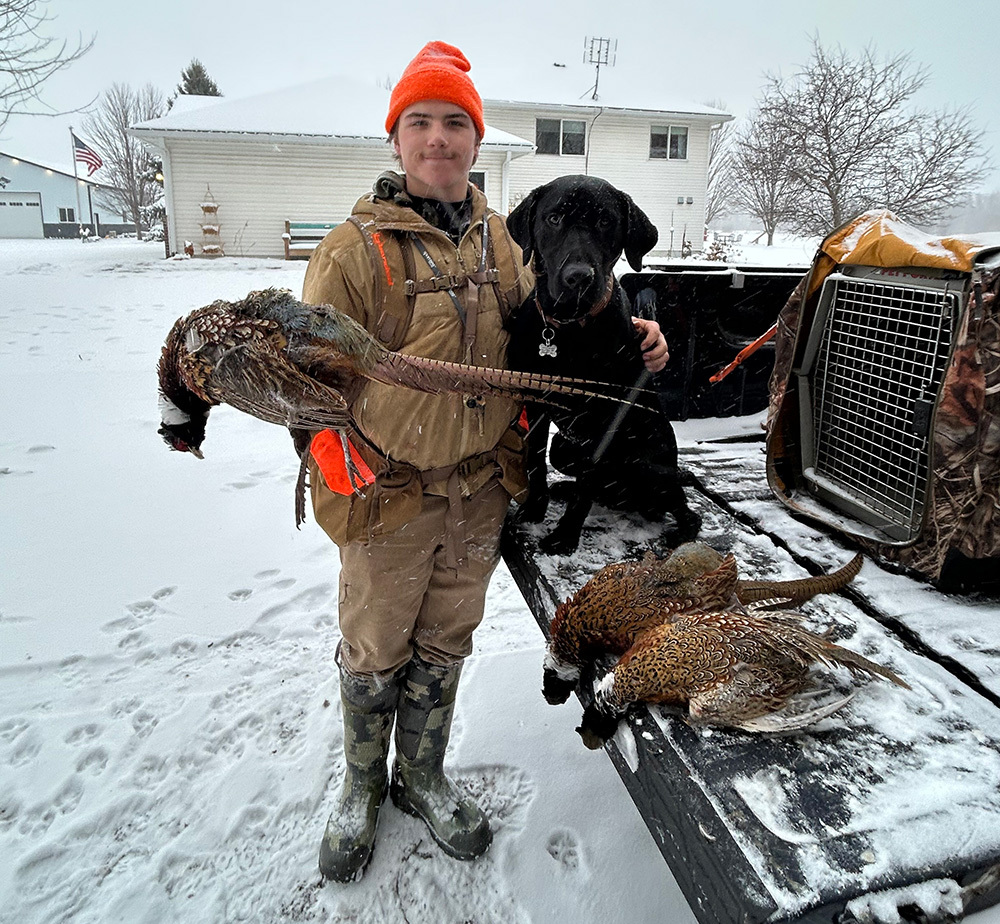 “My son, Logan, and I had a great day chasing pheasants with his new pup, Lewie (13 months). All the patience, time and training are paying off.” Photo and story courtesy of Paul Kirby.
For hunters, opportunities to pursue small game continue into the new year.
- Pheasant hunting season goes through Jan. 4, 2026. The bag limit is three roosters, with a possession limit of nine.
- Grouse hunting is also open through Jan. 4, 2026. Hunters might find success during the “golden hour,” which is the last hour before sunset. Grouse will be moving from their snow roosts to feed.
- Squirrel and rabbit season continues until Feb. 28, 2026. Squirrels will be especially active thanks to the winter squirrel rut, one of their two annual breeding seasons. Male squirrels are not as cautious at this point in the season.
- Rabbits require an active style of hunting that’s sure to work up a sweat despite the temperature. Sign will be easy to spot thanks to snow, but the same can’t be said for snowshoe hares and jackrabbits in their white winter coats!
Learn more about hunting tips and tricks for pheasants, grouse, squirrels and rabbits by searching for each in the archive of our recorded webinars.
Ruffed grouse diets and habitat
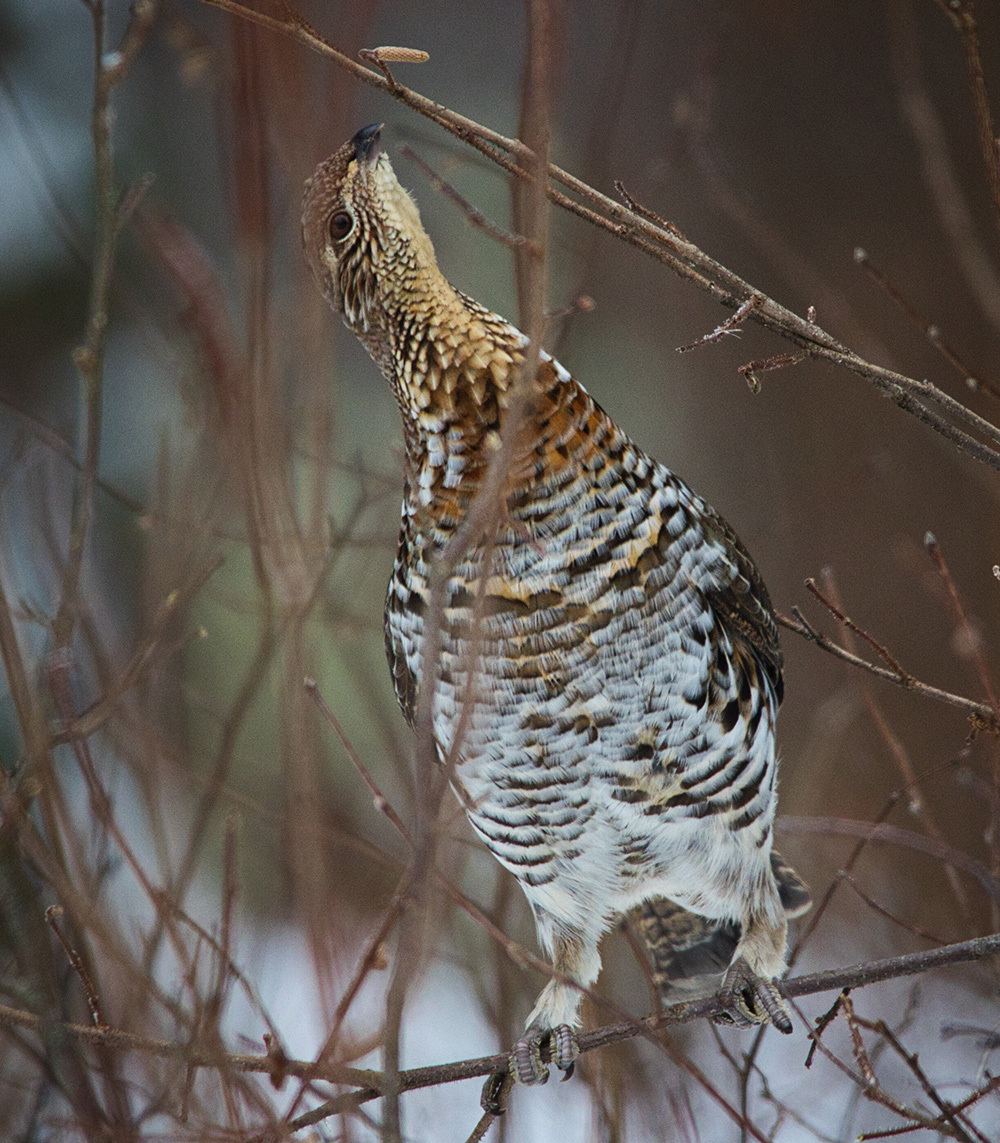 Courtesy of Alyssa Sheffield
For a ruffed grouse, tree buds are a buffet! A ruffed grouse lives most of its life within just a few acres. Young to middle-aged aspen forests provide excellent food and cover. These birds favor the buds and twigs of aspen but also eat the fruits of dogwood, mountain ash, thornapple, and other shrubs and trees.
During winter, ruffed grouse spend nearly all of their time in snow burrows to stay warm and avoid predators. Ever spooked a grouse from a snow burrow? It can be quite the surprise! Learn more about ruffed grouse on the DNR website.
Late-season CWD management hunt is Dec. 19-21 in select areas
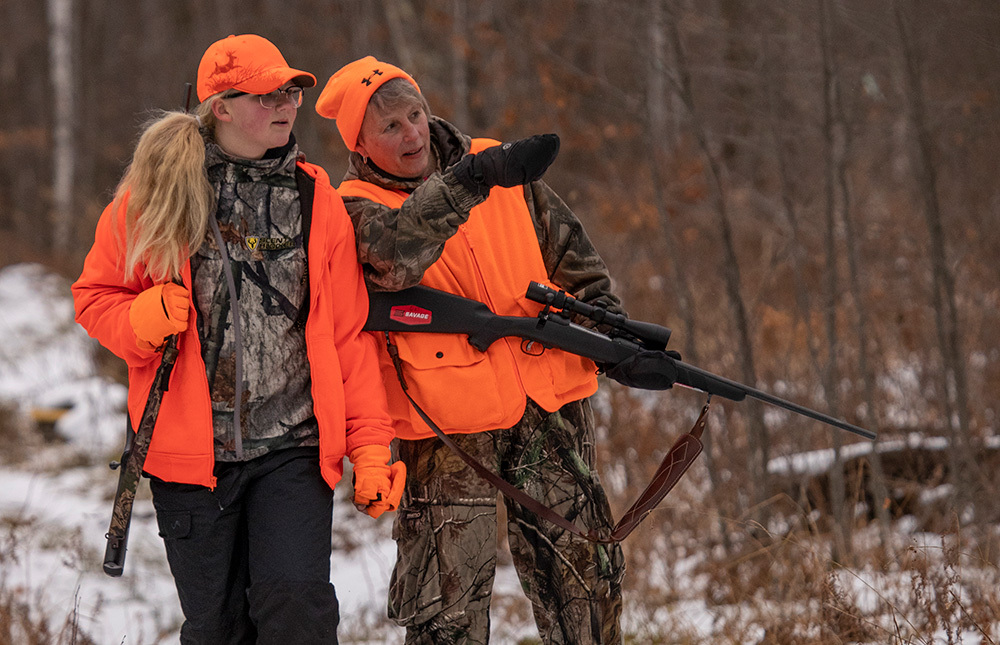 Deer hunters can participate in a late-season CWD management hunt Friday, Dec. 19, through Sunday, Dec. 21. Deer permit areas open to this CWD management hunt are 605, 642, 643, 645, 646, 647, 648 and 649.
CWD testing is voluntary for this year’s late CWD hunt. Hunters who would like to get their deer tested for CWD can use a self-service station, the partner sampling program, or hunter mail-in kits. Hunters can also make an appointment at a DNR wildlife office. This year, there will not be any in-person, staffed check stations available during the CWD management hunt dates.
While CWD testing is voluntary, carcass movement restrictions remain in effect for all the DPAs included in the late CWD hunt. More information on licenses and permits, bag limits, voluntary CWD sampling, and other important information is available on the late-season CWD hunt webpage.
Deer Tales: three generations out hunting
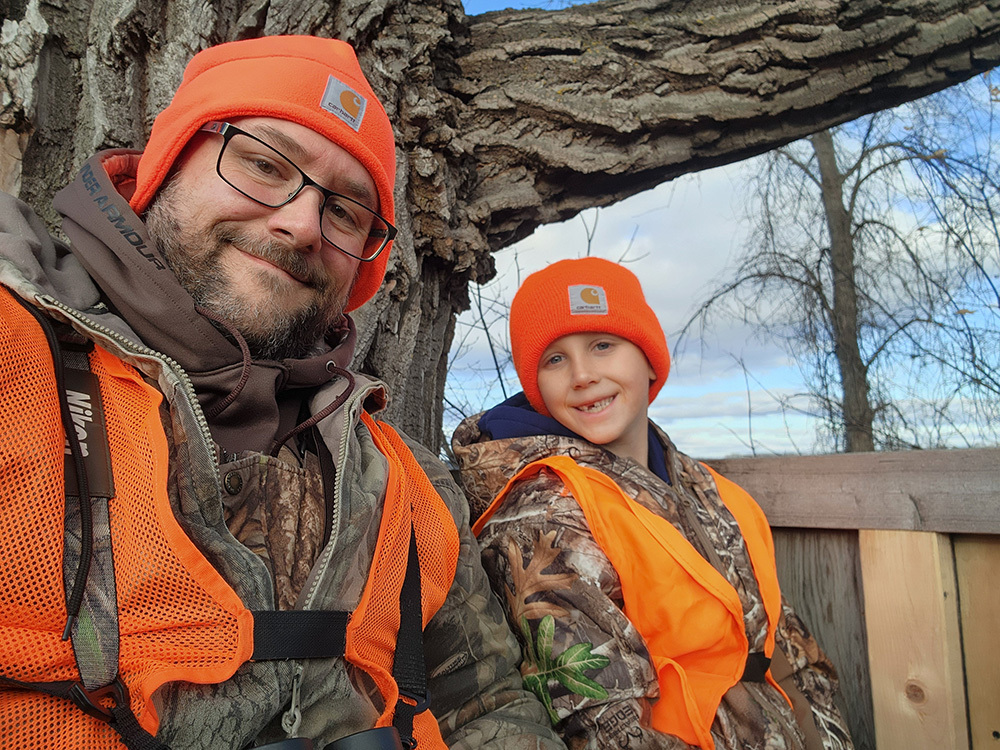 Story and photo courtesy of Kris Duenow
This year was the first year my son was able to sit in the tree stand with me. He even got to sit with his grandpa one night. It was fun to have three generations in the woods at the same time.
Do you have a story to share? Take a minute to share your story and a photo from the hunt using the Deer Tales form. Stories will have the chance to be featured on the DNR website, social media, emails and more.
Update on the elk life history project
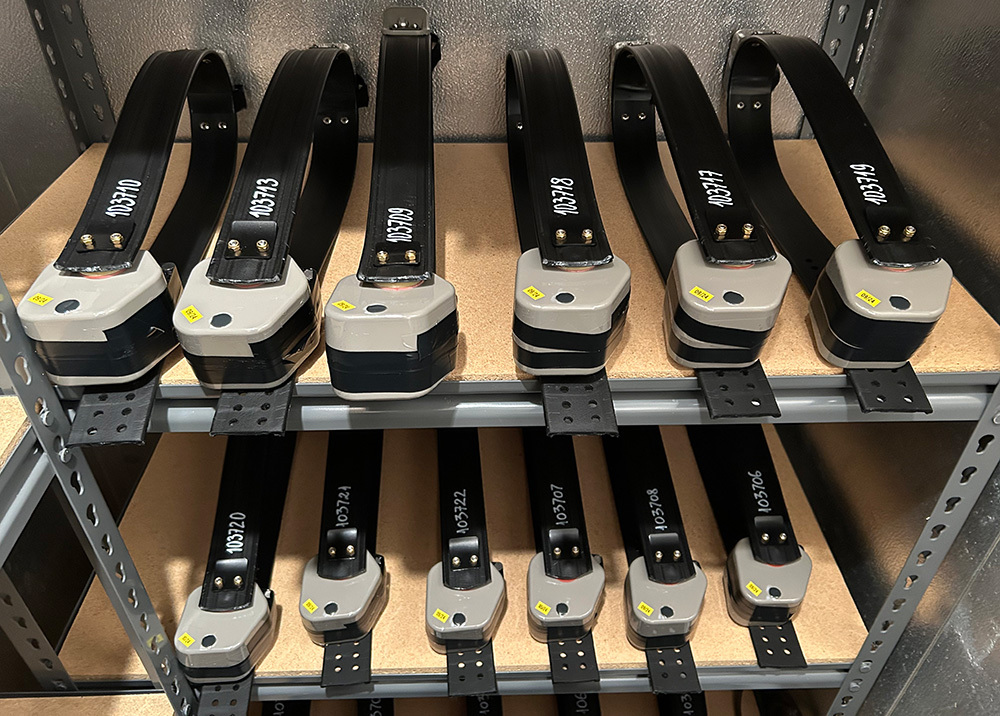 These GPS collars have been programmed and tested, and are ready to be deployed on elk starting in January in northwest Minnesota.
What are we doing?
This winter a team of scientists, biologists and wildlife managers from the Minnesota DNR, Red Lake Nation and Fond du Lac Band of Lake Superior Chippewa will gather in far northwest Minnesota with a collective goal — to put GPS collars on up to 25 cow and 15 bull elk. These collars will record locations of elk every 3 hours and transmit locations via satellite to the research team on a daily basis for the next 4 years. Pregnant cows will also be outfitted with specialized transmitters that will send an alert to the team when they’ve given birth. This will allow the team to quickly find the newborn calves so they can also be collared and tracked.
Why are we doing this?
Using GPS collars to track the locations of adults and calves will provide information on how elk in northwest Minnesota use the landscape, how that use changes depending on the time of year, food availability, and different life events such as calving and the rut. Locations from GPS collars will also provide information about when elk move between our different elk herds and how that might contribute to genetic diversity within our small elk population. The GPS collars also help the team gather vital information to help identify causes of death by sending a mortality alert after the collar has stopped moving for several hours. The mortality alert system helps the team find elk quickly after death and hopefully before scavengers or decomposition can impact evidence at the scene.
What else can we learn?
In addition to gathering information on how these elk live (and die), we will also use GPS collared animals to help improve how we count elk during our annual population estimates. Having known locations of collared animals while we fly our survey can help us understand how many elk we miss, and potentially in what conditions we miss them. For instance, we might miss more elk when they are in thick pine forest versus when they are in open prairie or shrubby areas. We can then build in “corrections” to our estimates that account for these unobserved animals.
We are excited to kick off this project, to meet our goals this winter of capturing and collaring 40 adult elk and then regrouping to start the planning process to do it all over again with 40 new elk in winter 2027!
Wildlife photo highlights
Do you have any hunting or wildlife photos you want to share? Consider uploading them using the DNR photo uploader. We use many of these photos in email newsletters, social media, our webpages or other communications. Here are some recent highlights!
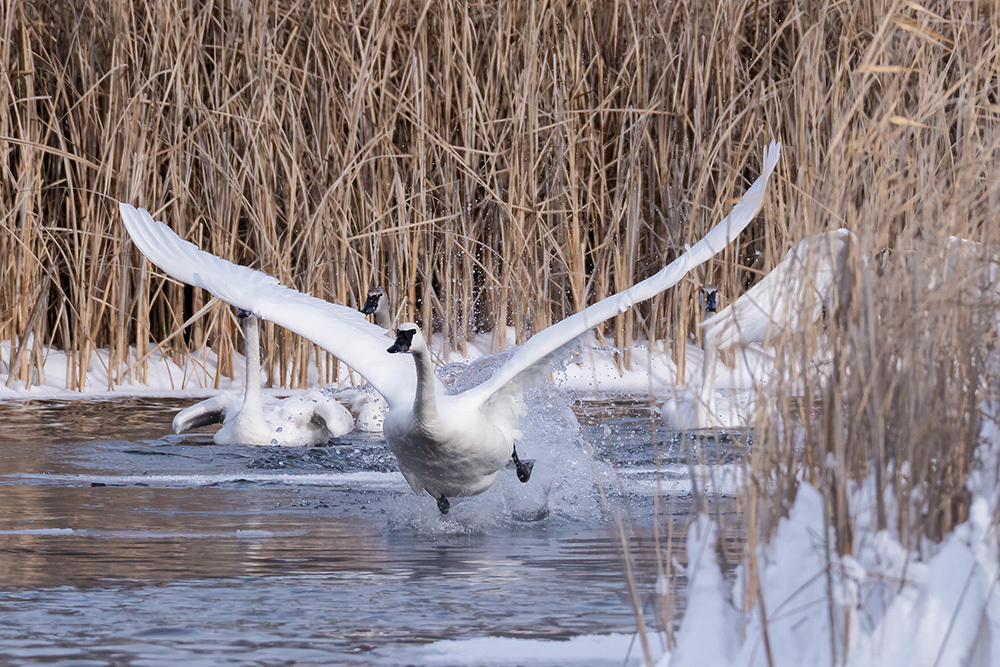 “Coming through” courtesy of Gregory Gerhart
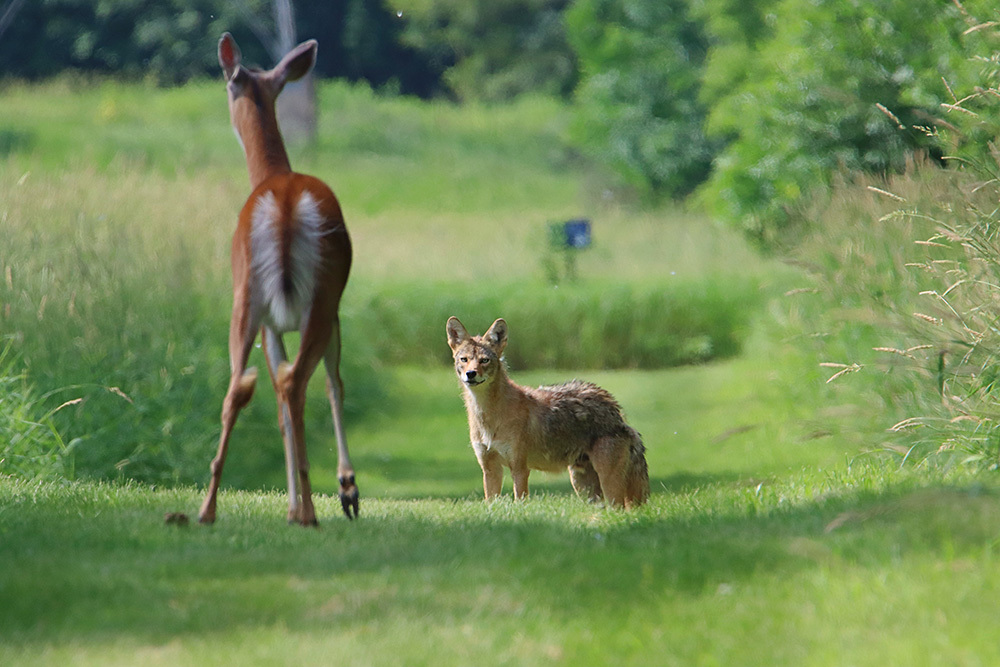 “Close encounter” courtesy of Nancy Jahnel
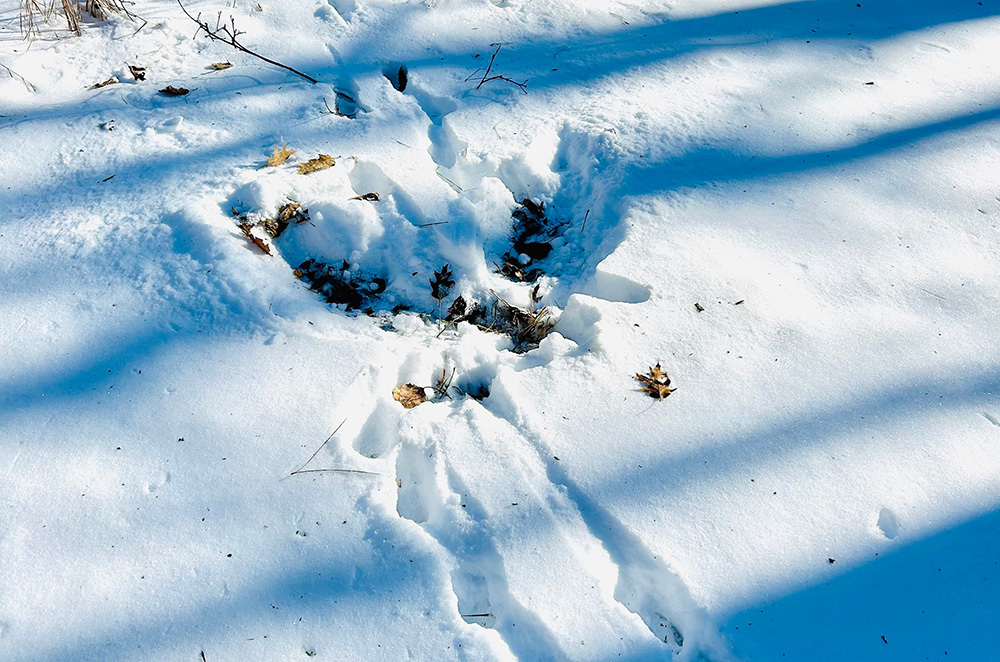 “Avian predator got a snack!” courtesy of Patty Ridley
|